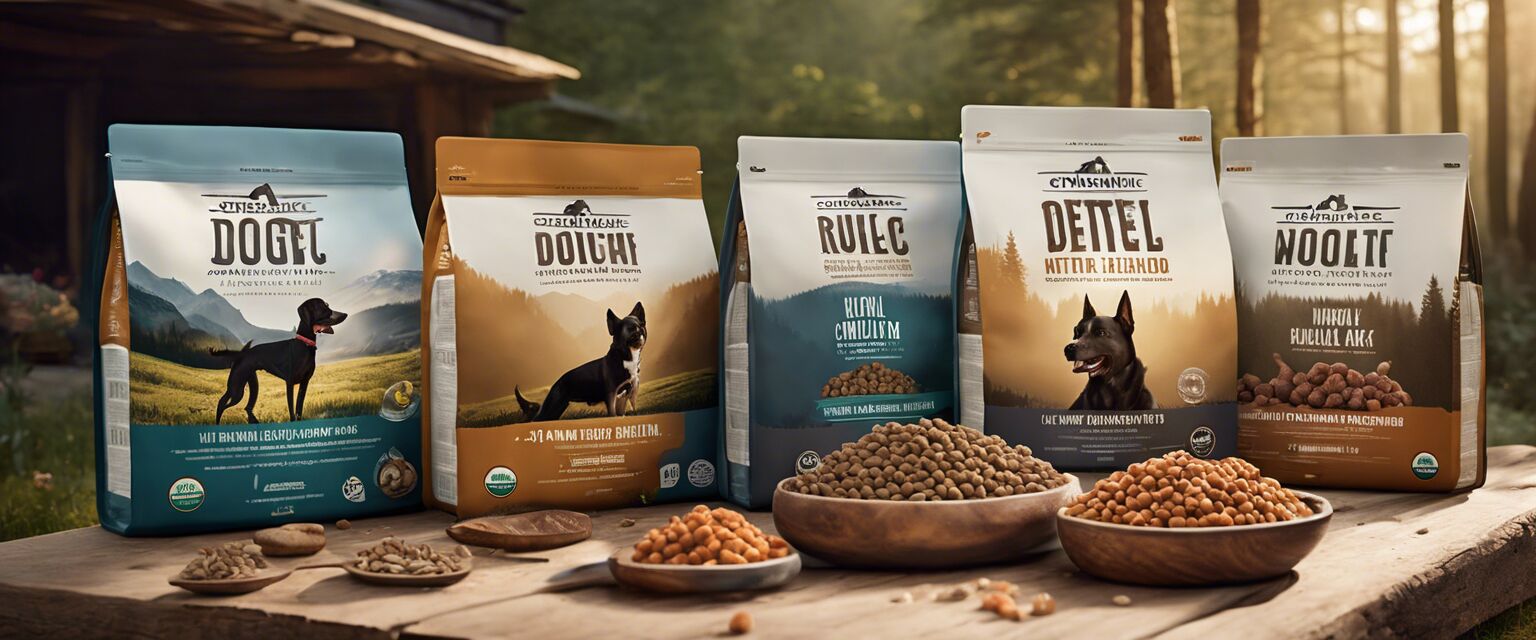
The Cost of Organic Dog Food
As a responsible dog owner, you want the best for your furry friend, and that includes feeding them high-quality, organic dog food. But have you ever wondered what drives the cost of organic dog food and whether it's worth the extra expense?
Key Takeaways
- Organic dog food can cost up to 50% more than conventional dog food
- The cost of organic ingredients, certifications, and manufacturing processes contribute to the higher price
- While expensive, organic dog food can provide long-term health benefits and cost savings
What Drives the Cost of Organic Dog Food?
Several factors contribute to the higher cost of organic dog food. Let's break them down:
| Factor | Conventional Dog Food | Organic Dog Food |
|---|---|---|
| Ingredients | Conventional farming practices, lower-quality ingredients | Organic farming practices, higher-quality ingredients |
| Certifications | No certifications required | USDA Organic certification, other certifications (e.g., Non-GMO) |
| Manufacturing | Mass-produced, lower-cost manufacturing processes | Smaller-batch, higher-cost manufacturing processes |
The Cost of Organic Ingredients
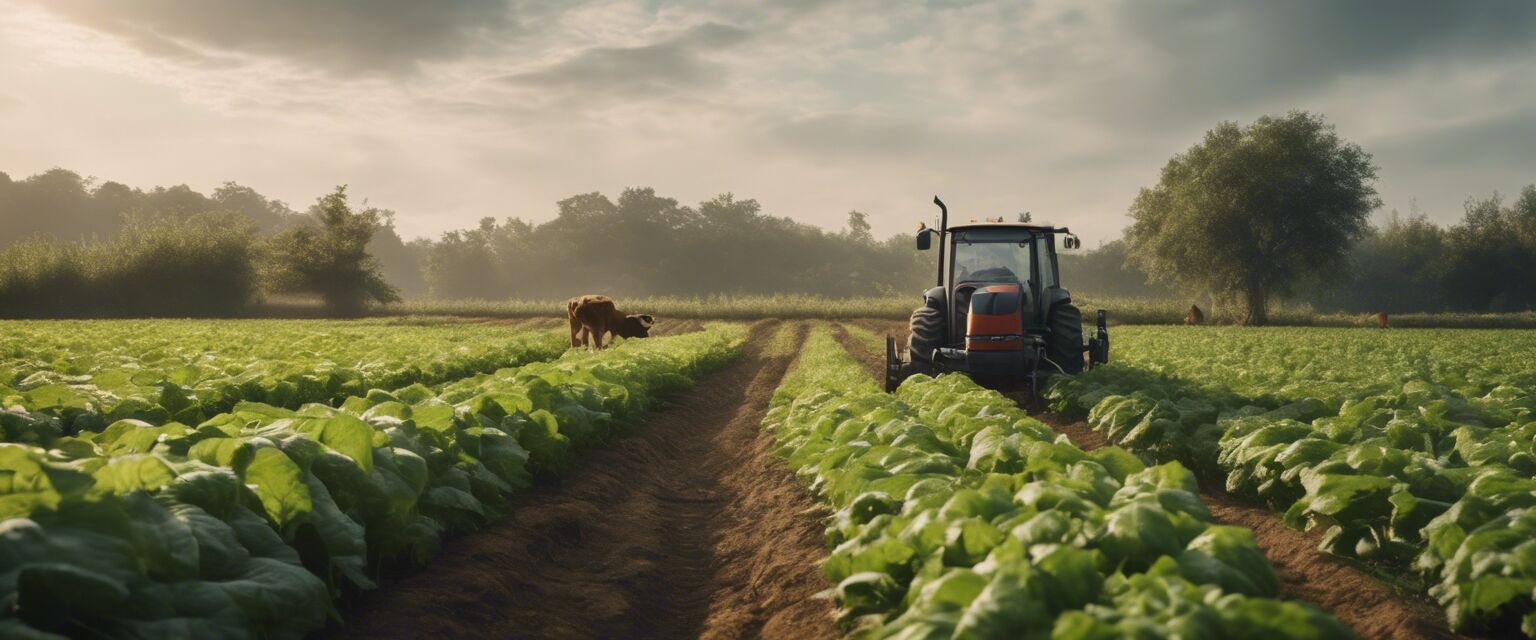
Organic ingredients are typically more expensive than their conventional counterparts. This is due to the higher cost of organic farming practices, which include:
- Using natural fertilizers and pest control methods
- Planting and harvesting crops in a more labor-intensive manner
- Higher-quality grains and protein sources
Certifications and Regulations
Organic dog food manufacturers must adhere to strict regulations and obtain certifications, such as the USDA Organic label. These certifications ensure that the product meets certain standards, but they also add to the cost:
- Inspection and certification fees
- Higher costs for record-keeping and documentation
- Stricter manufacturing and quality control processes
Is the Cost of Organic Dog Food Worth It?
While organic dog food can be expensive, it may provide long-term health benefits and cost savings. Consider the following:
- Reduced vet bills due to a healthier diet
- Less waste and more efficient digestion
- A longer lifespan for your dog
Additionally, some organic dog food brands offer grain-free or hypoallergenic options, which can be beneficial for dogs with specific dietary needs.

Conclusion
While the cost of organic dog food may seem daunting, it's essential to consider the long-term benefits and cost savings. By understanding the factors that drive the cost of organic dog food, you can make an informed decision about what's best for your furry friend.
Beginners Section
New to organic dog food? Start by exploring our all-natural dog treats and raw dog food options.
Pros
- Higher-quality ingredients
- Stricter manufacturing and quality control processes
- Long-term health benefits and cost savings
Cons
- Higher cost compared to conventional dog food
- Stricter regulations and certifications may limit availability