Ingredients to look for in organic dog food
Key Takeaways
- Organic dog food should contain high-quality protein sources.
- Fruits and vegetables are essential for a balanced diet.
- Avoid artificial additives and preservatives.
- Whole grains can be beneficial for energy.
- Consult with a vet to tailor your dog's diet according to its needs.
Choosing the right food for your furry friend is crucial for their overall health and well-being. Organic dog food can be a great choice, but not all products are created equal. Understanding the right ingredients to look for can make a significant difference in your dogâs diet. This guide will break down the essential components of quality organic dog food and help you make informed decisions.
What is organic dog food?
Organic dog food is made from ingredients that are grown without artificial fertilizers or pesticides. The proteins, grains, and vegetables used are cultivated through sustainable practices, ensuring a healthier option for your dog.
Essential ingredients to consider
| Ingredient | Benefit |
|---|---|
| High-quality protein | Provides necessary amino acids for muscle maintenance and repair. |
| Whole grains | Offer energy and are a source of essential nutrients and fiber. |
| Fruits and vegetables | Rich in vitamins, minerals, and antioxidants. |
| Healthy fats | Support skin and coat health, brain function, and energy absorption. |
| Probiotics | Promote digestive health and improve gut flora. |
Understanding proteins
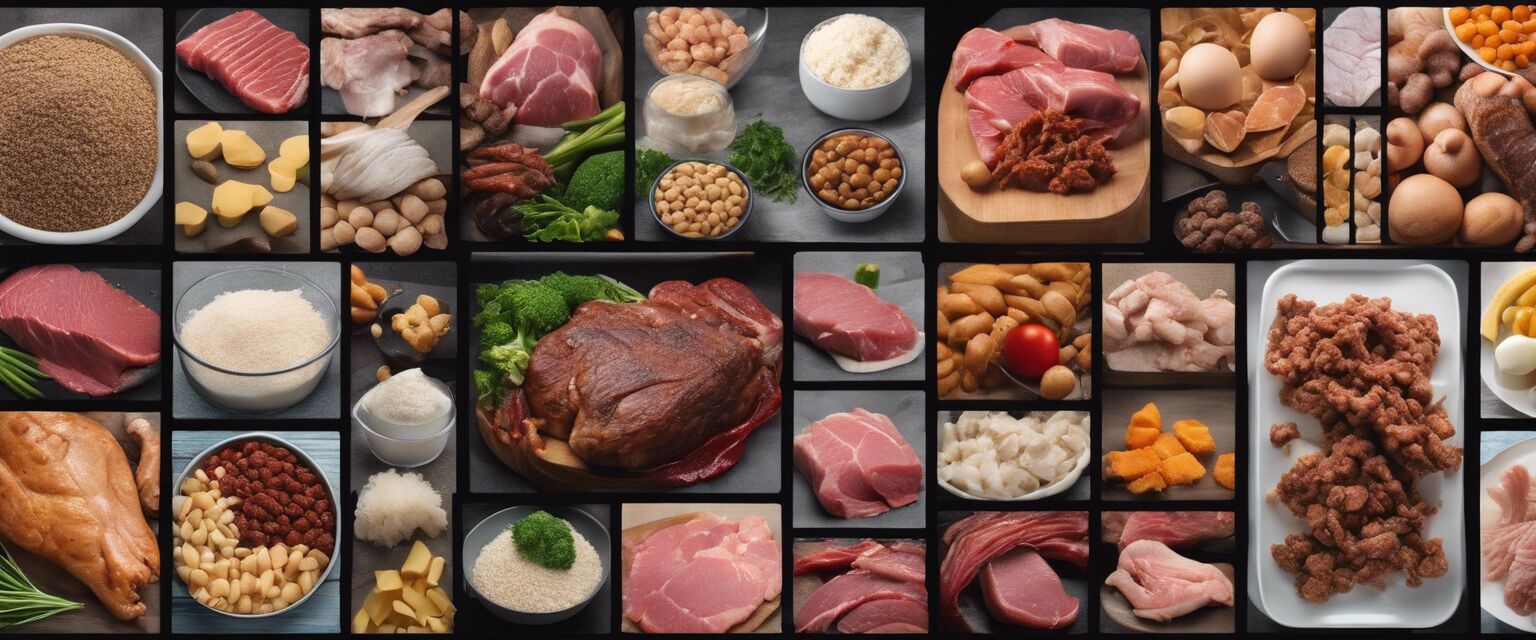
Proteins are fundamental for your dog's survival and quality of life. When selecting organic dog food, look for products that list high-quality meat as the primary ingredient. Here are some common sources of protein:
- Chicken
- Beef
- Fish
- Turkey
- Lamb
Whole grains vs. grain-free options
Some dog food brands advertise grain-free recipes. While grains can energize your dog, they can also be allergens. Itâs essential to know your dog's needs. Here are some healthy whole grains you may find:
- Brown rice
- Oats
- Quinoa
- Barley
If you want to explore various types of dog food for different needs, check out our specialized pages:
The role of fruits and vegetables
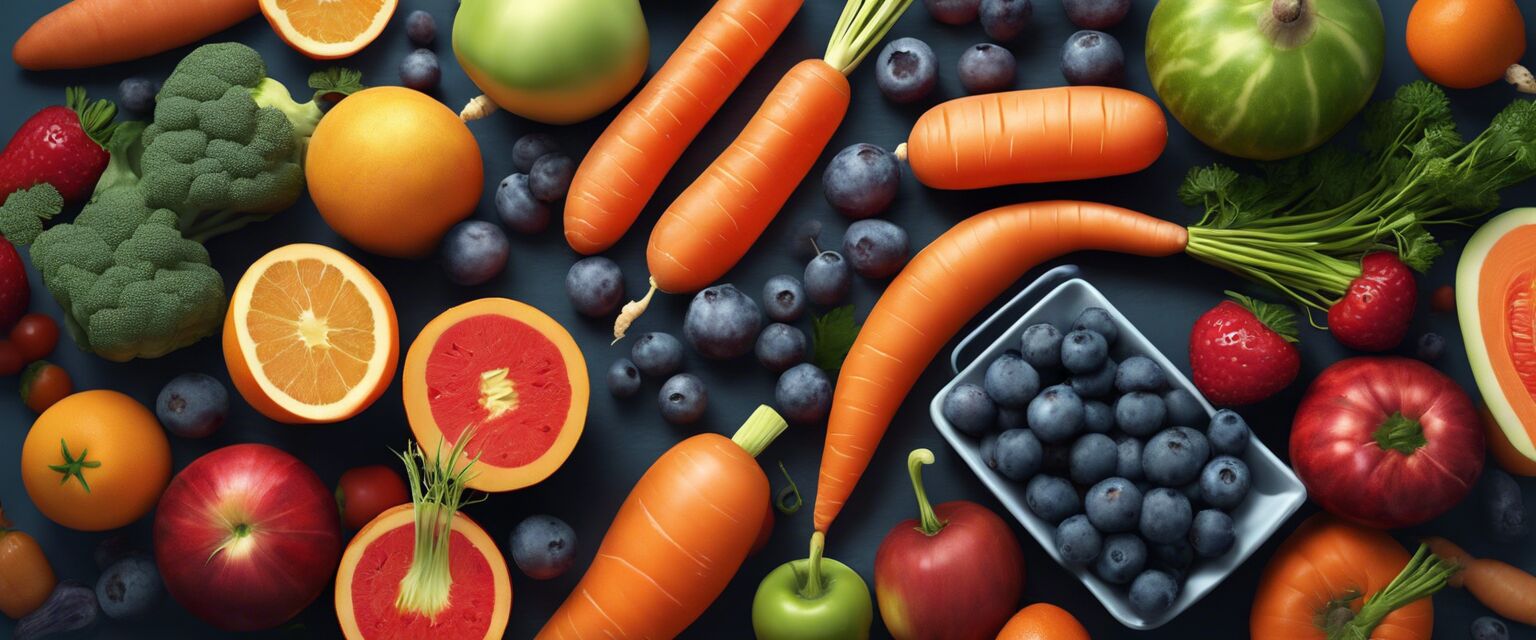
Fruits and vegetables are packed with vitamins and antioxidants that benefit your dog's health. When reviewing organic dog food, look for ingredients such as:
- Carrots
- Blueberries
- Spinach
- Sweet potatoes
- Pumpkin
Avoid harmful additives
One of the key advantages of organic dog food is the absence of artificial additives. When reading labels, ensure that the food does not contain:
- Artificial colors and flavors
- Preservatives like BHA and BHT
- By-products
- Fillers like corn and soy
Conclusion
Choosing the right organic dog food requires attention to the ingredients listed on the label. Prioritize high-quality protein, whole grains, and a variety of fruits and vegetables while steering clear of harmful additives. Always feel free to consult your veterinarian to find the best dietary solution tailored to your dog's specific needs.
Tips for selecting organic dog food
- Read the label carefully to understand the ingredient list.
- Look for certifications indicating organic standards.
- Research brand reputations and customer reviews.
- Introduce any new food gradually to avoid digestive issues.
Pros
- High-quality ingredients promote better health.
- Reduced exposure to harmful substances and additives.
- Supports sustainable farming practices.
- Customizable options for different dietary needs.
Cons
- Can be more expensive than conventional dog food.
- Availability may be limited in some regions.
- Some dogs may not prefer the taste or texture.