Organic Dog Food vs. Regular Dog Food
Key Takeaways
- Organic dog food is made from ingredients that are grown without synthetic pesticides or fertilizers.
- Regular dog food often contains artificial additives and lower quality ingredients.
- Choosing organic can lead to better health outcomes for some dogs.
- Price, availability, and brand reputation can influence the choice between organic and regular dog food.
When it comes to our furry friends, nutrition is a top priority. Hence, understanding the difference between organic and regular dog food is crucial. In this article, we'll break down the key differences, benefits, and considerations, enabling you to make an informed decision about your dog's diet.
What is Organic Dog Food?
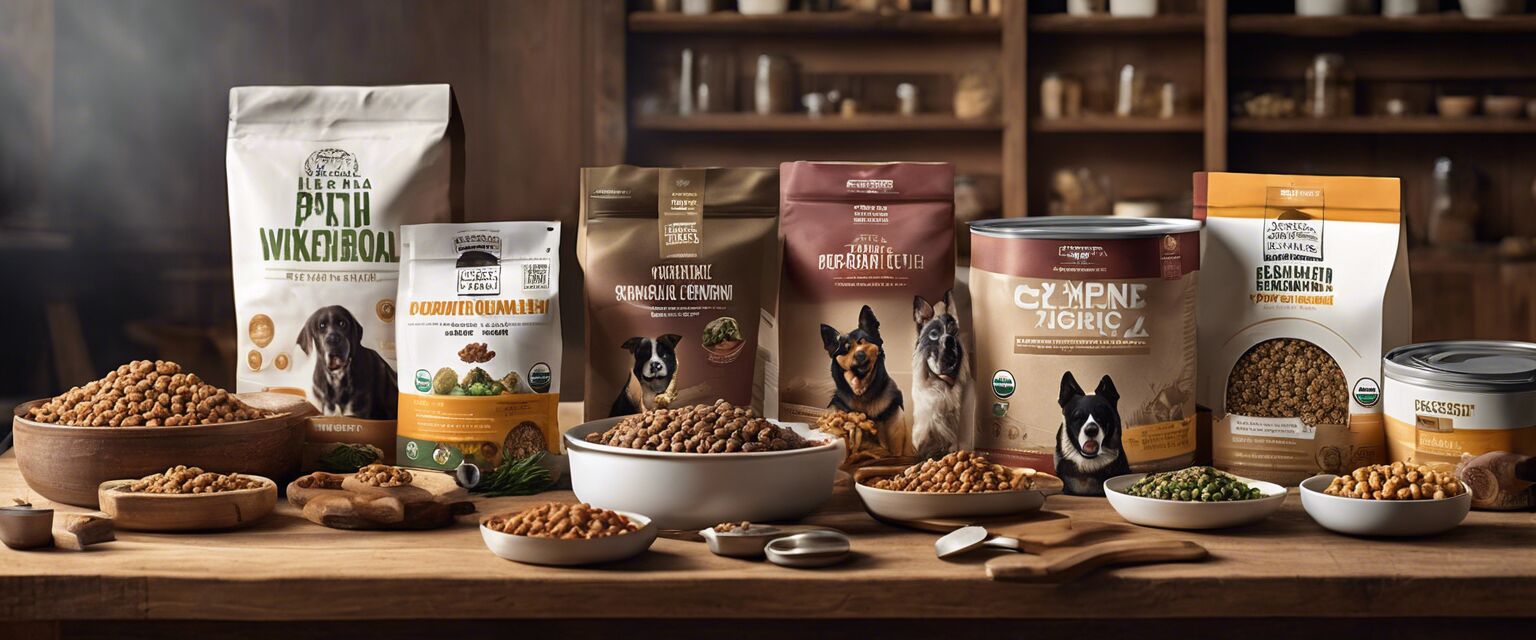
Organic dog food is crafted from ingredients that adhere to strict farming regulations. These regulations prohibit the use of synthetic fertilizers, herbicides, and pesticides. As a result, organic dog food promises a higher quality of ingredients.
Ingredients in Organic Dog Food
| Ingredient Type | Description |
|---|---|
| Meat | Raised without antibiotics or growth hormones |
| Fruits and Vegetables | Grown without chemical pesticides |
| Grains | Whole grains, often gluten-free options |
What is Regular Dog Food?
Regular dog food is commonly made with ingredients that may include synthetic additives and lower quality components. These food products often contain by-products and meals that might not meet the nutritional standards of organic foods.
Typical Ingredients in Regular Dog Food
| Ingredient Type | Description |
|---|---|
| Meat | Can include meat by-products |
| Fillers | May contain corn, wheat, and soy |
| Additives | Artificial colors and preservatives |
Comparative Overview
| Features | Organic Dog Food | Regular Dog Food |
|---|---|---|
| Ingredient Quality | High-quality, certified organic ingredients | Variable quality, includes by-products |
| Price | Generally more expensive | More budget-friendly |
| Health Considerations | Potentially better for dogs with sensitivities | May pose risks with lower-quality ingredients |
What Should You Consider?
Choosing the right dog food often involves considering various factors:
- Age and health of your dog.
- Budget and availability of products.
- Your dog's specific dietary needs.
- Brand reputation and ingredient sourcing.
Pros and Cons
Pros
- Higher quality ingredients in organic dog food.
- Fewer artificial additives in organic options.
- Potentially reduced allergens for sensitive dogs.
Cons
- Organic dog food can be more expensive.
- Availability may be limited compared to regular options.
- Some dogs may not enjoy the taste of organic food.
How to Make the Best Choice
Ultimately, the decision between organic and regular dog food comes down to the needs of your dog and your personal preferences as a pet owner. Here are some tips to help you decide:
Beginner's Tips for Choosing Dog Food
- Start by consulting with your veterinarian for specific dietary recommendations.
- Look for certification labels on organic products to ensure quality.
- Consider your dog's lifestyle and activity level when making a choice.
- Research brands and read reviews for additional guidance.
Conclusion
In conclusion, both organic and regular dog food have their pros and cons. Understanding the differences can help you make a choice that best fits your pet's nutritional needs and your values as a pet owner. Whether you opt for organic or stick with regular, a well-rounded diet is key to your dog's well-being.