How to Transition to Organic Dog Food
Are you considering switching your furry friend to organic dog food? Making the transition can be a bit daunting, but with the right guidance, you can ensure a smooth and healthy change for your dog. In this article, we'll walk you through a step-by-step guide on how to transition your dog to organic food.
Key Takeaways
- Gradually introduce organic dog food into your dog's diet over 7-10 days
- Start with a small amount (25%) and increase gradually
- Monitor your dog's behavior, stool quality, and overall health
- Choose a high-quality organic dog food that meets your dog's nutritional needs
Why Switch to Organic Dog Food?
Organic dog food offers numerous benefits for your dog's health and well-being. It's made from natural, non-GMO ingredients, and is free from artificial preservatives, additives, and pesticides. By switching to organic dog food, you can:
- Improve your dog's digestion and overall health
- Reduce the risk of allergies and sensitivities
- Support your dog's immune system
- Give your dog a shinier, healthier coat
Preparing for the Transition
Before starting the transition, it's essential to prepare your dog's digestive system. Here are some tips to get you started:
- Consult with your veterinarian to rule out any underlying health issues
- Choose a high-quality organic dog food that meets your dog's nutritional needs
- Stock up on the new food and have it ready for the transition period
The Transition Process
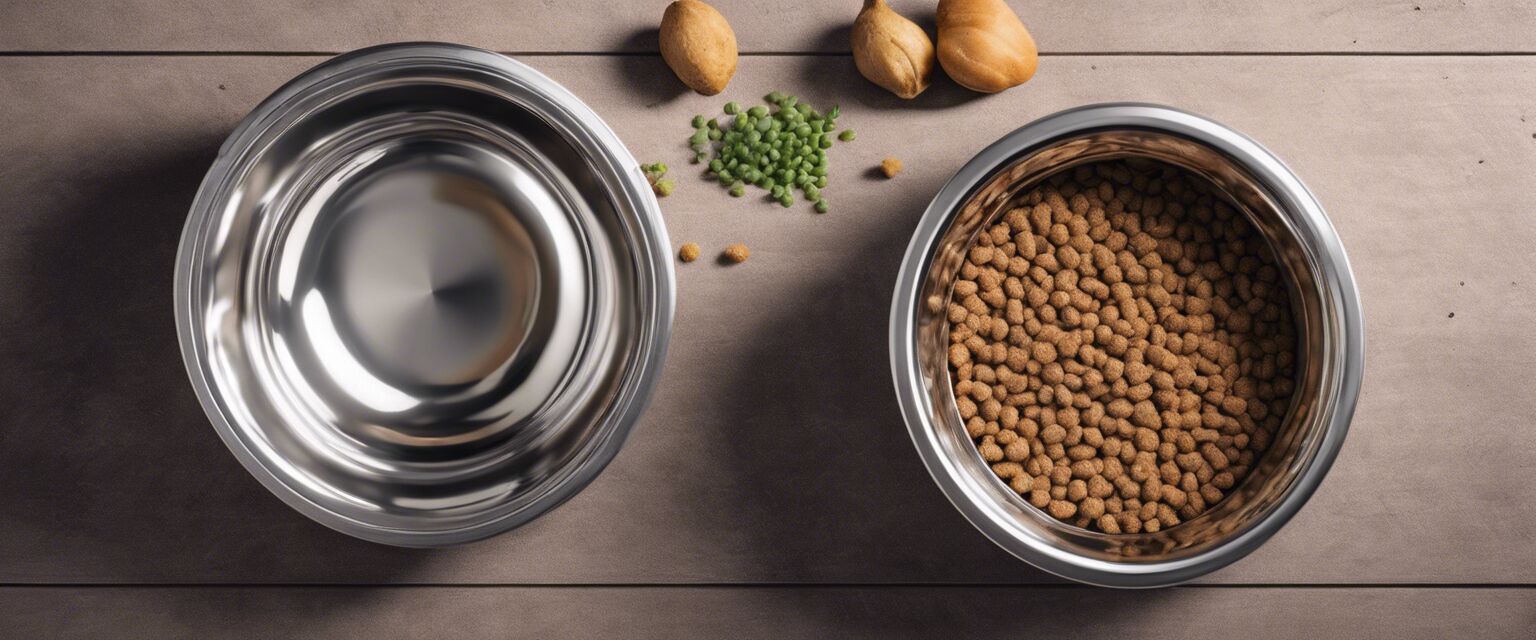
The transition process should be done gradually to prevent digestive upset. Here's a step-by-step guide to help you transition your dog to organic dog food:
| Day | Percentage of Organic Food | Percentage of Old Food |
|---|---|---|
| 1-2 | 25% | 75% |
| 3-4 | 50% | 50% |
| 5-6 | 75% | 25% |
| 7-10 | 100% | 0% |
Monitoring Your Dog's Progress
During the transition period, it's essential to monitor your dog's behavior, stool quality, and overall health. Here are some things to look out for:
- Changes in appetite or water intake
- Vomiting or diarrhea
- Changes in stool quality or frequency
- Increased energy or lethargy
Choosing the Right Organic Dog Food
With so many organic dog food options available, it can be overwhelming to choose the right one. Here are some tips to help you make an informed decision:
- Look for USDA-certified organic labels
- Choose a food that meets your dog's nutritional needs
- Read reviews and consult with your veterinarian
- Consider your dog's age, breed, and health conditions
Conclusion
Transitioning your dog to organic dog food can be a great decision for their health and well-being. By following these steps and tips, you can ensure a smooth and successful transition. Remember to always consult with your veterinarian if you have any concerns or questions.
Pros of Organic Dog Food
- Higher quality ingredients
- Less exposure to pesticides and additives
- Improved digestion and overall health
- Better coat health and shine
Cons of Organic Dog Food
- Higher cost compared to regular dog food
- Limited availability in some areas
- May require more frequent feeding
Resources
For more information on organic dog food and healthy nutrition for your dog, check out our resources below:
- Grain-Free Dog Food Options
- Hypoallergenic Dog Food Options
- Raw Dog Food Options
- Senior Dog Food Options
- Weight Management Dog Food Options