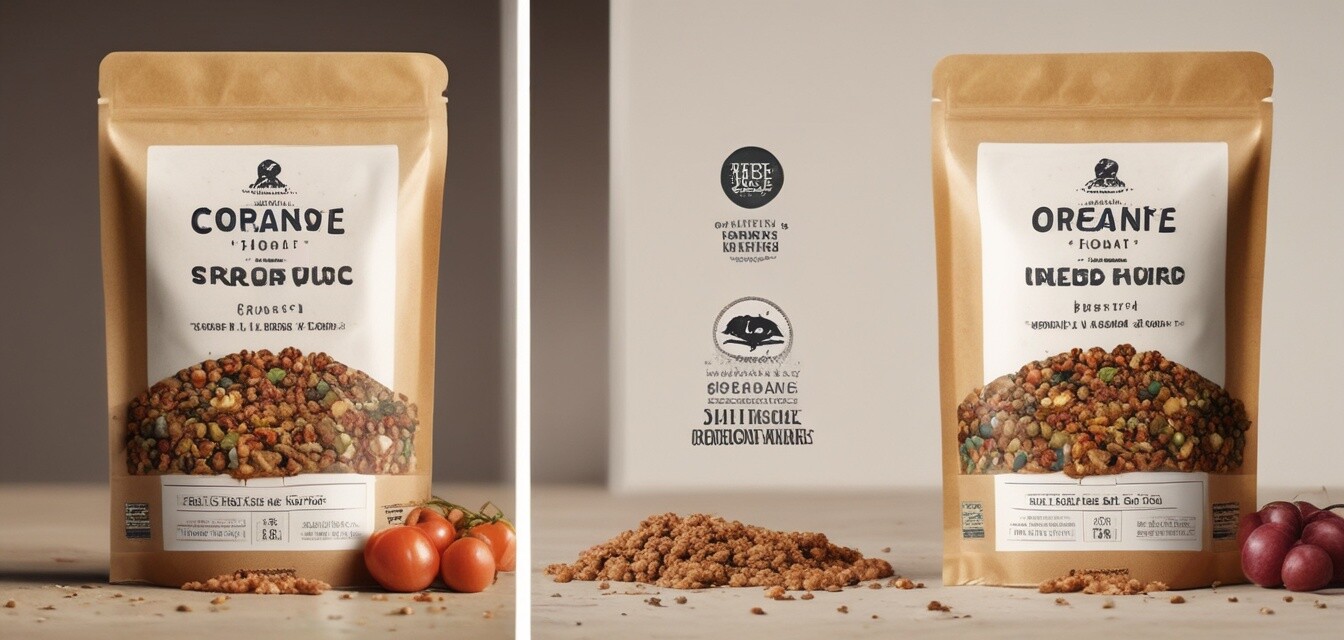
Comparing Commercial vs. Homemade Organic Dog Food
Choosing the right dog food can be a significant decision for pet owners. With the growing awareness of the benefits of organic nutrition, more dog owners are exploring both commercial and homemade organic dog food options. This guide will help you weigh the pros and cons of each to determine what’s best for your beloved pet.
Key Takeaways
- Both commercial and homemade organic dog foods have their pros and cons.
- Commercial organic dog foods usually have balanced nutrition and convenience.
- Homemade organic dog food allows for full control over ingredients.
- Consulting with a veterinarian is crucial before making dietary changes.
- Understanding your dog’s specific needs will guide your choice.
Understanding Organic Dog Food
Organic dog food is made from ingredients grown without synthetic fertilizers or pesticides, ensuring a higher quality of nutrition. This is true for both commercial and homemade options. Before diving deeper into the comparison, it’s essential to understand these terms:
- Commercial Organic Dog Food: Products that are produced by companies that adhere to strict organic standards.
- Homemade Organic Dog Food: Meals prepared at home using organic ingredients with complete control over what is included.
Pros and Cons of Commercial Organic Dog Food
Pros
- Convenience of ready-made meals.
- Designed to meet the nutritional needs of dogs.
- Regulated and certified, ensuring quality control.
- Often comes in different formulas for various dog sizes and life stages.
Cons
- Can be more expensive than homemade options.
- Some products might contain preservatives.
- Limited control over specific ingredients used.
Pros and Cons of Homemade Organic Dog Food
Pros
- Full control over the ingredients included.
- Ability to customize recipes for specific health needs.
- Potentially fresher and higher quality ingredients.
Cons
- Time-consuming to prepare meals.
- Risk of imbalanced nutrition if not carefully formulated.
- Requires knowledge about dog dietary needs.
Comparison Table
| Aspect | Commercial Organic Dog Food | Homemade Organic Dog Food |
|---|---|---|
| Convenience | Easily accessible, no preparation required | Requires time and effort to prepare |
| Ingredient Control | Less control over specific ingredients | Complete control over all ingredients |
| Nutritional Balance | Designed to be nutritionally balanced | Can be unbalanced without proper knowledge |
| Cost | Generally more expensive | Can be cost-effective depending on sources |
What Factors Should You Consider?
When deciding between commercial and homemade organic dog food, consider the following factors:
- Dietary Needs: Your dog’s age, size, and health condition can affect their dietary requirements.
- Time: Evaluate how much time you can devote to preparing your dog’s meals.
- Budget: Decide what fits best within your financial plan.
- Ingredient Knowledge: Understanding the ingredients and their benefits helps in making informed choices.
Consulting with a Veterinarian
Before making any significant dietary changes, it’s essential to consult with your veterinarian. They can provide insights based on your dog’s health history and specific needs. This ensures that any diet you choose is safe and beneficial for your furry friend.
Conclusion
Choosing between commercial and homemade organic dog food ultimately depends on your lifestyle, budget, and your dog's specific needs. Both options offer unique benefits, and understanding these will help you make the best choice for your canine companion. For further information on various types of dog food, consider visiting our All-Natural Dog Treats, Grain-Free Dog Food, and Healthy Living Tips sections.