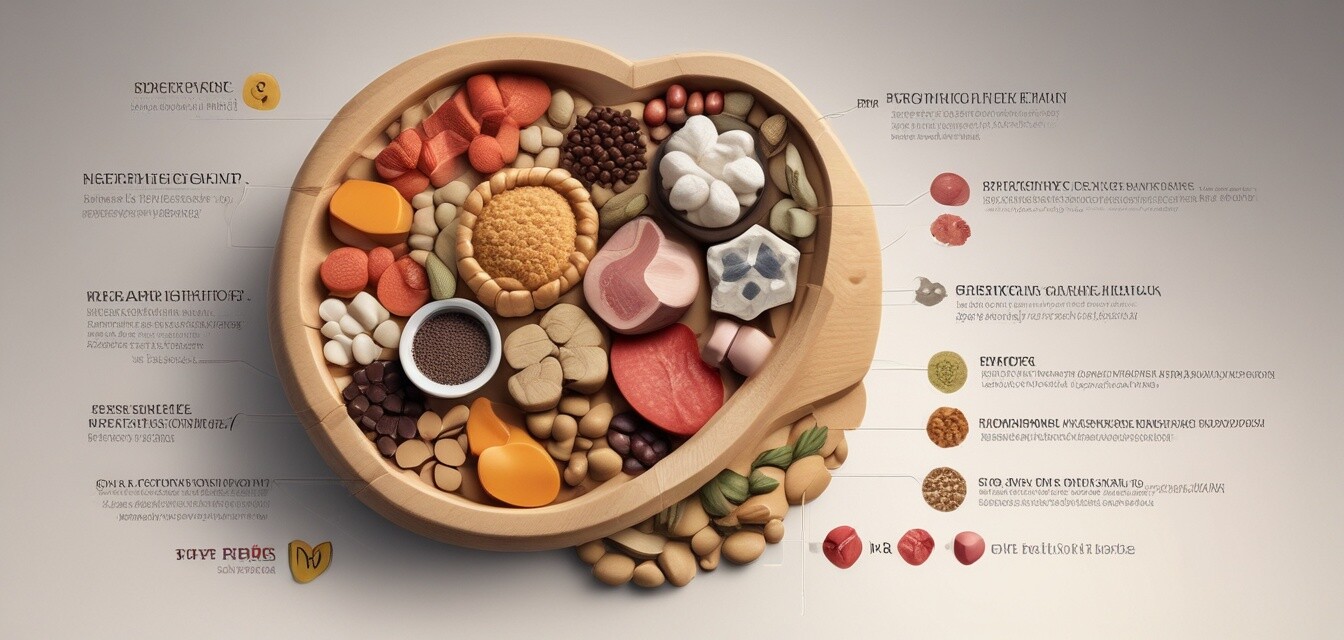
Essential Nutrients in Senior Dog Food: A Complete Guide
Key Takeaways
- Senior dogs require different nutrients than younger dogs.
- High-quality protein is crucial for maintaining muscle mass.
- Omega fatty acids promote healthy skin and coat.
- Fiber supports digestive health, which can decline in older pets.
- Joint health supplements are beneficial for aging dogs.
As dogs age, their nutritional needs evolve. Senior dog food is specially formulated to cater to the unique requirements of older dogs, ensuring they maintain vitality and health in their golden years. In this comprehensive guide, we will explore the essential nutrients found in senior dog food, why they matter, and how to choose the best options for your furry friend.
Why Nutrients Matter in Senior Dog Food
With age, dogs may experience various health issues, including weight gain, joint pain, and decreased energy levels. Choosing dog food with the right nutrients can help to mitigate these problems and improve overall quality of life. Let’s break down the key nutrients essential for senior dogs.
Essential Nutrients for Senior Dogs
| Nutrient | Importance | Sources |
|---|---|---|
| Protein | Essential for maintaining muscle mass and preventing weight loss. | High-quality meats (chicken, beef), fish, and eggs. |
| Omega Fatty Acids | Supports skin and coat health; helps reduce inflammation. | Fish oil, flaxseed oil, chicken fat. |
| Fiber | Promotes a healthy digestive system. | Vegetables, brown rice, and beet pulp. |
| Antioxidants | Helps reduce oxidative stress and promotes a healthy immune system. | Berries, spinach, and carrots. |
| Joint Health Supplements | Supports joint mobility and health. | Glucosamine, chondroitin, and omega fatty acids. |
Key Considerations When Selecting Senior Dog Food
Choosing the right food for your senior dog involves considering various factors that can impact their health and wellbeing. Here are some important considerations:
- Age and Weight: Ensure the food is specifically designed for senior dogs and is suitable for their age, size, and weight.
- Ingredient Quality: Look for high-quality, natural ingredients, avoiding fillers and artificial preservatives.
- Specific Health Needs: If your dog has health issues like joint problems or allergies, select foods that address those conditions.
- Feeding Guidelines: Always follow the feeding guidelines on the packaging to avoid overfeeding or underfeeding.
Top Products for Senior Dogs
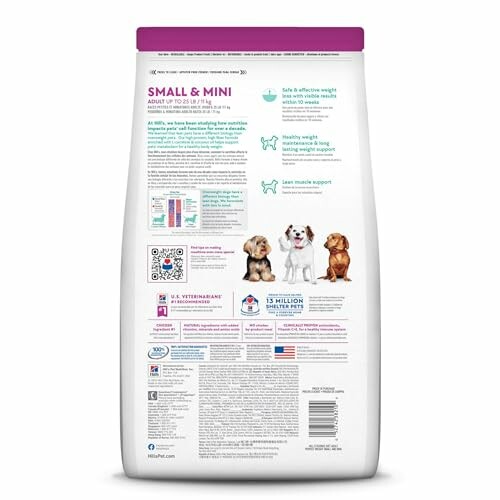 Healthy Weight Management
Hill's Science Diet Perfect Weight Adult Small & Mini, Chicken Recipe
This dry dog food helps dogs achieve a healthy weight while improving quality of life. Made with chicken as the top ingredient.
Learn MoreManaging Weight in Senior Dogs
Weight management is crucial for senior dogs, as obesity can lead to increased health risks. Here are some tips to help your aging dog maintain a healthy weight:
- Monitor Portion Sizes: Follow feeding guidelines provided and adjust as needed based on your dog's weight.
- Regular Exercise: Encourage regular walks and gentle play to keep them active.
- Choose Low-Calorie Foods: Look for specially formulated weight management dog foods.
- Consult Your Veterinarian: Work closely with your vet to find the best plan for your dog's health.
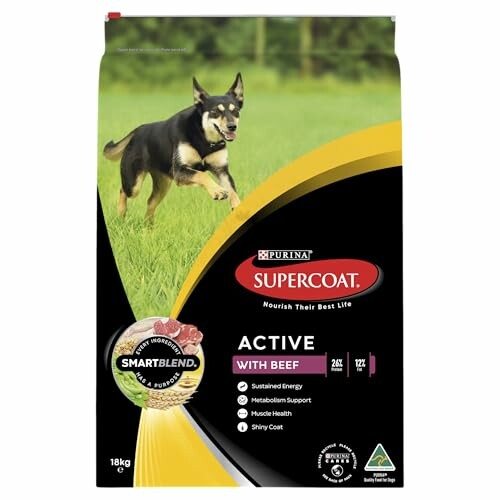 Active Nutrition
SUPERCOAT SMARTBLEND Adult Dry Dog Food Beef
A blend designed for active dogs, featuring high protein levels for muscle health and complex carbohydrates for sustained energy.
Learn MoreFeeding Tips for Senior Dogs
Beginner's Section
- Gradually transition to new food over a week to avoid digestive upset.
- Feed smaller, more frequent meals to aid digestion.
- Always ensure fresh water is available to keep them hydrated.
Common Myths About Senior Dog Nutrition
Many myths surrounding senior dog nutrition can lead to confusion. Let’s debunk a few:
- Myth: All senior dogs need low-protein diets.
- Truth: Senior dogs require adequate protein to maintain muscle mass; low-quality protein should be avoided.
- Myth: Senior dogs should eat less frequently.
- Truth: Smaller, more frequent meals can benefit digestion.
Conclusion
Providing your senior dog with a nutrient-rich diet is essential for their health and wellbeing. Focus on high-quality ingredients, balanced nutrition, and regular veterinary check-ups to ensure they thrive in their golden years. For more detailed guides on organic options, check out our Top Organic Dog Food Brands or learn about How to Transition to Organic Dog Food.