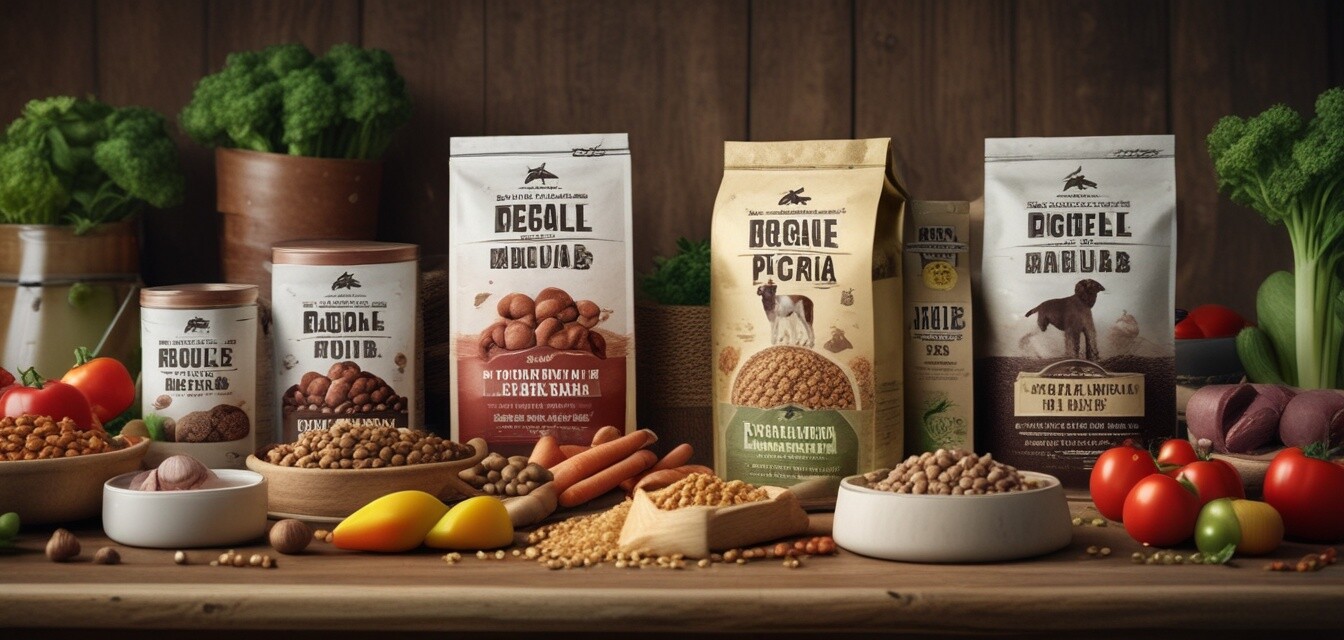
How to Choose Organic Dog Food for Allergic Dogs
Key Takeaways
- Understand common allergens in dog food.
- Look for organic certifications.
- Prioritize the quality and type of protein sources.
- Be mindful of additional ingredients and fillers.
- Consider consulting with a veterinarian for personalized advice.
Choosing the right organic dog food for pets with allergies is a task that requires careful consideration and research. Allergies can cause various health issues in dogs, so it's paramount for owners to select food that is not only nutritious but also free from common allergens. This guide will help you navigate the selection process for organic dog food tailored to sensitive pups.
Understanding Allergies in Dogs
Many dogs suffer from food allergies that can lead to discomfort and health issues. Food allergies can manifest in various forms such as skin irritations, digestive issues, and more. The most common allergens found in dog foods include:
| Common Allergens | Description |
|---|---|
| Beef | Often a leading cause of allergies in dogs. |
| Dairy | Can cause digestive upset in some dogs. |
| Wheat | A common grain that many dogs don't digest well. |
| Chicken | Can result in allergic reactions for some dogs. |
| Eggs | May lead to skin and digestive problems. |
Why Choose Organic Dog Food?
Organic dog food is often free from synthetic additives, preservatives, and pesticides, making it a healthier choice for your furry friends. Here are some reasons why you should consider organic dog food:
- No artificial ingredients: Organic foods are less likely to contain harmful chemicals.
- Higher nutritional value: Organic ingredients tend to retain more nutrients.
- Better sourcing: Organic practices support sustainable farming.
- Healthier for sensitive dogs: Organic dog food often targets specific needs, helping dogs with allergies.
Choosing the Right Organic Dog Food
When selecting organic dog food for allergic dogs, keep the following steps in mind:
- Read Labels Carefully: Look for foods labeled "organic" and check the ingredient list for potential allergens.
- Focus on Protein Sources: Select limited-ingredient diets that feature single-source protein to reduce allergy risks.
- Consider Grain-Free Options: Grain-free diets can help eliminate grains that cause allergies. Check our section on Grain-Free Dog Food for more options.
- Check for Certifications: Look for organic certifications to ensure the food meets standards.
- Consult with Your Veterinarian: Getting a professional opinion can be one of the best steps to take for your dog's health.
What to Avoid in Organic Dog Food
Just as important as knowing what to look for is being aware of what to avoid:
- Common fillers like corn and soy.
- Additives and preservatives that may trigger allergies.
- By-products from unspecified meat sources.
Tips for Switching Foods
Tips for Transitioning to Organic Dog Food
- Introduce the new food gradually over 7-10 days.
- Monitor your dog's response to the new food.
- Providing smaller and more frequent meals can ease the transition.
- Avoid mixing old and new food for a seamless transition.
Conclusion
Choosing the right organic dog food for allergic dogs doesn't have to be overwhelming. By understanding allergies, focusing on quality ingredients, and consulting with a veterinarian, you can make a well-informed decision. Always prioritize your dog's health and well-being over convenience and make the switch when you find the right formula.
Pros
- High-quality, nutrient-rich ingredients.
- Free from harmful additives.
- Promotes overall health in sensitive dogs.
Cons
- Can be more expensive than non-organic alternatives.
- Limited availability in some areas.
- May require a longer transition period.
Explore More on Nutrition
For further reading on organic dog food, check out our articles on Buying Guides, News and Trends, and tips for Healthy Living.