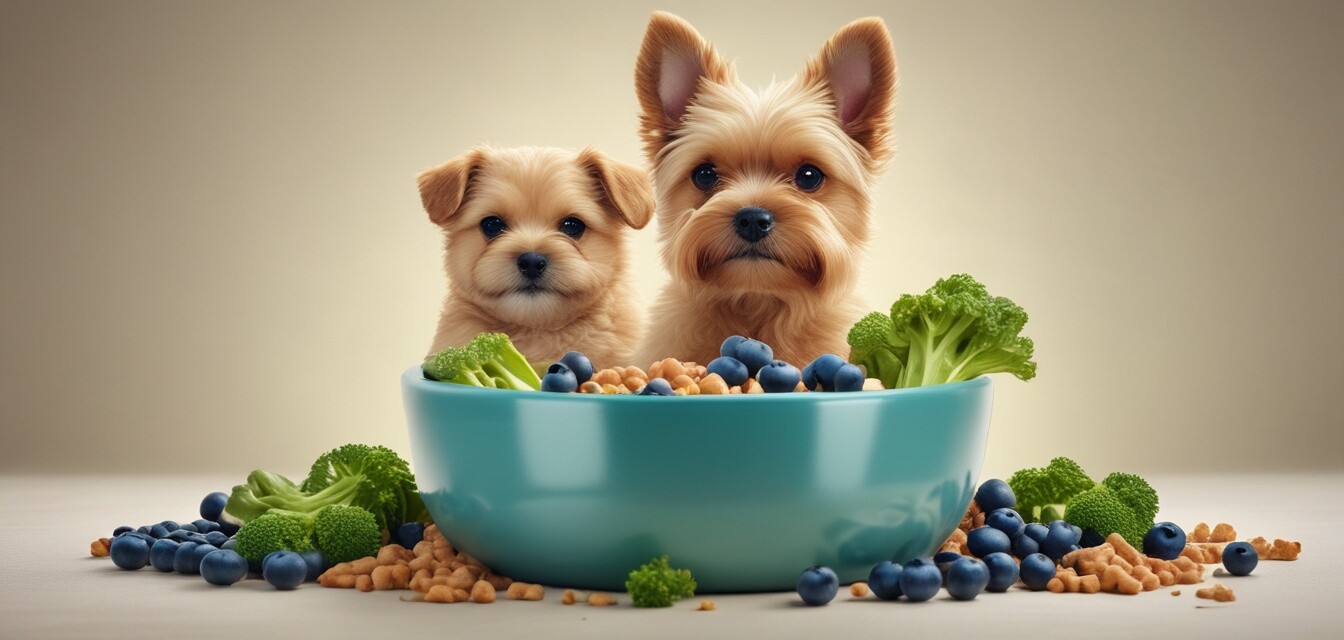
How to Choose the Best Organic Puppy Food: A Complete Guide
Key Takeaways
- Understand your puppy's nutritional needs based on age, breed, and size.
- Look for high-quality, organic ingredients without fillers.
- Consider the inclusion of natural superfoods for added health benefits.
- Consult with your veterinarian for personalized recommendations.
- Review popular organic puppy food brands for quality assurance.
Choosing the best organic puppy food is crucial for ensuring your furry friend's healthy growth and development. With so many options available today, it can be overwhelming to determine which food will meet your puppy's unique nutritional needs. In this guide, we’ll explore key factors to consider when selecting organic puppy food, including ingredients, certifications, and more.
Why Choose Organic Puppy Food?
Organic puppy food is formulated without the use of synthetic fertilizers, pesticides, or genetically modified organisms (GMOs). Here are some benefits of opting for organic:
- Higher nutrient quality due to better farming practices.
- Fewer chemicals and toxins that could affect your puppy's health.
- Supports sustainable and ethical farming methods.
Understanding Nutritional Needs
Your puppy has specific nutritional requirements that differ from adult dogs. Here are some key factors to consider:
| Nutritional Factor | Recommended Percentage |
|---|---|
| Protein | 22-32% |
| Fats | 8-20% |
| Carbohydrates | 30-50% |
| Vitamins & Minerals | Per AAFCO guidelines |
Key Ingredients to Look For
Not all organic puppy foods are created equal. Here are some vital ingredients to consider:
- High-quality protein sources: Look for named meat sources (e.g., chicken, lamb).
- Whole grains: Brown rice, barley, or oats can provide energy.
- Healthy fats: Omega fatty acids are essential for skin and coat health.
- Natural superfoods: Ingredients like blueberries, kale, and pumpkin.
Top Brands to Consider
Familiarizing yourself with reliable brands can simplify your decision. One popular option is:
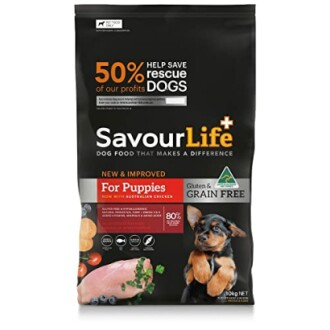 Top Choice
SavourLife Puppy Chicken Dry Food, 10 Kilograms
This delightful food provides essential vitamins, minerals, and natural prebiotics, perfect for growing puppies.
Learn MoreHow to Transition to Organic Puppy Food
Switching your puppy to organic food requires careful planning to avoid digestive upset. Follow these steps:
- Gradual transition: Mix the new food with the old over 7-10 days.
- Monitor for reactions: Watch for any signs of allergies or digestive issues.
- Consult your vet: Discuss any concerns during the transition period.
Consulting Your Veterinarian
Before making significant changes to your puppy’s diet, consult with your veterinarian. They can offer personalized advice based on your puppy's health needs.
Key Differences Between Organic and Regular Puppy Food
Choosing between organic and conventional puppy food can be complex. Consider the following differences:
| Feature | Organic Puppy Food | Regular Puppy Food |
|---|---|---|
| Ingredients | No synthetic additives; natural ingredients | May contain fillers and preservatives |
| Fillers | Minimal or none | Often includes low-quality fillers |
| Nutritional Quality | Higher quality, nutrient-dense | Variable quality |
Conclusion
In summary, selecting the best organic puppy food involves understanding your puppy's unique needs, researching ingredients, and trusting quality brands. As always, incorporating professional advice from your vet will ensure your puppy's health and happiness. With the right nutrition, your furry friend will grow strong and thrive.
Beginners Section
If you're new to dog ownership or the world of organic foods, here are some basic tips:
- Start with small bags to test what your puppy prefers.
- Read the label and ensure the product meets AAFCO standards.
- Join online forums or local groups for recommendations.