
Special Considerations for Senior Dogs: Choosing Organic Food
Key Takeaways
- Understand the unique nutritional requirements of senior dogs.
- Look for organic foods that support joint health and digestion.
- Consider the protein, fat, and fiber content tailored to senior dogs.
- Ensure the food is free from artificial additives and preservatives.
- Always consult with your veterinarian before making dietary changes.
Choosing the right organic food for senior dogs is vital for their overall health and well-being. As dogs age, their nutritional needs change, and selecting the right food can greatly enhance their quality of life. This guide will walk you through the essential considerations you need to take into account when shopping for organic dog food, particularly for your senior pup.
Nutritional Needs of Senior Dogs
Senior dogs often face various health challenges, including reduced metabolism, joint issues, and dental problems. These changes require careful attention to their dietary needs. Here are some key factors to consider:
1. Protein Content
As dogs age, maintaining lean muscle mass becomes crucial. You should look for organic dog food that includes high-quality protein sources, which can help support muscle health. Aim for a diet that has:
- Animal proteins like chicken, beef, or fish.
- Higher protein levels compared to regular dog food.
2. Fat and Calories
Reduced activity levels can lead to weight gain in senior dogs. It's essential to choose food that has a moderate amount of fat to ensure they maintain a healthy weight while still receiving adequate energy.
3. Joint Support
Many senior dogs suffer from arthritis or other joint issues. Look for organic dog foods that include:
- Omega fatty acids for skin and coat health.
- Glucosamine and chondroitin for joint support.
4. Digestive Health
Senior dogs may experience digestive issues, so it is essential to opt for food containing:
- High fiber to help with digestion.
- Probiotics that promote gut health.
Choosing the Right Organic Dog Food
When selecting organic dog food, it's crucial to understand the labels and what they mean. Here are some tips:
1. Read Ingredients Lists
Look for a short ingredients list where whole foods are prioritized. Organic ingredients should be the first in the list. Avoid products with fillers or artificial additives.
2. Look for Certifications
Choose products that display organic certifications to ensure that they comply with organic standards.
3. Consider Taste Preferences
Senior dogs can be picky eaters; selecting different flavors and brands can help determine what they like best. If your dog prefers beef, consider options like:
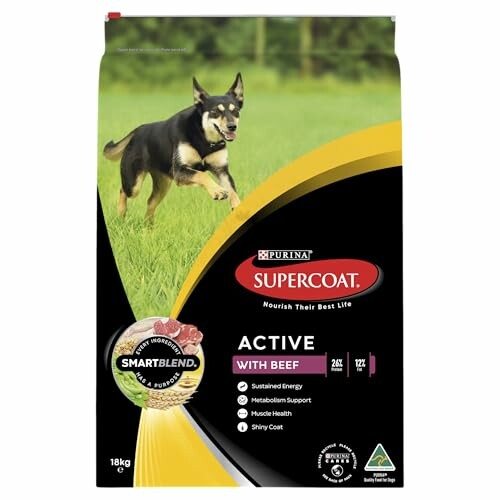 Nutritional powerhouse
SUPERCOAT SMARTBLEND Adult Dry Dog Food Beef 18kg
Made with extra B vitamins for metabolism support, higher protein levels for muscle health, and complex carbohydrates for sustained energy.
Learn MorePros and Cons of Organic Dog Food for Seniors
Pros
- Can improve overall health and vitality.
- Free from artificial preservatives and additives.
- High-quality protein sources support muscle health.
Cons
- Can be more expensive than conventional dog food.
- May not appeal to all dogs due to taste preferences.
- Availability can be limited in some areas.
Additional Resources
For more information on dog nutrition, consider checking out these helpful resources:
- The Ultimate Guide to Organic Dog Food
- How to Transition to Organic Dog Food
- Best Organic Dog Food for Puppies
- Ingredients to Look for in Organic Dog Food
- The Cost of Organic Dog Food
Conclusion
In conclusion, choosing the right organic food for your senior dog requires careful consideration of their unique needs. By focusing on protein, healthy fats, and digestible ingredients, you can help ensure your furry friend enjoys a healthy and vibrant life. Always remember to consult with your veterinarian to make the best choices for your dog's specific health requirements.