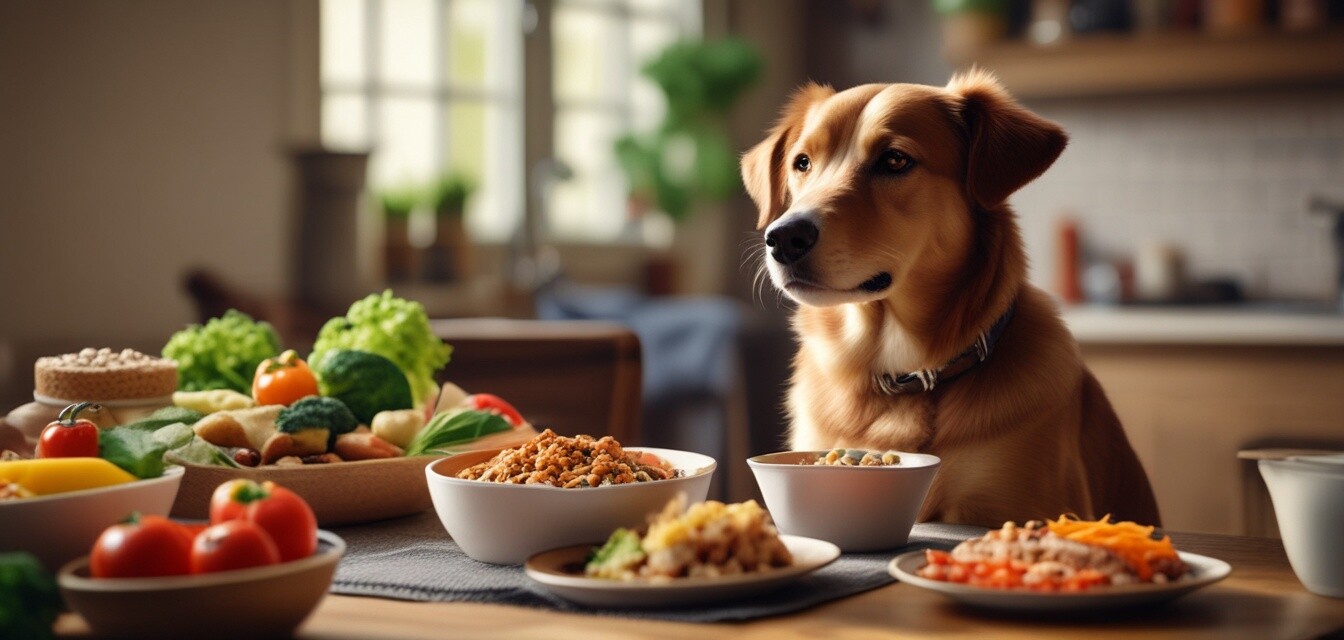
5 Signs Your Dog Will Benefit from Organic Food
Key Takeaways
- Pay attention to your dog's skin and coat condition; poor health can indicate dietary issues.
- Observe your dog's energy levels; low energy may suggest a need for better nutrition.
- Monitor digestive health; frequent stomach issues can be helped by switching to organic food.
- Check for allergies or sensitivities that organic food may alleviate.
- Consider your dog's age or stage of life; puppies and seniors may thrive on organic diets.
As pet owners, we often seek the best for our furry friends, especially when it comes to their health and diet. Organic food has become increasingly popular among dog owners, and for good reason. But how do you know if your dog could truly benefit from it? In this article, we will outline five key signs that indicate it may be time to consider switching to an organic diet for your dog.
1. Poor coat condition
Your dog's coat is a reflection of their overall health. If your dog has a dull, dry, or flaky coat, it could signal nutrient deficiencies or sensitivities to additives found in commercial dog foods. Organic food typically contains higher amounts of vitamins and minerals, which can help restore shine and health to your dog's coat.
Signs of poor coat health
- Excessive shedding
- Flaky skin
- Dull fur
2. Low energy levels
If your dog seems lethargic or disinterested in play, their diet might not be providing the necessary nutrients. Organic food is free from artificial preservatives and fillers, which means you might see an improvement in their energy levels after a switch.
Benefits of an organic diet for energy
- Higher quality ingredients
- No chemical additives
- Better nutrient absorption
3. Digestive issues
Common digestive issues in dogs
- Gassiness
- Loose stools
- Frequent vomiting
4. Allergies or sensitivities
Watch for signs of allergies, such as itching, redness, or inflammation. Ingredients present in non-organic dog food can trigger these symptoms. Organic dog food often contains fewer allergens and is made with higher quality meat and vegetables, reducing the chances of allergic reactions.
Signs of dog allergies
- Itchy skin and paws
- Red eyes or nose
- Frequent ear infections
5. Age and stage of life
As your dog ages or goes through various life stages, their nutritional needs change. Puppies, seniors, and dogs with specific health issues may benefit greatly from organic diets, which can be tailored to meet their unique requirements.
Customized nutrition for life stages
- Puppies: require high-quality protein for growth
- Adults: need balanced nutrition for daily energy
- Seniors: may need easy-to-digest ingredients
Conclusion
If you recognize any of these signs in your dog, it may be time to explore organic dog food as a healthier alternative. Switching to an organic diet could align well with improving their overall health, energy levels, and well-being. For further guidance on the best options available, check out our Buying Guides for detailed recommendations and tips.
Pros
- Higher quality ingredients
- No artificial additives
- Better overall health for your dog
Cons
- Higher cost compared to conventional pet food
- Availability may be limited in some areas
Tips for transitioning to organic food
- Gradually introduce organic food to your dog's diet over a week.
- Monitor your dog's response to the new food closely.
- Consult your vet for personalized advice on switching diets.