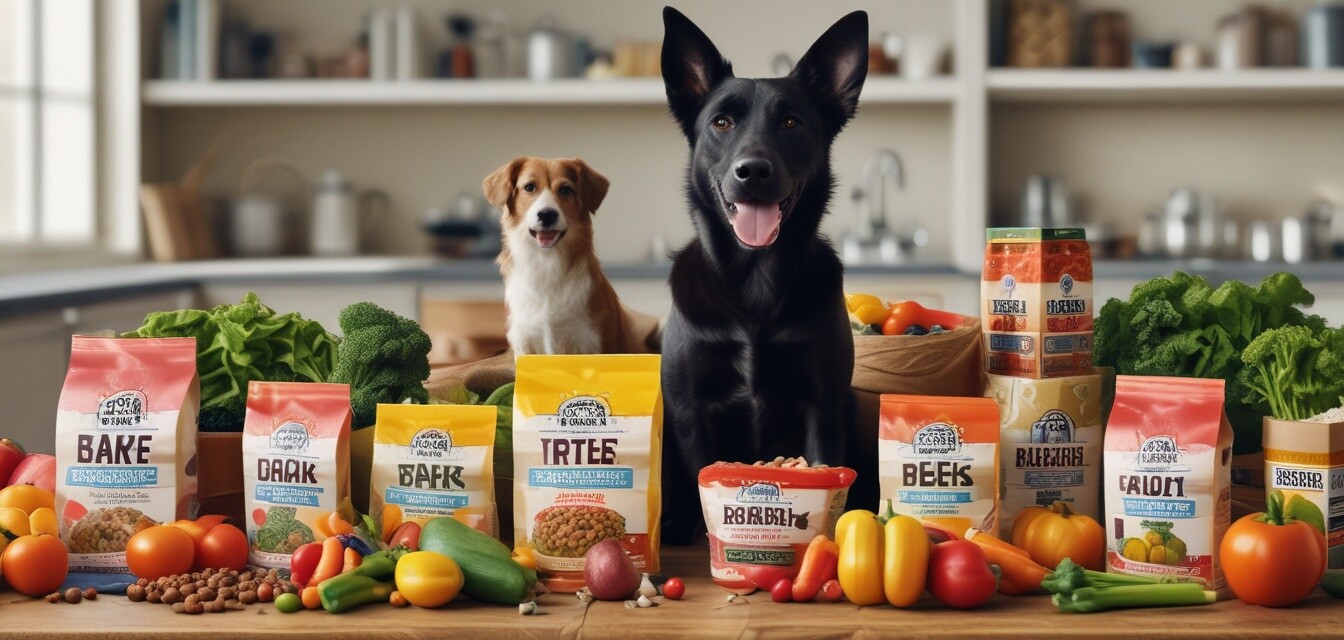
7 Tips for Transitioning Your Dog to Organic Food
Key Takeaways
- Transition gradually to avoid digestive issues.
- Monitor your dog’s reactions closely during the transition.
- Choose high-quality organic brands to ensure nutritional value.
- Incorporate a mix of old and new food initially.
- Consult with your vet for personalized advice tailored to your dog’s needs.
Transitioning your dog from traditional food to organic dog food can be a rewarding journey, ensuring they enjoy a healthier diet filled with high-quality ingredients. This article will guide you through effective strategies to make this transition smooth and safe for your furry friend.
Why Choose Organic Dog Food?
Organic dog food is becoming increasingly popular among pet owners. Here are some reasons why you might consider making the switch:
- No artificial preservatives.
- Higher quality ingredients.
- Potential for better digestion.
1. Gradual Transition is Key
One of the most important steps when transitioning your dog to organic food is to do it gradually. A sudden change can upset their stomach and lead to other digestive issues.
How to Implement a Gradual Transition:
- Begin by mixing a small amount of organic food with their current food.
- Slowly increase the proportion of organic food over a week or so.
- Observe your dog for any signs of discomfort or digestive issues.
2. Monitor Your Dog's Reactions
During the transition period, keep a close eye on your dog's behavior and physical reactions. Look for signs of any adverse effects, such as:
- Vomiting
- Diarrhea
- Lethargy
3. Choose High-Quality Organic Brands
Not all organic dog foods are created equal. Look for brands that provide transparency regarding their ingredients and sourcing. To learn more about selecting the best options, check our Buying Guides section.
4. Incorporate a Mix of Old and New Food
To ease your dog into their new diet, consider mixing their old food with the organic variety. This combination allows for a smoother taste transition while still providing the familiar flavor they enjoy.
5. Consult with Your Veterinarian
It's always wise to consult with your vet before making any significant changes to your dog’s diet. They can provide personalized recommendations based on your dog's health needs and lifestyle.
6. Stay Consistent with Feeding Times
Stick to regular feeding schedules to establish a routine for your dog. This consistency helps in adjusting to the new food and makes them more comfortable with the changes.
7. Be Patient and Observant
Changes in diet take time, and every dog will react differently. Patience is crucial, and it’s important to stay observant to ensure your dog adapts without stress.
Additional Tips for Smooth Transitioning
- Offer treats that are made from organic ingredients.
- Integrate fresh fruits and vegetables into their diet.
- Provide plenty of fresh water to aid digestion.
Conclusion
Transitioning your dog to organic food not only helps improve their diet but can lead to a happier, healthier life. Follow these tips to ensure a smooth transition and remember that every dog is unique, so adjust the process as needed.
Pros
- Improved ingredient quality.
- Fewer additives and fillers.
- Potential for better overall health.
Cons
- Higher cost compared to traditional food.
- Limited availability of some brands.
- Requires research to find the best options.
Explore More
If you're keen to learn more about healthy options for your dog, explore our collections on All-Natural Dog Treats, Grain-Free Dog Food, and News and Trends.