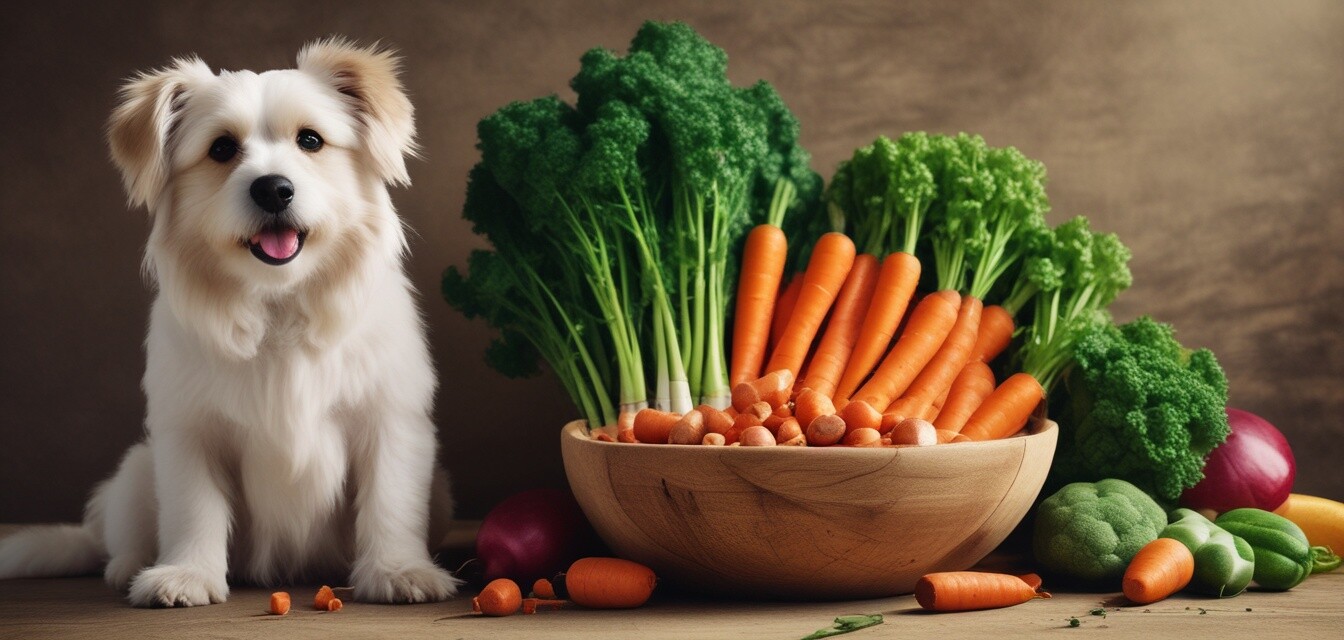
The Benefits of Including Vegetables in Your Dog's Organic Diet
- Vegetables provide essential vitamins and minerals for your dog's health.
- Including a variety of veggies can enhance digestive health.
- Vegetables can aid in weight management for dogs.
- Different types of veggies offer various benefits—balance is key!
- Consult with your vet when making dietary changes.
As a devoted pet owner, you strive to provide the best for your furry friend, and that includes their diet. One way to enhance your dog's organic diet is by incorporating a variety of vegetables. While commercial dog food offers many nutrients, fruits and vegetables can serve as excellent supplements that contribute to overall health. This article dives into the benefits of adding vegetables to your dog’s meals and how to do it effectively.
Why Are Vegetables Important for Dogs?
Just like humans, dogs require a proper balance of nutrients to thrive. While organic dog food usually contains meat as the primary source of protein, vegetables add crucial dietary variety. They provide:
- Vitamins and minerals: Vegetables are a great source of essential nutrients such as Vitamins A, C, K, and various minerals.
- Fiber: Fiber aids in digestion and can help prevent gastrointestinal issues.
- Antioxidants: Many veggies contain antioxidants that contribute to healthy cells and may help with inflammation.
Best Vegetables to Include in Your Dog's Diet
To make the most of your dog's diet, consider incorporating a mix of the following vegetables:
| Vegetable | Benefits |
|---|---|
| Carrots | Rich in beta-carotene, great for overall health. |
| Peas | High in protein and fiber, aids digestion. |
| Sweet Potatoes | Rich in vitamins and perfect for weight management. |
| Pumpkin | Supports digestive health and is good for hydration. |
| Spinach | Contains vitamins K, A, and C, supports immune function. |
How to Introduce Vegetables to Your Dog's Diet
Introducing new foods to your dog's diet should be a gradual process. Here are some tips to consider:
- Start small: Begin with small amounts to see how your dog's system reacts.
- Mix it up: Combine vegetables with their favorite organic dog food to make it palatable.
- Cook or steam: Ensure vegetables are cooked or steamed to enhance digestibility—raw vegetables might be hard for some dogs to process.
- Avoid harmful veggies: Some vegetables, like onions and garlic, are toxic to dogs—always do your research first.
Signs Your Dog May Be Lacking Nutrients
Here are a few signs that signal your dog may be lacking essential nutrients:
- Low energy levels and lethargy
- Dry, dull coat
- Digestive issues, such as diarrhea or constipation
- Weight fluctuations
Consulting with a Vet
Before making any significant changes to your dog’s diet, it’s always best to consult your veterinarian. They can provide personalized advice based on your dog’s specific health needs. To learn more about formulating a balanced diet for your pet, check out our Buying Guides.
Homemade Vegetable Recipes for Dogs
If you're feeling adventurous, consider creating homemade recipes infused with vegetables. Here’s a simple recipe to get you started:
Vegetarian Dog Treats
- 1 cup of whole wheat flour
- 1/2 cup of pureed pumpkin
- 1/4 cup of chopped carrots
- 1 egg
- Combine all ingredients and shape them into small treat-sized pieces.
- Bake at 350°F for 30 minutes.
Key Takeaways on Including Vegetables in Your Dog’s Organic Diet
Vegetables can provide variety and vital nutrients to your dog’s organic diet. By understanding how to incorporate them effectively, you can improve your dog's overall health. For more information on dog food options, explore our sections on All-Natural Dog Treats and Grain-Free Dog Food.
Pros
- Enhances overall nutrition
- Supports digestive health
- Diverse flavors and textures for your dog
- May assist in weight management
Cons
- Not all dogs enjoy the taste of vegetables
- Some veggies can cause digestive upset if introduced too quickly
- Potential for harmful ingredients if not researched
- Requires time and effort to prepare
Final Thoughts
Incorporating vegetables into your dog’s organic diet can be a rewarding way to enhance their health. With the right approach, your four-legged friend can benefit from the nutrition these colorful additions provide. Don’t forget to visit our blog for more Healthy Living Tips for your canine companion!