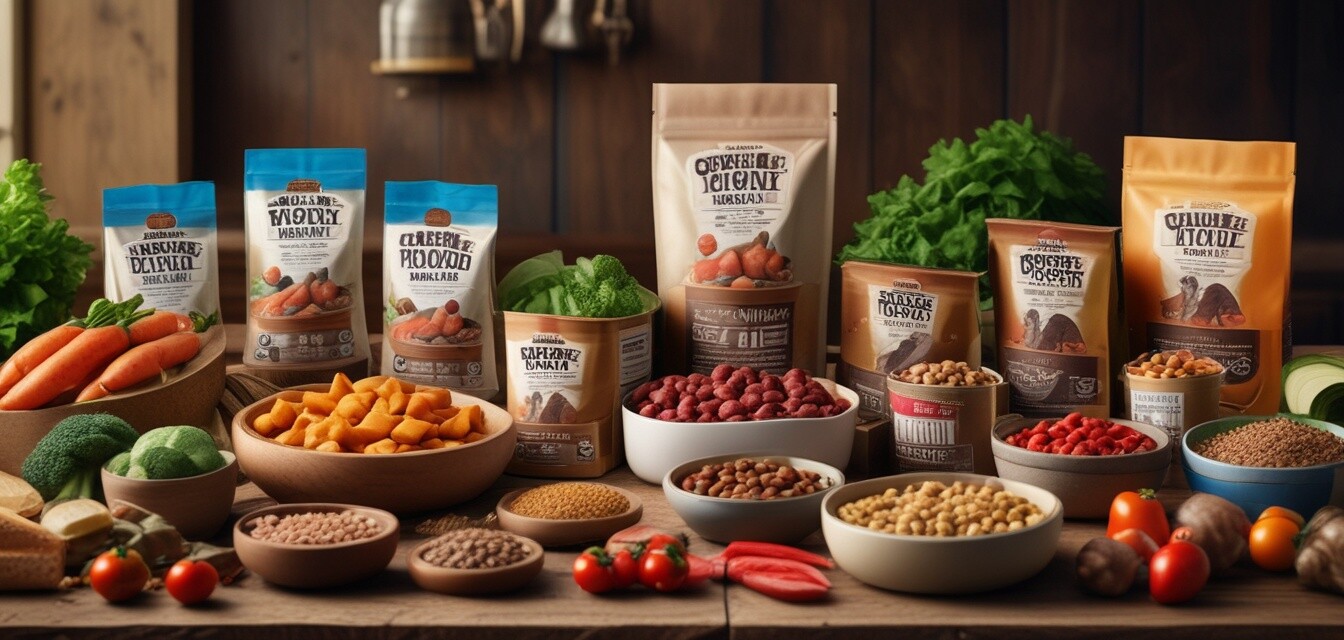
The Benefits of Organic Food for Dogs with Digestive Issues
- Organic dog food can be gentler on a dog's digestive system.
- Free from artificial additives and fillers that can cause digestive upset.
- Improved nutrient absorption can help alleviate common digestive issues.
- Choosing high-quality organic brands can support overall canine health.
As dog owners, we often face the challenge of choosing the right diet that meets our dog's specific needs, especially when it comes to their digestive health. Many dogs experience digestive issues that can lead to gas, bloating, and discomfort. One option that has gained popularity among pet owners is organic dog food. In this article, we'll explore how organic food can alleviate common digestive problems faced by dogs and contribute to their overall well-being.
Understanding Digestive Issues in Dogs
Before discussing the benefits of organic food, it's crucial to understand the common digestive issues that dogs can face:
- **Gastroenteritis:** Inflammation of the stomach and intestines leading to vomiting and diarrhea.
- **Food allergies:** Certain ingredients can trigger allergic reactions, resulting in digestive upset.
- **Sensitivity to fillers:** Many commercial dog foods contain fillers that can irritate the digestive tract.
- **Inadequate nutrient absorption:** Some diets may not provide the necessary nutrients for healthy digestion.
How Organic Food Supports Digestive Health
Organic dog food is made from natural ingredients that are free from pesticides, synthetic fertilizers, and artificial preservatives. Below are some key benefits of organic food in addressing digestive issues:
1. Natural Ingredients
Organic dog food is formulated using whole food ingredients that are easier for dogs to digest compared to processed products. These ingredients often include:
- High-quality proteins
- Whole grains
- Fresh fruits and vegetables
2. Lack of Artificial Additives
Many standard dog foods contain artificial flavors, colors, and preservatives that can upset a dog's stomach. Organic food eliminates these additives, making it a more suitable choice for dogs with sensitive digestive systems.
3. Better Nutrient Absorption
The nutrients in organic dog food are more bioavailable, meaning dogs can absorb them better. This leads to healthier digestion and can help alleviate conditions caused by nutritional deficiencies.
4. Controlled Ingredients
With organic food, pet owners have better control over the ingredients being fed to their dogs. This transparency helps identify any potential irritants that could lead to digestive discomfort. For more insights on choosing the best dog food, check out our Buying Guides.
Choosing the Right Organic Dog Food
When selecting organic dog food, consider the following:
- Read Labels: Look for products certified by a recognized organic certification body.
- Check Ingredients: Choose foods with a high protein content and whole food ingredients.
- No Fillers: Avoid products that contain fillers such as corn or soy, which can cause digestive issues.
Popular Organic Food Brands for Digestive Health
While there are numerous organic brands available, it's important to know what to look for. Consider factors such as ingredient sourcing, manufacturing processes, and brand reputation. You can explore organic options in our Grain-Free Dog Food section for nutritious alternatives that might benefit your dog.
Homemade Organic Dog Food: An Option
Another way to ensure your dog receives quality organic nutrition is by preparing homemade dog food. Here’s a simple recipe idea that you can try:
Simple Organic Dog Food Recipe
| Ingredients | Quantity |
|---|---|
| Organic Chicken (boneless) | 2 cups |
| Organic Carrots (diced) | 1 cup |
| Organic Quinoa | 1 cup |
| Organic Peas | ½ cup |
Cook the chicken thoroughly and mix all ingredients in a bowl. Ensure that the quinoa is cooked separately before mixing. Let cool before serving to your dog.
Final Thoughts
Switching your dog to an organic diet may take some time, but the potential benefits for their digestive health are worth it. Transition them gradually to avoid any sudden changes in their diet, which can further upset their stomach. Consult with your veterinarian before making significant dietary changes, especially if your dog has pre-existing health conditions. For more tips on fostering better health for your dog, check out our section on Healthy Living Tips.
Pros
- Gentler on the digestive system.
- Improved nutrient absorption.
- Free from harmful additives.
- Better ingredient transparency.
Cons
- Can be more expensive than traditional dog food.
- May not be suitable for all dogs with specific dietary needs.