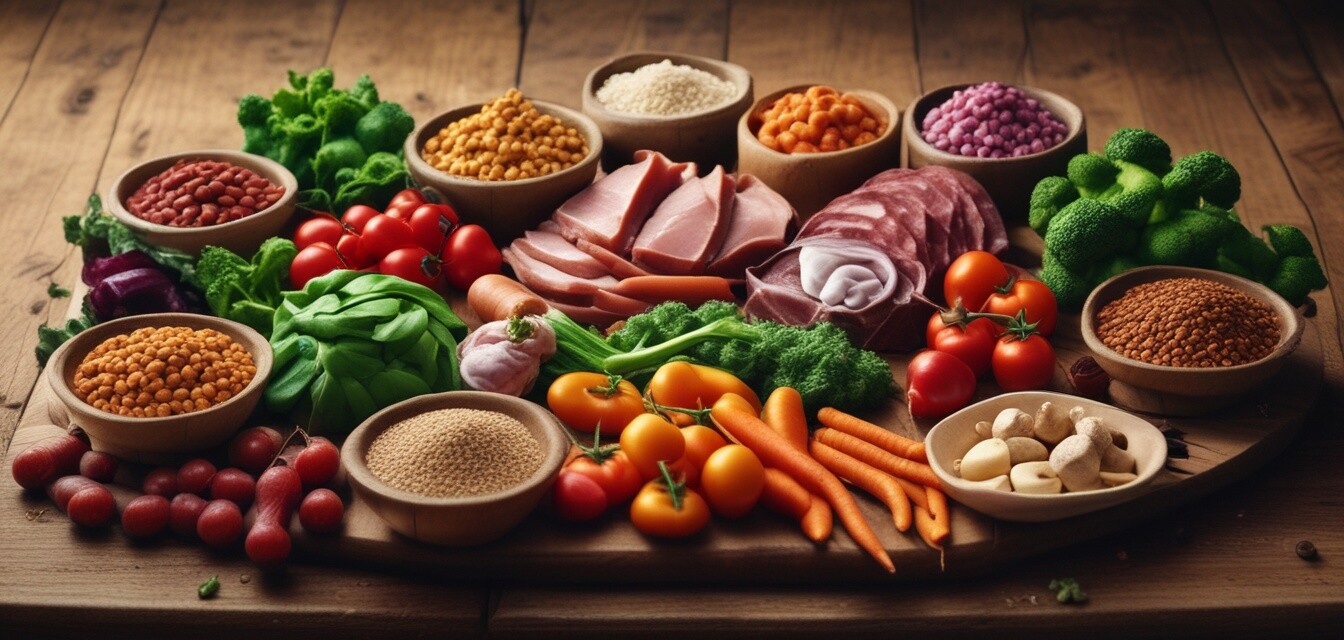
The Best Organic Ingredients for Grain-Free Dog Food
Choosing the right ingredients for your dog’s grain-free diet is essential for their health and happiness. This article will help you understand which organic ingredients are best for grain-free dog food, ensuring your furry friend gets the nutrition they deserve.
Key Takeaways
- Organic proteins provide essential nutrients.
- Fruits and vegetables add important vitamins and minerals.
- Inclusion of healthy fats promotes coat health.
- Consider nutritional diversity for overall health.
Understanding Grain-Free Dog Food
Grain-free dog food is ideal for pets that may have sensitivities to gluten or grains. It incorporates alternative ingredients that offer the same nutritional benefits without the problematic grains. As more dog owners switch to organic and grain-free diets, it’s important to understand the best organic ingredients to consider.
Top Organic Ingredients for Grain-Free Dog Food
Choosing the right organic ingredients can positively impact your dog's health. Below is a list of the best organic ingredients to look for when selecting grain-free dog food:
| Ingredient | Description | Nutritional Benefits |
|---|---|---|
| Organic meat (chicken, beef, lamb) | High-quality protein sources. | Essential amino acids for muscle development. |
| Organic sweet potatoes | A fiber-rich carbohydrate source. | Great source of vitamins A and C. |
| Organic carrots | Healthy vegetable option. | Includes beta-carotene and antioxidants. |
| Organic peas | Nutritious legume. | Good source of protein, fiber, and vitamins. |
| Organic blueberries | Natural fruit component. | Rich in antioxidants and vitamins. |
| Organic coconut oil | Healthy fat source. | Supports a shiny coat and healthy skin. |
| Organic flaxseed | Plant-based fat option. | High in omega-3 fatty acids. |
Why Choose Organic Ingredients?
Organic ingredients are grown without harmful pesticides and synthetic fertilizers, making them a safer option for your dog. These ingredients are believed to be more nutritious and can lead to a healthier pet. When looking for grain-free options, ensure to check the ingredient list for organic labels and certifications.
How to Transition to Grain-Free Diets
Switching your dog to a grain-free diet should be done gradually. Here’s a simple guide to help you:
- Begin by mixing a small amount of grain-free food with their current food.
- Gradually increase the ratio of grain-free food over 7-10 days.
- Monitor your dog’s reaction and adjust the transition speed if needed.
- Consult your vet if you notice any adverse effects.
Additional Tips for Buying Grain-Free Dog Food
Expert Tips
- Always read the ingredient label carefully.
- Select brands that provide clear information about sourcing and nutrition.
- Try to buy from reputable brands that focus on quality.
- Consult your vet for personalized advice and recommendations.
Final Thoughts
Choosing the right organic ingredients for grain-free dog food can greatly impact your dog's health. By ensuring that your furry friend gets the best nutrition from organic sources, you are making a significant investment in their well-being.
For more tips on pet nutrition and health, check out our Healthy Living Tips section or explore our other categories like All-Natural Dog Treats, Grain-Free Dog Food, and more!
Pros
- Improved pet health and vitality.
- Higher quality ingredients that are safe.
- More diverse nutrient intake.
Cons
- Can be more expensive than conventional food.
- Some dogs may not adapt well to the change.
- Limited availability in stores.