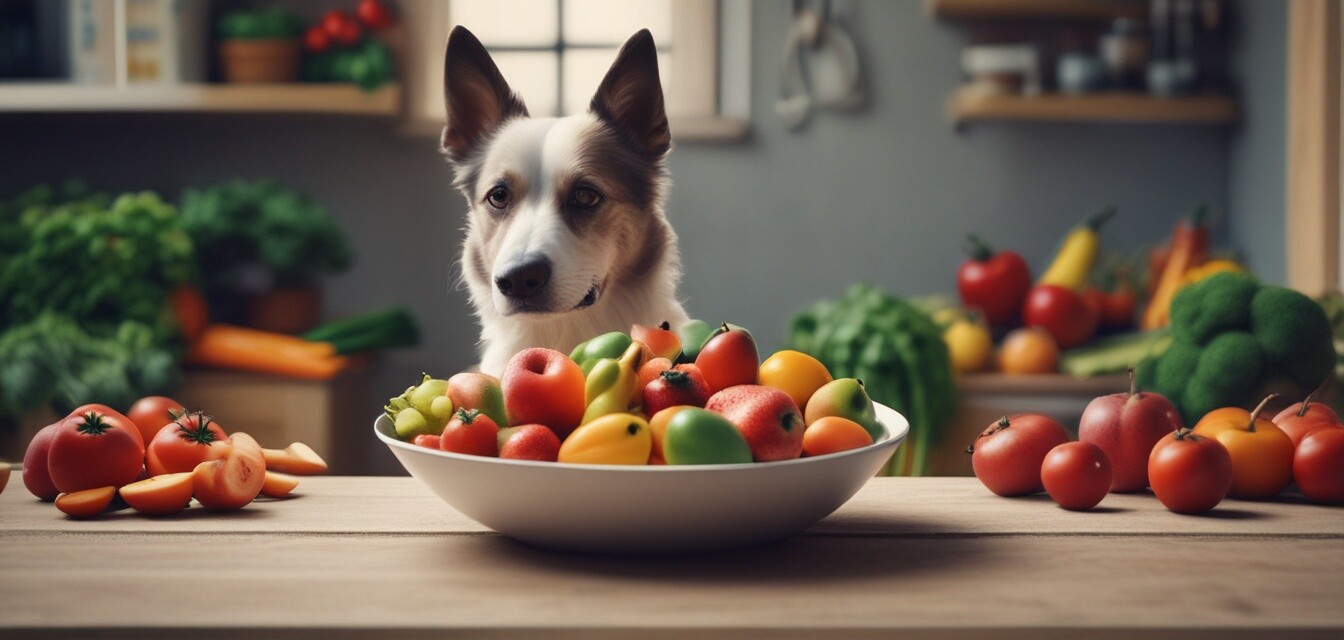
Enhancing Your Dog’s Diet with Organic Fruits and Vegetables
Key Takeaways
- Organic fruits and vegetables can provide essential nutrients for dogs.
- Some fruits and vegetables are safer and healthier for dogs than others.
- Feeding your dog organic produce can help improve their overall well-being.
- Monitoring portion sizes is essential to avoid digestive upset.
In today’s world, pet owners are increasingly aware of what goes into their dog's food. Many are opting for organic options, including fruits and vegetables, to enhance their furry friend’s diet. This article explores which organic fruits and vegetables are safe and beneficial for dogs, promoting overall health and wellness.
Why choose organic fruits and vegetables?
Organic produce is grown without synthetic fertilizers, pesticides, or genetically modified organisms. This means you’re not only providing a cleaner diet for your dog but also supporting sustainable farming practices. Here are a few reasons why organic fruits and vegetables are a great addition to your dog’s diet:
- Fewer chemicals: Organic produce avoids harmful chemicals that can affect your dog's health.
- Higher nutrient content: Organic farming practices may lead to higher levels of nutrients in fruits and vegetables.
- Better taste: Many pet owners claim that organic produce tastes better, making it more appealing to dogs.
Safe organic fruits for dogs
Many fruits can be beneficial to dogs when given in moderation. Here’s a list of safe organic fruits for your pooch:
| Fruit | Benefits | Serving Size |
|---|---|---|
| Blueberries | Rich in antioxidants | 1/4 cup for medium-sized dog |
| Apples | Source of vitamins A and C | 1/2 apple, sliced |
| Bananas | High in potassium and fiber | 1/4 banana for large dogs |
| Watermelon | Hydrating and low in calories | 1/2 cup, seedless |
| Strawberries | Rich in vitamin C and high in fiber | 2-3 strawberries |
Safe organic vegetables for dogs
Just like fruits, there are numerous vegetables that your dog can enjoy. Here’s a list of safe organic vegetables:
| Vegetable | Benefits | Serving Size |
|---|---|---|
| Carrots | High in fiber, good for eyes | 1 whole carrot or 1/2 cup chopped |
| Sweet Potatoes | High in vitamins and low in fat | 1/4 medium potato, cooked |
| Green Beans | Low-calorie snack, provides vitamins | 1/2 cup, cooked |
| Peas | High in protein and fiber | 1/4 cup, fresh or frozen |
| Spinach | Rich in iron and antioxidants | 1/4 cup, cooked |
How to incorporate fruits and vegetables into your dog’s diet
Introducing organic fruits and vegetables into your dog's diet can be a simple process. Here are a few tips:
- Start slow: Introduce one fruit or vegetable at a time to see how your dog reacts.
- Chop into bite-sized pieces: Make it easy for your dog to chew and digest.
- Mix with regular food: Add fruits and vegetables to your dog's regular meals for added nutrition.
- Avoid toxic options: Ensure the produce you are offering is safe for dogs.
Common fruits and vegetables to avoid
While many fruits and vegetables are safe, some can be harmful. Here’s a short list of items you should never feed your dog:
- Grapes and raisins
- Onions and garlic
- Cherries
- Avocado
Conclusion
Incorporating organic fruits and vegetables into your dog's diet can greatly enhance their wellness and provide essential nutrients. Always consult with your veterinarian before making any significant changes to your dog's diet. If you're looking for more tips on promoting a healthy lifestyle for your furry companion, check out our other articles in the Healthy Living Tips category.
Pros
- Improves nutritional intake
- Provides variety in diet
- Supports overall health
Cons
- Some dogs may be picky eaters
- More expensive than conventional produce
- Requires careful introduction
Beginner’s tips for feeding your dog organic produce
- Wash thoroughly: Always clean your fruits and vegetables before serving.
- Consult a vet: Always check with your veterinarian on serving sizes and suitability.
- Observe: Monitor your dog for any adverse reactions to new foods.