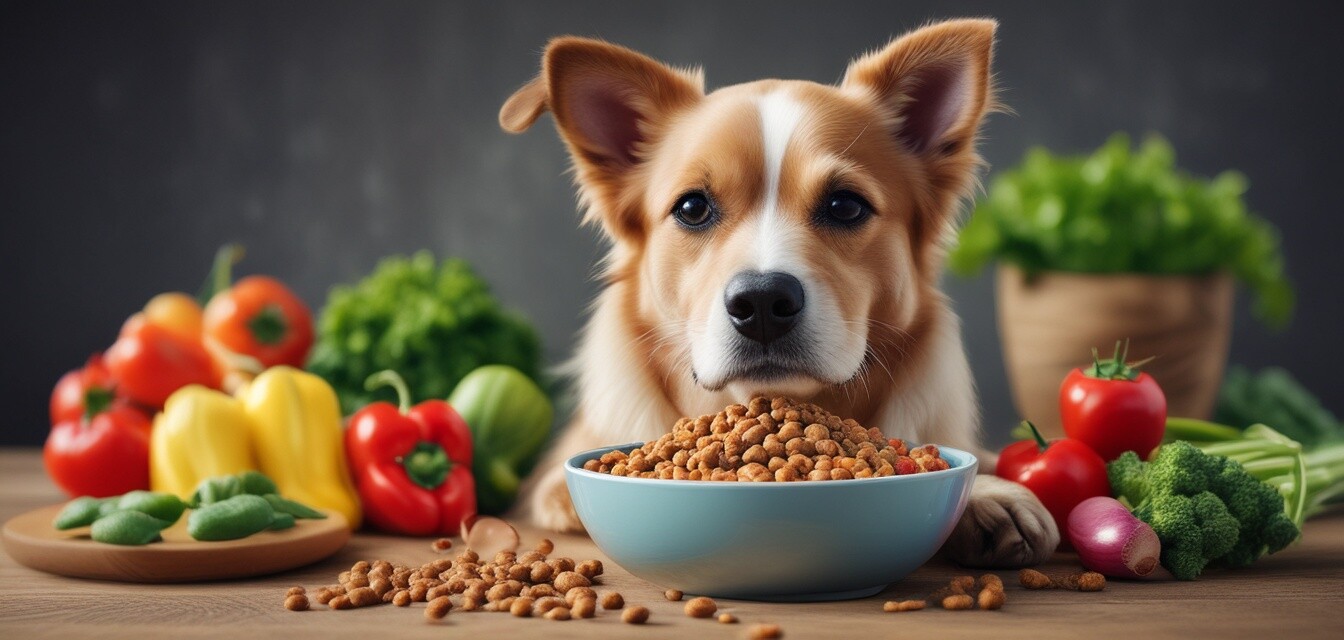
Handling picky eaters: How to transition to organic
Key Takeaways
- Understand your dog’s preferences: Know what flavors and textures your dog enjoys.
- Gradual transition: Slowly mix organic food with current food to enable a smooth shift.
- Consistency is key: Stick to a routine for feeding time and avoid giving in to non-organic treats.
- Monitor for allergies: Keep an eye out for any adverse reactions to the new food.
Transitioning a picky eater to organic dog food can seem challenging, but with the right strategies, it can be a smooth process. In this article, we will explore effective tips for making the switch without hassle. Adopting organic dog food not only promotes your pet’s health but can also lead to a more enjoyable eating experience.
Understanding picky eaters
Picky eaters are often dogs who have developed a specific palette or food preference due to previous eating habits. It’s vital to understand these preferences before making the switch to organic food. Here are some common reasons your pooch may be selective:
- Previous exposure to highly processed or flavored foods
- Texture preferences—some dogs prefer crunchy kibble over moist food
- In a routine that’s difficult to break—dogs thrive on consistency
Why choose organic dog food?
Organic dog food can provide an array of benefits, including:
- No artificial colors, flavors, or preservatives
- Fewer pesticides and chemicals, promoting overall health
- Higher quality ingredients that lead to better digestion
Health benefits of organic diets
While transitioning your dog to organic food, understanding the health benefits can motivate you to remain committed.
| Benefits | Description |
|---|---|
| Improved Digestion | Organic ingredients are often more digestible, making it easier for dogs to process their food. |
| Enhanced Energy Levels | Quality ingredients can lead to a more balanced energy that sustains playful moments. |
| Better Skin Health | Less exposure to harmful chemicals can improve skin conditions and coats. |
Steps to transition your picky eater to organic food
Making a gradual transition is essential for picky eaters. Here’s a step-by-step guide:
- Week 1: Start by mixing a small amount of organic food with your dog’s normal food. A ratio of 25% organic food to 75% regular food is recommended.
- Week 2: Increase the organic food to 50% and decrease the regular food to 50%.
- Week 3: Continue to adjust the ratios, raising organic food to 75%. Keep an eye on your pet’s reactions during this time.
- Week 4: By this point, you can try serving 100% organic if your dog seems to be adapting well.
Tips to make the transition smoother
Beginner’s tips for a hassle-free transition
- Warm the organic food slightly to enhance its smell and make it more appealing.
- Add a splash of low-sodium broth to entice your dog to try the new food.
- Serve during routine meal times to create a sense of normalcy.
- Be patient and positive. Your dog may need time to adjust.
What to watch out for during the transition
During the switching process, monitoring your dog’s health is crucial. Keep an eye out for:
- Gastrointestinal upset (vomiting or diarrhea)
- Changes in energy levels
- Signs of allergies, such as itching or scratching
Additional resources
For more information on selecting the right organic food and improving your dog’s overall health, check out our other related articles:
- Buying guides for organic dog food
- All-natural dog treats that pair well with organic food
- Exploring grain-free options
- Hypoallergenic dog food for sensitive stomachs
- More healthy living tips for your dog
Conclusion
Transitioning a picky eater to organic dog food doesn’t have to be daunting. By understanding your dog’s preferences and taking a gradual approach, you can make the shift easier for both of you. Remember, consistency and patience are vital for success.
Pros
- Healthier ingredients
- No artificial additives
- Better for the environment
Cons
- Can be more expensive
- Some dogs may take longer to adjust