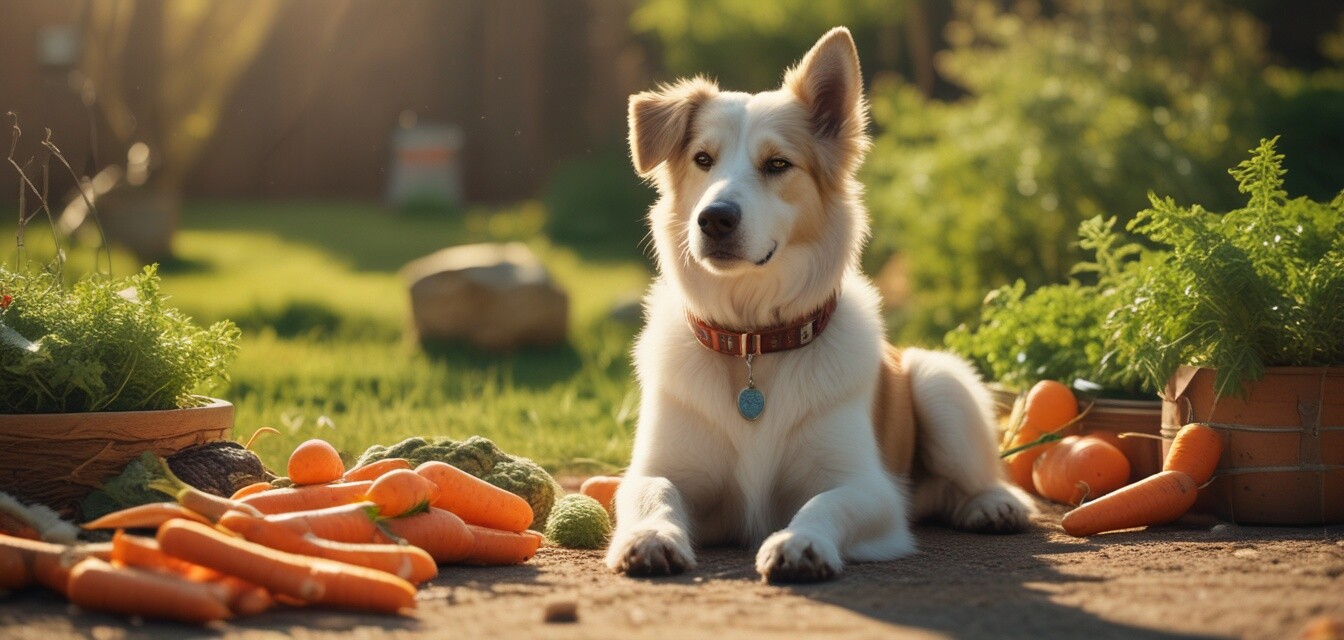
How organic food improves your dog's skin health
- Organic food can reduce skin irritations and allergies in dogs.
- A natural diet promotes a shinier and healthier coat.
- Organic ingredients offer essential fatty acids crucial for skin health.
- Feeding organic food supports overall well-being in dogs.
- Transitioning to an organic diet can benefit dogs of all ages.
As dog owners, we all want the best for our furry companions. One of the essential facets of our dog's health is their skin and coat condition. A healthy skin not only signifies a happy pup but also plays a pivotal role in their overall well-being. Switching to organic food has shown significant potential in enhancing skin health for dogs. In this article, we investigate how organic ingredients contribute to improving your dog’s skin condition, making them happier and healthier.
The impact of diet on dog skin health
Just like humans, a dog's skin condition is closely related to their diet. What goes into your dog's bowl can affect everything from their coat's shine to their susceptibility to skin irritations. Here’s a closer look at this connection:
| Diet Type | Skin Health Effects |
|---|---|
| Conventional Dog Food | May contain artificial additives that can irritate the skin. |
| Organic Dog Food | Naturally rich in nutrients that support healthy skin and coat. |
Key ingredients that improve skin health
Organic dog food often contains high-quality ingredients that are essential for skin health. Here are some key components:
- Essential Fatty Acids: Omega-3 and Omega-6 fatty acids are crucial for skin health, helping to maintain moisture and reducing inflammation.
- Antioxidants: Ingredients like blueberries and spinach provide antioxidants that help combat free radicals that can cause skin damage.
- High-quality Proteins: Organic proteins support cell repair and strengthen the skin, ensuring a healthy barrier against irritants.
- Whole Grains: These provide fiber which can help regulate digestion, directly impacting skin condition.
Benefits of switching to organic dog food
Choosing organic dog food comes with a multitude of benefits beyond just improving skin health. Here are some additional advantages:
- Fewer chemical residues: Organic foods are grown without harmful pesticides and artificial ingredients.
- Better nutrient absorption: Organic ingredients often lead to better digestion and improved health outcomes.
- Stronger immune system: A well-balanced diet helps boost your dog’s overall immunity.
- Support for local farming: Purchasing organic often involves supporting local farmers and sustainable practices.
Transitioning your dog to an organic diet
Making the switch to organic can be easy if done gradually. Here are some tips on transitioning your dog:
- Start with a mix: Gradually introduce organic food by mixing it with their current food.
- Monitor reactions: Watch for any allergic reactions or changes in digestion.
- Consult your vet: It's always wise to visit your veterinarian when changing your dog's diet.
- Stay consistent: Once you start the transition, try to stick with the organic food to see the best results.
Comparing Organic Food to Conventional Alternatives
| Feature | Organic Dog Food | Conventional Dog Food |
|---|---|---|
| Ingredients | No artificial additives; organic ingredients | Might include fillers and artificial preservatives |
| Nutritional Value | Higher nutritional integrity | Can vary widely |
| Allergen Levels | Lower allergen risk | Higher risk of allergens due to fillers |
| Environmental Impact | Better for the environment | More environmental contaminants |
Conclusion
In summary, switching your dog's diet to organic can offer numerous benefits, particularly for their skin and coat health. Organic dog food has the potential to reduce irritations, enhance sheen, and promote overall well-being. If you are considering making the switch, remember to consult with your veterinarian, take it slow, and monitor how your dog reacts to the new diet. For more insights into healthier food options, check out our all-natural dog treats and grain-free dog food categories.
Beginner Tips for Choosing Organic Dog Food
- Look for certifications: Check for organic certification on the packaging.
- Read ingredient labels: Ensure that the first ingredients are wholesome proteins and carbohydrates.
- Seek recommendations: Consult with dog owners who have experience with organic diets.
- Consider your dog's specific needs: Some dogs may require specific dietary adjustments.
Pros
- Improved skin health and coat condition
- Higher nutritional value and purity of ingredients
- Lower risk of allergens and irritants
- Support for sustainable farming
Cons
- Can be more expensive than conventional options
- Accessibility may be limited depending on location
- Transition period may cause temporary digestive issues