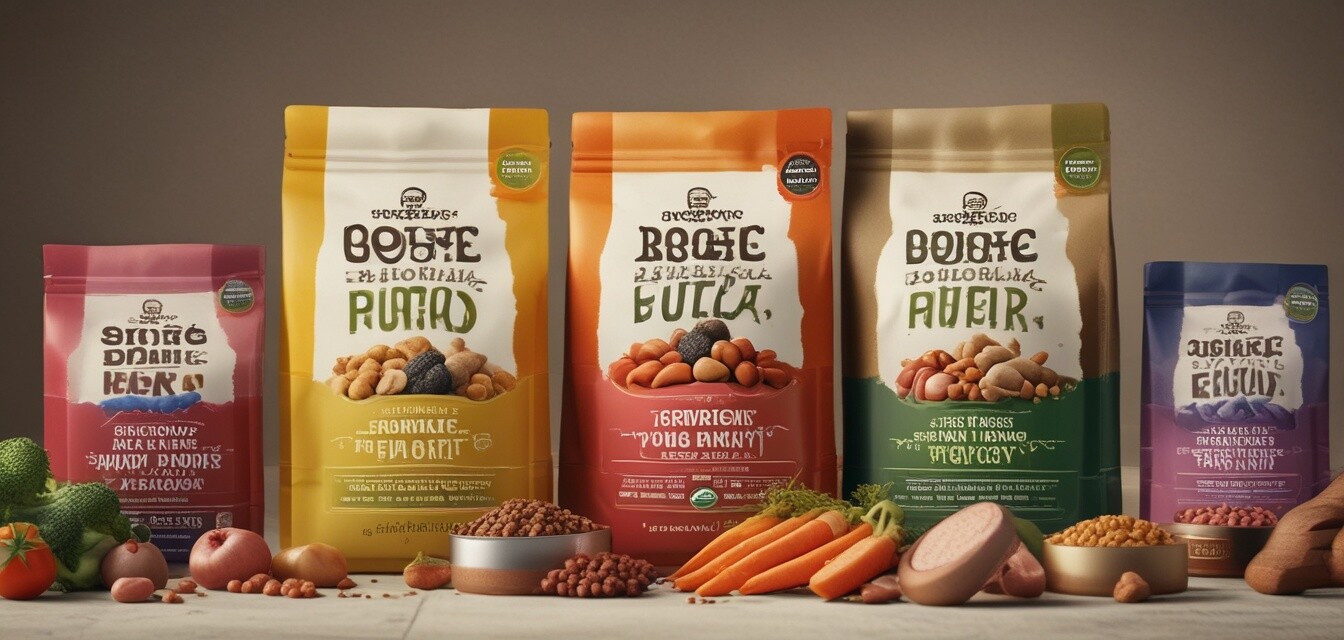
How to deal with allergies using organic dog food
- Understanding dog allergies and their symptoms is crucial.
- Organic dog food can be a suitable option for dogs with allergies.
- Introduce new foods gradually and monitor your dog’s reaction.
- Consult your veterinarian about specific dietary changes.
- Make informed choices by reading labels carefully.
Managing allergies in dogs can be a challenging task for pet owners. Allergies may arise from various factors, including environmental issues and diet. This article will guide you on how to effectively deal with allergies using organic dog food options, offering practical tips and considerations.
Understanding dog allergies
Allergies in dogs can manifest in many ways, and recognizing the signs is the first step towards helping your furry friend. Allergies may be triggered by certain ingredients in food, pollen, dust mites, or even fleas. Here are some common symptoms to watch for:
- Itchy skin and excessive scratching
- Red, inflamed skin
- Digestive issues such as vomiting or diarrhea
- Ear infections or ear inflammation
- Non-specific behavioral changes
Why choose organic dog food?
Organic dog foods are made from organic ingredients, which means they are grown without the use of synthetic pesticides, herbicides, or fertilizers. This can be beneficial for dogs with allergies for several reasons:
- Fewer chemicals: Organic foods are less likely to contain chemical residues that can cause sensitivities.
- High-quality ingredients: Organic dog food often consists of higher-quality proteins and carbohydrates.
- Non-GMO: Ensuring that food is free from genetically modified organisms can be important for some pet owners.
Choosing the right organic dog food
Not all organic dog foods are created equal. When selecting a food for your allergy-prone dog, consider the following:
- Read labels: Look for foods with limited ingredients to isolate potential allergens.
- Protein sources: Consider hypoallergenic protein sources like duck or fish.
- Avoid fillers: Stay away from foods with artificial flavors, colors, and fillers.
Popular ingredients in organic dog food
| Ingredient | Benefits |
|---|---|
| Brown rice | Good source of fiber; easy to digest. |
| Sweet potato | Nutrient-rich; offers vitamins and minerals. |
| Chicken | Excellent source of protein; usually well-accepted. |
| Quinoa | Gluten-free; contains essential amino acids. |
Introducing new food
When transitioning your dog to a new organic food, do it gradually. Here’s a simple plan:
- Start with 25% new food and 75% old food for the first few days.
- Add more new food over a week, gradually moving to 50% new and 50% old.
- After a week, you can aim for 75% new food and 25% old.
- Ultimately, feed 100% new food if your dog adjusts well without adverse reactions.
Consult your veterinarian
Before making any significant dietary changes, it’s always wise to consult with your veterinarian. They can guide you on selecting the right organic food that meets your dog’s specific needs and help address any potential health concerns.
Conclusion
Dealing with allergies in dogs may seem daunting, but with the right knowledge and products, you can help your furry friend lead a happier, healthier life. Organic dog food can be a valuable ally in managing allergies, providing balanced nutrition without harmful additives. Remember to monitor your dog's responses and consult professionals when in doubt.
Additional tips for managing dog allergies
- Regular grooming can help remove allergens from their coat.
- Keep your home clean and dust-free to reduce environmental triggers.
- Consider an air purifier to help with airborne allergens.
- Maintain a regular flea and tick prevention schedule.
Pros
- Organic dog foods promote a suitable diet for allergies.
- High-quality ingredients support overall health.
- Less likelihood of harmful contaminants.
Cons
- Organic dog food can be more expensive than traditional options.
- Some dogs may take longer to adjust to a new diet.
- Availability may vary based on location.
For more information on dog health and dietary tips, check out our Healthy Living Tips blog category or explore our range of organic dog food options like Grain-Free Dog Food and Hypoallergenic Dog Food.