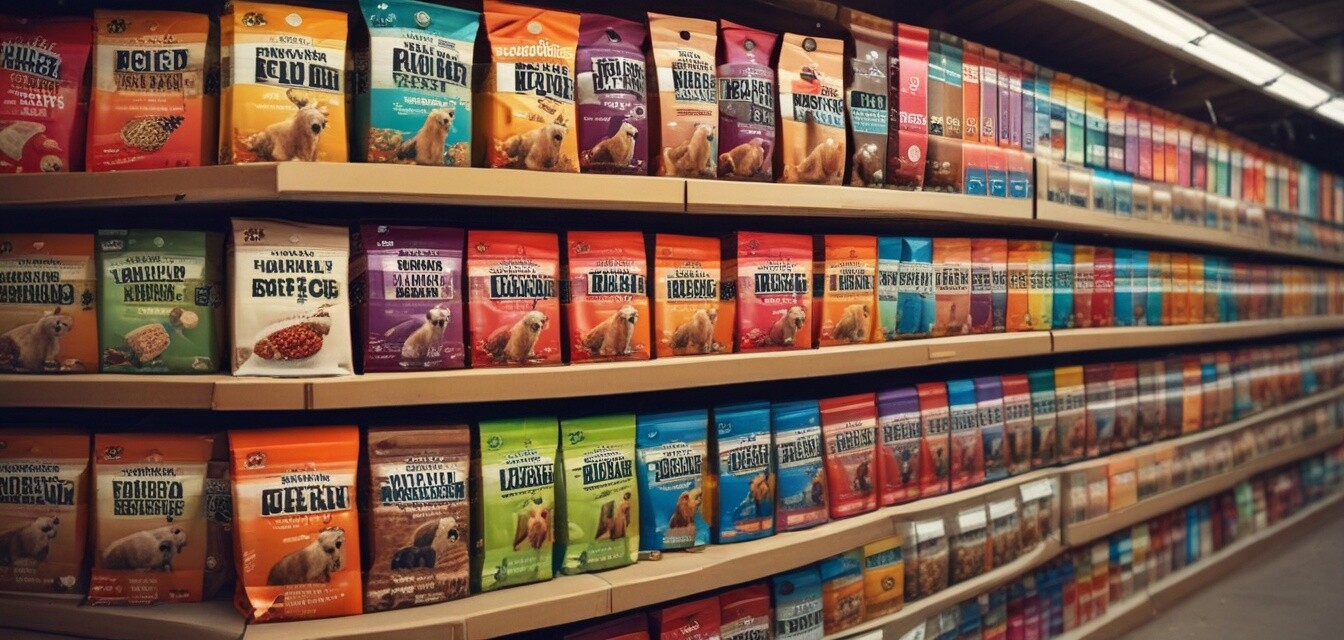
How to Spot Quality Organic Dog Food on Shelves
Key Takeaways
- Check for certification labels and ingredient quality.
- Understand the components of a balanced dog diet.
- Look for transparency in sourcing and production.
- Be wary of vague or misleading claims on labels.
- Don't overlook the importance of your dog's specific dietary needs.
Choosing the right food for your furry friend is essential for their overall health and well-being. Quality organic dog food can offer better nutrition through carefully selected ingredients. However, with so many options available, it can be challenging to identify which products are truly beneficial. In this guide, we will discuss how to spot quality organic dog food on store shelves and what key elements to look for on product labels.
What is organic dog food?
Organic dog food is made from ingredients that are grown and processed without the use of synthetic fertilizers, pesticides, or genetically modified organisms (GMOs). It emphasizes sustainability and animal welfare while providing high-quality nutrition. When evaluating organic dog food, keep the following criteria in mind:
Key Characteristics of Quality Organic Dog Food
| Characteristic | Description |
|---|---|
| Certification | Look for USDA Organic certification or similar credible certifications that ensure quality standards. |
| Ingredient list | Choose products with whole, recognizable ingredients listed at the top of the ingredient list. |
| Protein sources | High-quality organic dog food should contain named protein sources like chicken, beef, or fish. |
| Grain quality | If grains are included, they should be whole grains and preferably organic. |
| No fillers | Avoid foods that contain fillers like corn, soy, or artificial additives. |
Understanding Product Labels
Reading labels can provide valuable insight into the quality of the dog food you’re considering. Here are some tips on how to interpret these labels effectively:
- First ingredient: The first ingredient should ideally be a high-quality protein source.
- Ingredient source: Look for clear sourcing, such as “locally sourced” or “grass-fed,” to ensure quality.
- Guaranteed analysis: Check the guaranteed analysis for protein, fat, and fiber content to ensure a balanced diet.
- Expirations dates: Always verify the expiration date to ensure freshness.
- Feeding guide: A well-defined feeding guide can help you understand the right portion sizes for your dog.
Common Misleading Labels to Watch For
Marketing can sometimes hide what's really in the product. Here are some terms that might sound good but may not indicate quality:
- Natural: This term does not mean the food is organic. It merely implies that the food is minimally processed.
- Premium: This label does not necessarily guarantee higher quality ingredients or nutrition.
- Vet recommended: This can be misleading as it might only mean that a vet may carry the product, not necessarily endorse it for quality.
Finding Trusted Brands
Once you know what to look for, here are some tips for finding reputable brands:
- Research online for reviews and recommendations on organic dog food.
- Check for compliance with industry standards and government regulations.
- Ask your veterinarian about their top picks for organic dog food.
- Consider brands that provide transparency in their sourcing and manufacturing processes.
- Engage in pet owner communities to discuss experiences with different brands.
Where to Buy Quality Organic Dog Food
Quality organic dog food can often be found in various locations. Here is where to look:
- Pet specialty stores often have a curated selection of organic options.
- Online retailers can offer a broader range with customer reviews to guide your choices.
- Local farmers’ markets may host vendors that produce organic pet food.
- Grocery stores with organic sections might also carry reputable brands.
Conclusion
Spotting quality organic dog food on shelves requires a keen eye and an understanding of what makes a product genuinely beneficial. By examining ingredient lists, understanding product labels, and being aware of common marketing tactics, you can make informed choices that align with your dog’s dietary needs. Remember, quality nutrition goes a long way in promoting a long, vibrant, and healthy life for your furry companions. For more tips on optimizing your dog's diet, check out our Healthy Living Tips category.
Pros
- Higher nutritional value from quality ingredients.
- Traceable sourcing for transparency.
- Supports sustainable agricultural practices.
- Potentially fewer allergens with organic grains and proteins.
Cons
- Higher price point compared to conventional dog food.
- Limited availability in some areas.
- Not all brands maintain consistent quality.
- Organic does not always equal better for every dog.