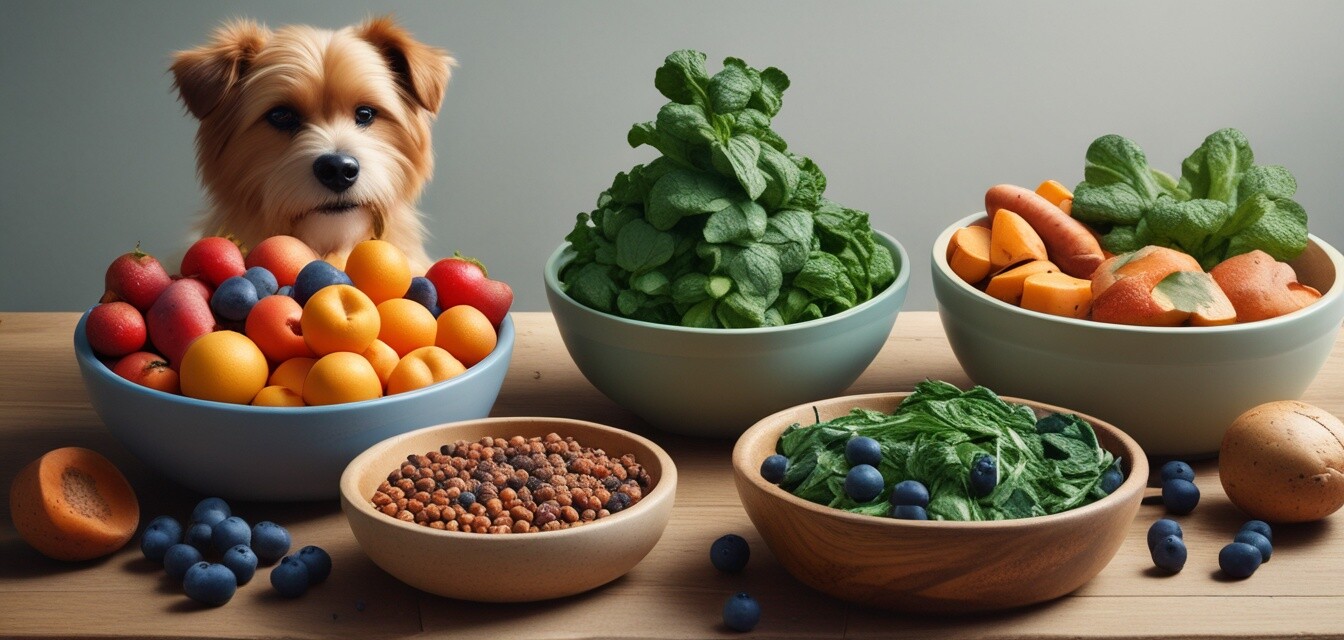
The Importance of Antioxidants in Your Dog’s Diet
- Antioxidants play a vital role in maintaining your dog’s health.
- Organic diets are rich in natural sources of antioxidants.
- Key antioxidants include vitamins A, C, and E, and flavonoids.
- Incorporating a variety of antioxidant-rich foods can enhance your dog's overall well-being.
- Consulting with your veterinarian can help in choosing the best diet for your dog.
As pet owners, we all want the best for our furry friends, including their diet. One essential component of canine nutrition is antioxidants. These powerful nutrients are crucial for promoting health and longevity in dogs. In this article, we will explore the role of antioxidants in your dog's health and how organic diets provide these essential nutrients.
What are antioxidants?
Antioxidants are compounds that help protect cells from damage caused by free radicals, which are unstable molecules that can lead to chronic diseases. They neutralize free radicals, reducing oxidative stress and inflammation within your dog's body. This protective effect is why antioxidants are crucial for your dog’s overall health.
Key antioxidants for dogs
Several types of antioxidants are especially important in your dog's diet:
- Vitamins A, C, and E: These vitamins are well-researched antioxidants. Vitamin A helps maintain vision, while Vitamin C supports overall immune function. Vitamin E is vital for skin and coat health.
- Flavonoids: These are found in various fruits and vegetables like blueberries and leafy greens. They help protect cells and fortify the immune system.
- Selenium: This mineral acts as an antioxidant and is essential for proper immune function and metabolism.
How do antioxidants benefit your dog?
Incorporating antioxidants into your dog's diet can lead to numerous positive effects:
- Enhanced immune system: Antioxidants support a robust immune response, keeping your dog healthy and active.
- Improved cognitive function: Antioxidants like vitamins C and E can help protect brain cells, potentially helping with cognitive aging.
- Healthier skin and coat: Antioxidants can improve skin health and promote a shiny coat while reducing inflammatory skin conditions.
- Joint health support: Some studies suggest that antioxidants may help reduce inflammation in joints, benefiting dogs with arthritis.
Organic diets and antioxidants
Choosing an organic diet for your dog can significantly increase their intake of antioxidants. Organic fruits and vegetables are grown without synthetic pesticides and fertilizers, potentially leading to higher antioxidant levels.
Common antioxidant-rich organic foods
| Food Item | Antioxidant Compounds |
|---|---|
| Blueberries | Flavonoids |
| Spinach | Vitamins A, C, and E |
| Sweet Potatoes | Beta-carotene |
| Carrots | Beta-carotene |
| Broccoli | Vitamins C and E |
How to incorporate antioxidants into your dog’s diet
Here are some effective ways to boost antioxidants in your dog’s diet:
- Choose high-quality dog food: Look for brands that emphasize organic ingredients and mention antioxidants on their labels.
- Introduce fresh fruits and vegetables: Add small amounts of safe, dog-friendly fruits and veggies to your dog’s meals. Always ensure they're suitable for canines.
- Consult with a veterinarian: Your vet can provide tailored advice on the best antioxidant-rich ingredients to include in your dog’s diet.
Conclusion
Ensuring that your dog gets enough antioxidants through their diet is essential for maintaining their overall health. Organic dog food and incorporating fresh fruits and vegetables can help provide these necessary nutrients. Remember to consult with your veterinarian about any dietary changes you plan to make. Investing in your dog's nutrition is vital for their happiness and well-being.
Tips for getting started with antioxidants
- Start slow: Introduce new foods gradually to monitor for allergies or sensitivities.
- Maintain a balanced diet: Ensure that your dog's diet remains balanced and nutritious.
- Stay informed: Keep learning about the best practices in canine nutrition.
Pros
- Boosts immune health
- Promotes healthy skin and coat
- Supports cognitive function
- May help with joint health
Cons
- Can be more expensive than non-organic foods
- Some dogs may have dietary restrictions
- Requires careful monitoring of food sources
For more information on providing the best for your dog, explore our Buying Guides or check out our tips for a Healthy Living Tips.