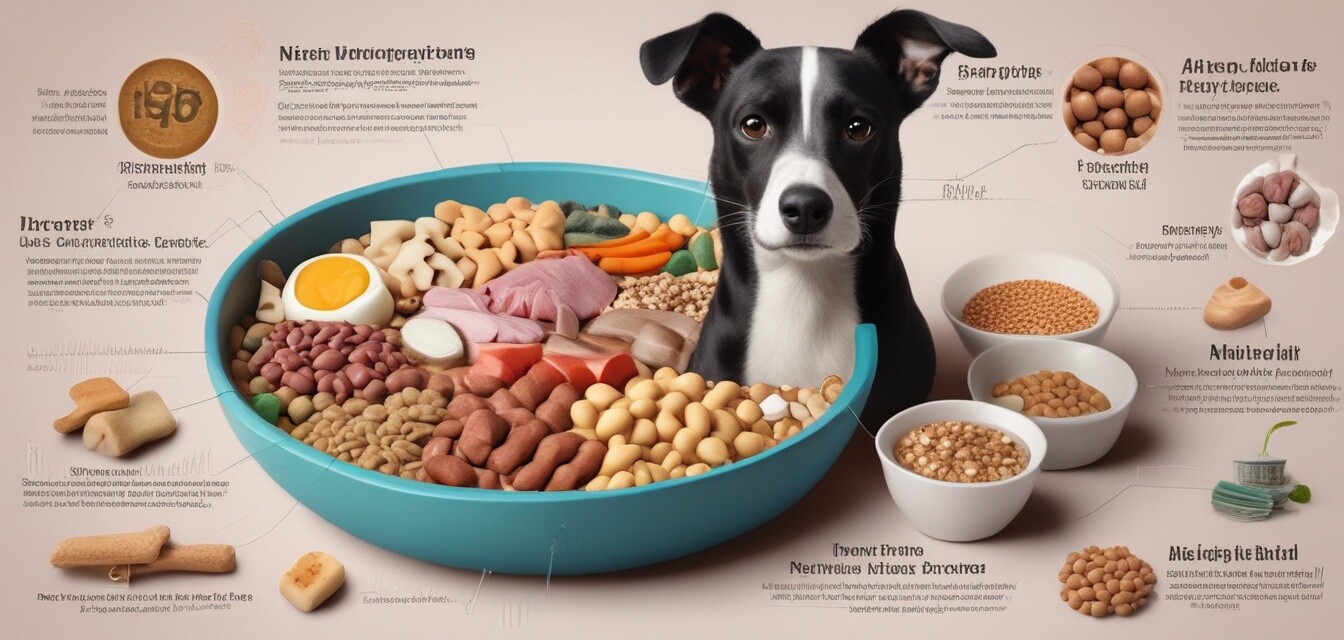
Organic Dog Food Ingredients: What to Avoid
Key Takeaways
- Understanding harmful ingredients is essential for your pet's health.
- Avoid synthetic additives and low-quality fillers in dog food.
- Prioritize organic ingredients for a balanced diet.
Choosing the right food for your dog is crucial for their well-being and longevity. While many brands market themselves as premium, understanding what goes into your dog’s food can help you make informed decisions. In this article, we will explore the harmful ingredients often found in non-organic dog foods and how to steer clear of them.
Common harmful ingredients to avoid
| Ingredient | Why to Avoid |
|---|---|
| Artificial preservatives | These can lead to health issues over time, including allergies. |
| By-products | They are low-quality ingredients that provide little nutritional value. |
| Fillers (corn, soy, wheat) | These ingredients offer little to no nutritional benefits and can lead to food allergies. |
| Artificial flavors/colors | The purpose is to enhance appearance and smell, not for health benefits. |
| Meat meals | These can contain unspecified animal parts and lack clear nutritional value. |
| High fructose corn syrup | Often used as a sweetener, it's unhealthy and contributes to obesity. |
Benefits of choosing organic dog food
- Made from high-quality ingredients that are free from harmful chemicals.
- Promotes better overall health and energy in your pets.
- Supports environmental sustainability through responsible farming practices.
Understanding organic labels
Reading labels can be tricky, especially with varying definitions of "natural" and "organic." Here’s what you should look for when shopping:
- Look for USDA Organic seal to ensure at least 95% of ingredients are organic.
- Avoid foods labeled “natural” without further certification, as they may not meet organic standards.
- Check for ingredient sourcing; reputable brands will share where their ingredients come from.
How to educate yourself on dog food ingredients
Knowing what’s in your dog’s food is just a step away. Here are some tips:
Beginner's Section: Tips for Choosing Safe Dog Food
- Research brands: Look for reviews and recommendations on organic dog food.
- Consult your vet: They can provide guidance on what to look for in dog food.
- Avoid trendy options: Stick with well-established brands that focus on quality and safety.
Consider making your own dog food
If you're uncertain about pre-packaged foods, home-cooked meals can provide complete control over your dog's diet. Ensuring a mix of proteins, grains, vegetables, and supplements can create a wholesome meal. Always consult your veterinarian before making drastic changes to your dog's diet.
Pros of Organic Dog Food
- Higher quality ingredients leading to better digestion.
- Reduced exposure to harmful chemicals.
- Improved energy levels and overall health.
Cons of Organic Dog Food
- Often more expensive than conventional options.
- Limited availability in some areas.
- Some dogs may take time to adjust to new food.
Conclusion
Being an informed pet owner means understanding what you are feeding your dog. Organic dog food often offers a safer and healthier alternative to conventional brands, steering clear of harmful ingredients and additives. Always read labels carefully, and consult with your veterinarian to ensure your furry friend is on the path to a healthier, happier life. For more insights on selecting the right dog food, explore our Buying Guides section.
Further Reading
If you are looking for additional tips and information on pet nutrition, check out our articles on: