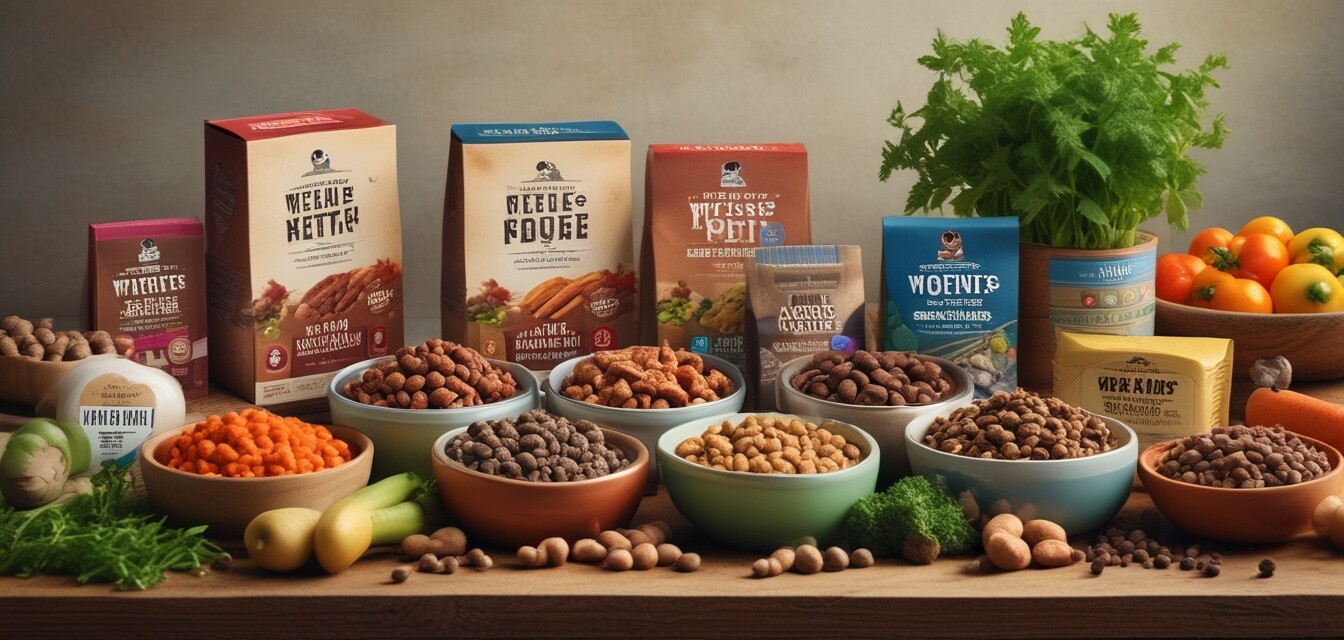
Preparing Your Dog for a Transition to Organic Food
Key Takeaways
- Gradual transition to organic dog food is crucial for digestive comfort.
- Pay attention to your dog’s reactions during the transition period.
- Choosing high-quality organic food can lead to long-term health benefits for your pet.
- Consult with a veterinarian before changing your dog's diet.
- Be patient and understand that some dogs may take longer to adjust than others.
As pet owners, we always want what’s best for our furry friends. Transitioning to organic food can be a health-enhancing choice for your dog. However, approaching this change thoughtfully is essential to ensure your pet adjusts smoothly. This guide will provide you with a step-by-step process for preparing your dog for a diet change, plus tips for maintaining their comfort during the transition.
Why Consider Organic Dog Food?
Organic dog food can offer numerous advantages over conventional options. With a focus on natural ingredients, free from artificial additives and fillers, organic choices are gaining popularity among pet owners. These foods can be particularly beneficial for dogs that have food sensitivities or allergies.
Benefits of Organic Dog Food
- No artificial preservatives, colors, or flavors.
- Higher nutritional value often found in organic ingredients.
- Sustainably sourced ingredients which can be better for the environment.
- Potential improvement in coat condition and overall vitality.
Steps to Transition Your Dog to Organic Food
Transitioning your dog to organic food involves a gradual process that allows their digestive system to adjust. Here’s a detailed plan to help facilitate this transition:
| Week | Daily Transition Plan |
|---|---|
| 1 | Start by mixing 25% organic food with 75% current food. |
| 2 | Increase to a 50/50 mixture of organic and current food. |
| 3 | Change the mix to 75% organic food and 25% current food. |
| 4 | Transition to 100% organic food. |
Monitor Your Dog's Response
As you make the transition to organic food, it's important to monitor your dog's responses closely. Look out for:
- Any signs of gastrointestinal distress, such as vomiting or diarrhea.
- Changes in appetite or energy levels.
- Skin or coat changes that indicate positive or negative reactions.
If any significant issues arise, consult your veterinarian for advice. They may suggest slowing down the transition or evaluating food choices.
Understanding Ingredient Labels
When choosing organic dog food, it is essential to understand the ingredient labels. Look for the following key aspects:
Tips for Choosing Organic Dog Food
- Ensure it is verified organic by a recognized body.
- Check for meat as the first ingredient, with named sources.
- Be cautious of fillers like corn and soy, which can be unhealthy.
- Choose foods with a high percentage of whole ingredients.
Common Misconceptions About Organic Dog Food
Many myths exist surrounding organic dog food. Here are some truths that clarify these misconceptions:
- Myth: Organic dog food is only for dogs with allergies.
- Fact: All dogs can benefit from organic options.
- Myth: Organic dog food is more expensive and not worth it.
- Fact: The price reflects quality; many owners find it justifiable for better health.
Consult with Your Veterinarian
One of the best steps you can take when changing your dog’s diet is to talk to your veterinarian. They can guide you based on your dog's specific health needs and dietary requirements. Additionally, they may suggest the best brands available in the market.
Conclusion
Transitioning your dog to organic food can be a significant improvement in their diet. By approaching the change thoughtfully, paying attention to your dog's reactions, and making informed choices, you can enhance their overall well-being. Remember, this process is not just about making a dietary switch but ensuring a smooth transition that respects your dog's digestive system and health.
Pros
- Natural ingredients promote a healthier diet.
- Reduced exposure to harmful chemicals.
- Improved overall health in many cases.
Cons
- Higher cost compared to non-organic options.
- Some dogs may take longer to adapt.
- Limited availability in certain areas.
For more tips on selecting the right food for your pet, check out our guide on Buying Guides.
Additionally, if you're interested in all-natural alternatives, you can explore our section on All-Natural Dog Treats.