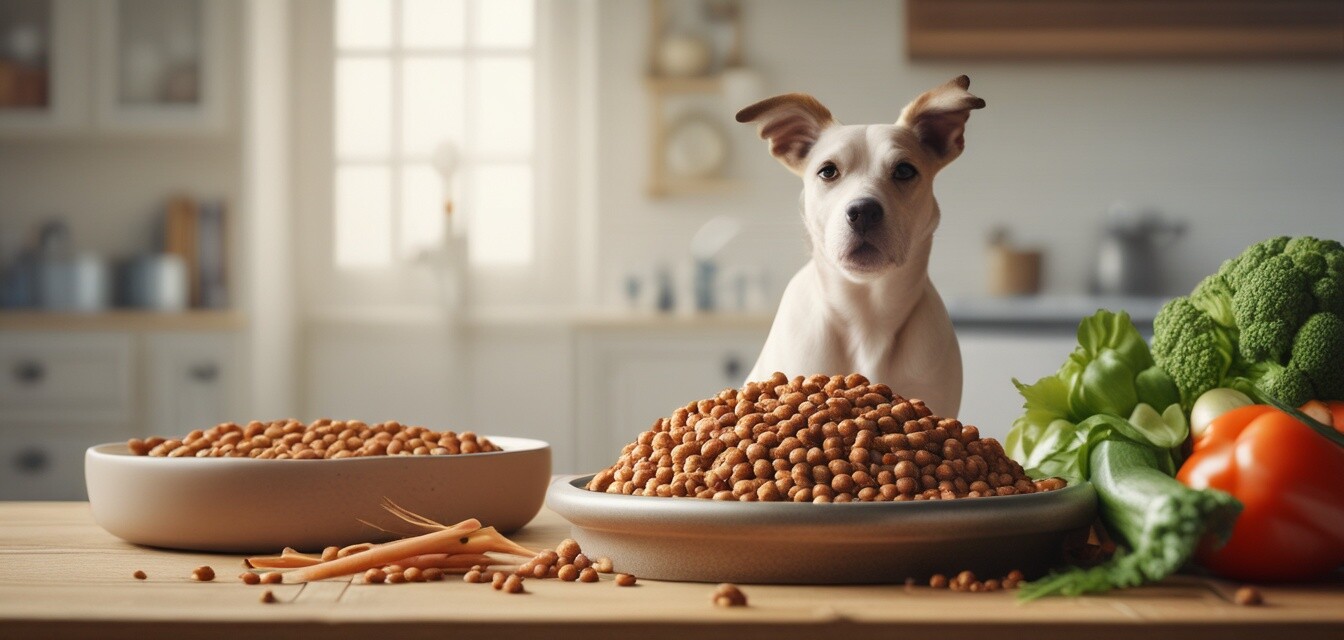
Preventing Obesity in Dogs: The Role of Organic Nutrition
Key Takeaways
- Organic nutrition helps maintain a healthy weight for dogs.
- Proper portion control and nutritional balance are essential.
- Regular exercise complements a healthy diet in preventing obesity.
- Consulting with a veterinarian can provide tailored dietary plans.
As pet owners, ensuring the health and well-being of our furry companions is a top priority. One of the critical aspects of canine health is nutrition, especially in preventing obesity. This article explores how organic dog food plays a significant role in maintaining a healthy weight and promoting an active lifestyle for dogs.
Understanding canine obesity
Canine obesity is a growing concern among pet owners and veterinary professionals. Just like in humans, excessive weight in dogs can lead to various health problems. These may include diabetes, joint issues, and heart problems. Understanding the factors that contribute to obesity is the first step towards prevention.
Factors contributing to obesity in dogs
- Overfeeding: Providing more food than necessary can lead to overweight dogs.
- Lack of Exercise: Insufficient physical activity contributes heavily to weight gain.
- Genetics: Some breeds are more prone to obesity due to their genetic makeup.
- Medical Conditions: Certain health issues can cause weight gain.
The importance of organic nutrition
Organic dog food is becoming increasingly popular among pet owners for various reasons, especially for its potential health benefits. Organic ingredients are often free from harmful additives and chemicals, providing a more balanced diet for dogs.
Benefits of organic dog food
- Higher Nutritional Value: Organic foods are often richer in nutrients, supporting overall health.
- Reduced Risk of Allergies: Fewer additives can mean fewer allergic reactions.
- Quality Ingredients: Organic foods typically use high-quality, natural ingredients.
- Support for Weight Management: Balanced organic diets can help manage weight effectively.
Portion control in preventing obesity
Even with the best organic dog food, portion control plays a pivotal role in weight management. Here are some tips:
Tips for portion control
- Follow the feeding guidelines provided on the organic dog food package.
- Adjust portions based on your dog's activity level.
- Use a measuring cup to ensure accurate serving sizes.
- Avoid free-feeding; instead, set specific meal times.
The role of exercise in a dog's diet
While nutrition is essential, it's not the only factor in preventing obesity in dogs. Exercise plays a crucial role in maintaining a healthy weight and overall well-being. Regular physical activity promotes muscle development and burns calories.
Recommended exercises for dogs
| Activity | Duration | Benefits |
|---|---|---|
| Walking | 30 minutes | Improves cardiovascular health |
| Fetch | 20 minutes | Builds stamina and agility |
| Agility training | 15 minutes | Enhances coordination and focus |
Consulting with a veterinarian
Every dog is unique, and what works for one might not work for another. Consulting with a veterinarian can be instrumental in tailoring a diet plan that fits your dog's specific needs. They can help assess your dog’s weight and recommend suitable organic products along with portions and exercise routines.
Conclusion
Preventing obesity in dogs is essential for their overall health. By adopting an organic nutrition approach combined with consistent exercise and portion control, you can help your furry friend maintain a healthy weight. Always seek the guidance of a veterinarian for customized advice.
Pros
- Supports a healthy weight in dogs.
- Fresh, high-quality ingredients improve overall health.
- Reduces the risk of obesity-related diseases.
Cons
- May be more expensive than traditional dog food.
- Not all dogs may take to organic food immediately.
- Limited availability in some regions.
For more tips on enhancing your dog's diet and lifestyle, explore our other resources, including buying guides and healthy living tips.