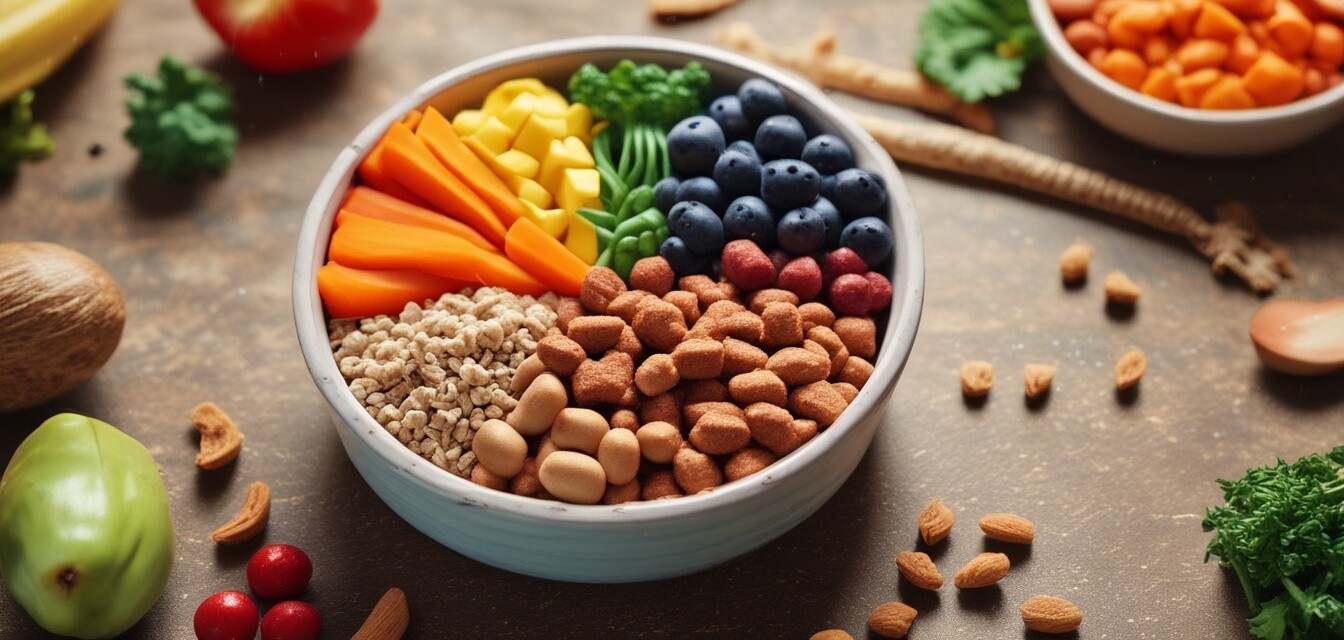
The Role of Fiber in Your Dog's Organic Diet
Key Takeaways
- Fiber is crucial for digestive health in dogs.
- Organic foods can provide high-quality sources of fiber.
- Different types of fiber offer various benefits for your dog's health.
- Incorporating fiber into your dog's diet can aid in weight management.
- Consulting with your veterinarian can help tailor your dog's dietary needs.
As a pet owner, understanding what your dog needs for a healthy and balanced diet is crucial. One essential nutrient that is often overlooked is fiber. This article will delve into the importance of fiber in your dog's diet, focusing on how organic foods can deliver these vital nutrients.
What is fiber?
Fiber is a type of carbohydrate that is not digestible, acting as a bulking agent in the digestive system. While many may think of fiber solely in the context of human diets, it plays a significant role in canine nutrition, too. There are two main types of fiber:
- Soluble Fiber: Dissolves in water, forming a gel-like substance that aids in digestion and can help regulate blood sugar levels.
- Insoluble Fiber: Does not dissolve in water and adds bulk to the stool, promoting regular bowel movements.
Benefits of fiber in your dog’s diet
Fiber offers numerous health benefits for dogs, making it a vital component of their diet. Here are some key advantages:
- Improves Digestive Health: Fiber helps in stabilizing bowel movements and preventing constipation.
- Weight Management: A diet high in fiber can promote satiety, helping dogs maintain a healthy weight.
- Regulates Blood Sugar Levels: Soluble fiber can slow down glucose absorption in the bloodstream.
- Supports Healthy Gut Bacteria: Fiber serves as a prebiotic, promoting beneficial bacteria in the digestive system.
How do organic foods contribute to fiber intake?
Choosing organic foods for your dog's diet can enhance fiber intake through high-quality ingredients that are free from pesticides and additives. Let’s explore some fiber-rich organic food sources:
| Organic Food | Type of Fiber | Benefits |
|---|---|---|
| Carrots | Insoluble Fiber | Promotes healthy digestion. |
| Brown Rice | Soluble Fiber | Helps with blood sugar regulation. |
| Oats | Soluble and Insoluble Fiber | Supports healthy gut bacteria and digestion. |
| Sweet Potatoes | Soluble Fiber | Enhances nutrient absorption. |
| Pumpkin | Soluble Fiber | Promotes regular bowel movements. |
How much fiber does your dog need?
The amount of fiber your dog requires can vary based on age, breed, and health conditions. As a general guideline:
- Puppies typically need 2-4% fiber.
- Adult dogs should have around 2-5% fiber in their diet.
- Senior dogs or those requiring weight management may benefit from 4-8% fiber.
Integrating fiber into your dog’s meals
When feeding your dog organic foods, consider incorporating them gradually to avoid gastrointestinal upset. Here are tips to make it easy:
Tips for adding fiber to your dog's diet
- Start slowly: Introduce new fiber sources gradually over a week.
- Mix with existing food: Incorporate fiber-rich foods into your dog's meals for better acceptance.
- Keep monitoring: Watch for changes in stool consistency and energy levels.
- Consult your veterinarian: They can provide specific recommendations for your dog's needs.
Conclusion
Fiber is an essential component of your dog's diet that supports digestive health and overall well-being. By choosing high-quality organic foods, you can ensure that your dog gets the necessary nutrients while enjoying delicious meals. For more information on optimizing your dog’s nutrition, check out our Buying Guides or learn about All-Natural Dog Treats that can complement their diet.
Pros
- Improves digestive health
- Aids in weight management
- Supports healthy gut function
- Enhances nutrient absorption
Cons
- Excessive fiber can cause bloating
- Some dogs may have sensitivities