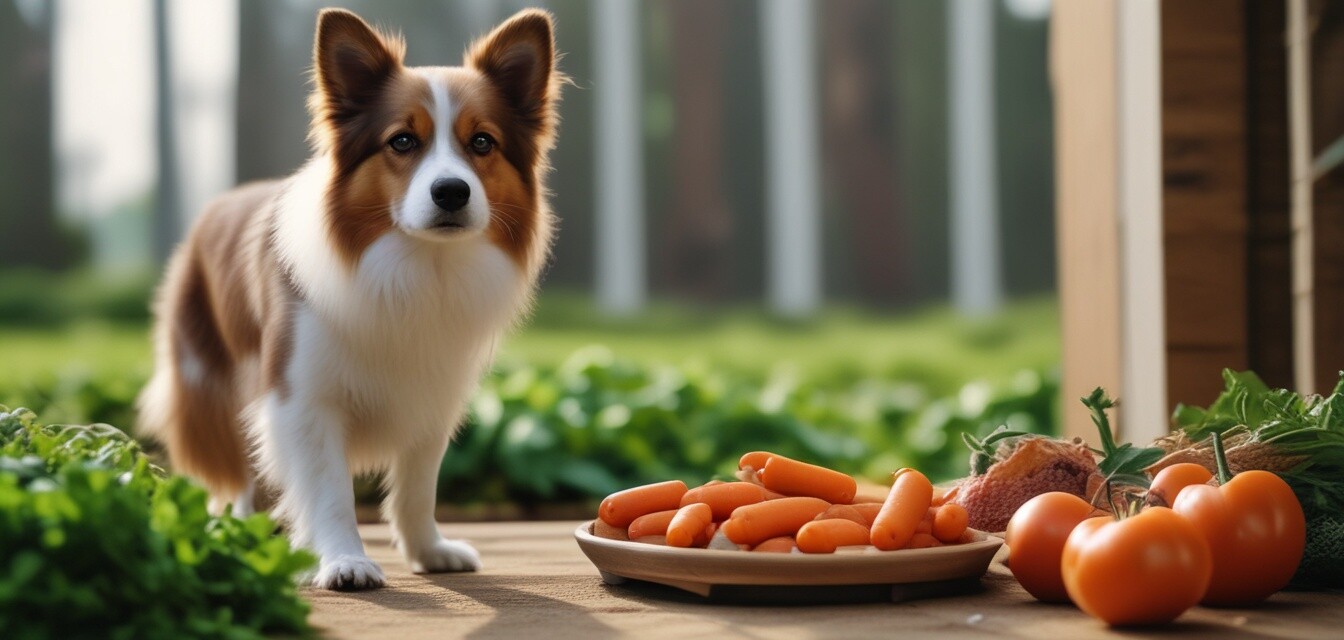
Signs your dog needs to switch to organic food
As pet owners, it is our responsibility to ensure that our furry friends are receiving the best nutrition possible. Switching your dog's diet to organic food can benefit their health and well-being. In this article, we will explore the signs that indicate your dog may need to transition to an organic diet.
Key Takeaways
- Observe physical symptoms such as allergies, skin issues, and digestion problems.
- Changes in energy levels and behavior may indicate a need for better nutrition.
- Organic food can be beneficial in improving overall health and wellness.
Why consider organic food for your dog?
Organic dog food is made from ingredients that are free from synthetic fertilizers, pesticides, and artificial additives. Choosing organic means providing your dog with a more natural and wholesome diet. Some common reasons to consider an organic diet for your dog are:
- Less exposure to potentially harmful substances.
- Better quality ingredients that can lead to improved health.
- A reduced risk of allergies and sensitivities.
Signs your dog may need to switch to organic food
Here are some signs to look out for that may indicate your dog needs a change in diet:
| Signs | Possible Implications |
|---|---|
| Frequent digestive issues | Food intolerances or low-quality ingredients |
| Skin allergies or irritations | Reaction to chemicals or additives in food |
| Low energy levels | Poor nutrition affecting vitality |
| Excessive itching or scratching | Environmental or dietary allergens |
| Poor coat condition | Quality of ingredients affecting skin and coat health |
Understanding your dog’s health
Keeping an eye on your dog's health is crucial. Noticing changes in behavior, appetite, and physical condition can help you make informed decisions about their diet. Here are some questions to consider:
- Does your dog seem more lethargic than usual?
- Are they experiencing any joint pain or stiffness?
- How often do they experience gastrointestinal upset?
Additional benefits of switching to organic food
Choosing organic dog food can also offer several other advantages:
- Improved digestion: Organic ingredients are easier to digest and are less likely to cause upset stomachs.
- Stronger immune system: A diet high in quality nutrients can aid in supporting your dog’s immune response.
- Less environmental impact: Organic farming practices are often more sustainable and less harmful to the environment.
How to transition your dog to organic food
When switching to an organic diet, it's essential to do so gradually to avoid upsetting their stomach. Follow these steps:
- Start by mixing a small amount of organic food with their current diet.
- Gradually increase the proportion of organic food over a week or two.
- Monitor your dog for any signs of digestive upset during the transition.
Consulting with your vet
Before making any changes to your dog’s diet, it's advisable to consult with a veterinarian. They can provide valuable insights based on your dog's individual health needs. Make sure to ask your vet about:
- Specific dietary requirements based on your dog's breed and age.
- Any potential risks associated with changing their diet.
- Recommendations for high-quality organic brands.
Don't hesitate to explore more information on buying guides to help you choose the right organic food.
Pros
- Higher nutritional value
- Fewer allergens
- Better taste
Cons
- Cost can be higher
- Availability in certain areas may be limited
Conclusion
Switching to organic food can significantly impact your dog's health and well-being. By staying vigilant and noticing any signs that your dog needs a change in diet, you can ensure they continue to lead a happy, healthy life. Explore our selection of organic options under our Organic Puppy Food or our Grain-Free Dog Food categories to start your dog's journey towards a healthier diet.