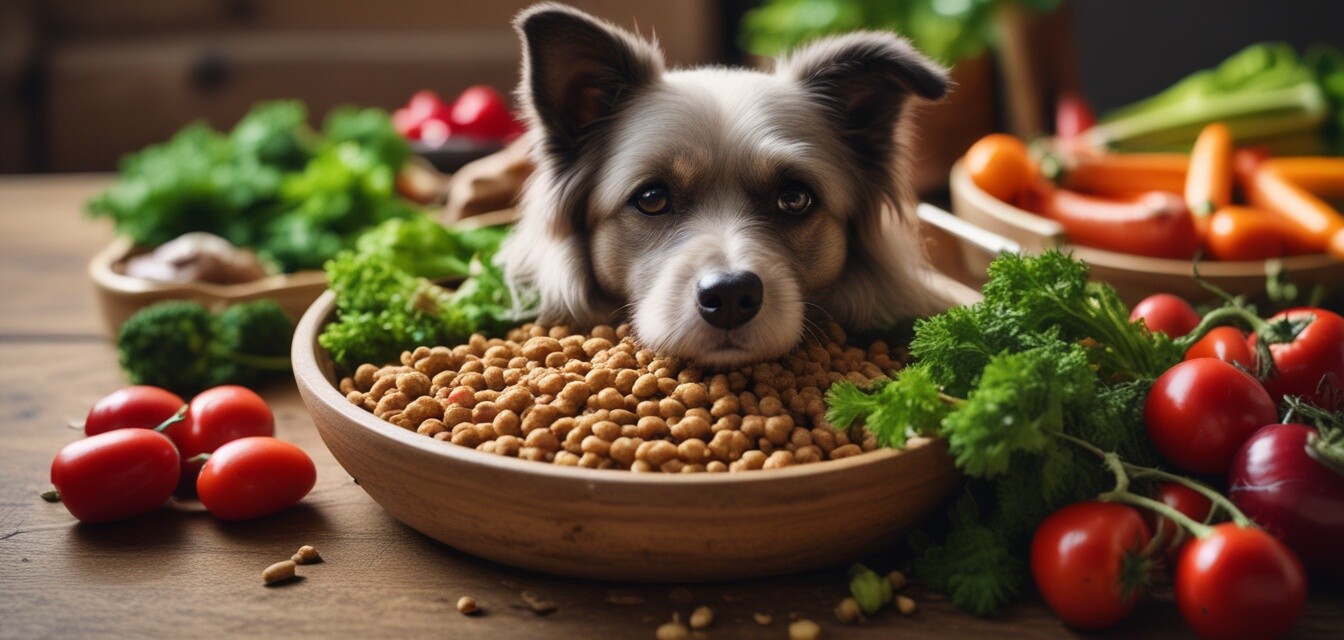
Supporting Your Dog's Joint Health with Organic Nutrition
Key Takeaways
- Organic nutrition is vital for maintaining joint health in dogs.
- Omega fatty acids and antioxidants play significant roles in joint support.
- Regular vet check-ups can enhance your dog’s well-being.
- Age and weight should be considered when choosing organic foods.
- Incorporating natural supplements can provide additional support.
As responsible pet owners, we always strive to provide our furry companions with the best possible care. One of the crucial aspects of dog health is joint health, which can be significantly influenced by their nutrition. In this article, we will explore how organic nutrition can support your dog's joint health and improve their overall well-being, regardless of age.
Why joint health matters
Just like humans, dogs can experience joint issues as they age or due to physical activity levels. Joint problems can lead to pain, decreased mobility, and a diminished quality of life. By understanding how nutrition, especially organic nutrition, can help in maintaining and supporting joint health, you can make informed choices for your canine friend.
The role of organic nutrition
Organic nutrition emphasizes the use of natural ingredients without harmful additives or chemicals. This type of diet not only supports joint health but also promotes overall vitality in dogs. Here are some key nutrients found in organic foods that are essential for joint support:
| Nutrient | Description | Sources |
|---|---|---|
| Omega-3 Fatty Acids | Reduce inflammation and support joint lubrication. | Fish oil, flaxseeds, and chia seeds. |
| Glucosamine | Supports cartilage health and regeneration. | Shellfish and specific plant sources. |
| Antioxidants | Combat oxidative stress and inflammation. | Blueberries, spinach, and carrots. |
| Vitamin C | Contributes to collagen production, vital for cartilage. | Citrus fruits and bell peppers. |
Incorporating organic nutrition into your dog's diet
Transitioning to an organic diet doesn't have to be overwhelming. Here are some tips on incorporating organic nutrition into your dog's meals:
- Start slowly: Gradually mix organic food with your dog's current diet to avoid digestive issues.
- Select high-quality brands: Research brands that use certified organic ingredients and have good reputations.
- Consider wet and dry options: Both can provide nutritional benefits; mix and match based on your dog's preferences.
- Add natural supplements: Consult with your vet about joint-specific supplements that are organic and effective.
- Monitor your dog's response: Watch for any changes in energy level or mobility and adjust the diet accordingly.
Additional considerations
When considering organic nutrition for your dog, age and weight can both play crucial roles in your decision-making process.
| Factor | Consideration |
|---|---|
| Age | Older dogs may require joint-specific nutrients, while puppies need balanced growth support. |
| Weight | Overweight dogs may require weight management food to ease joint stress; consult with your vet. |
Consultation with a veterinarian
Before making significant changes in your dog’s diet, it's essential to consult with a veterinarian. Regular check-ups are crucial in assessing your dog’s joint health and will help you determine the best organic diet tailored to their specific needs.
Tips for maintaining your dog's joint health
- Keep your dog at a healthy weight to relieve stress on joints.
- Regularly engage your dog in low-impact exercises like swimming or walking.
- Consider joint supplements if recommended by a vet.
- Utilize supportive bedding to ease joint discomfort.
- Maintain a routine for vet visits to monitor joint changes.
Conclusion
Supporting your dog's joint health through organic nutrition is both a responsible and loving choice. By focusing on high-quality natural ingredients, you can ensure that your furry friend enjoys a healthier, happier life. For further tips and insights into promoting overall well-being for your canine companion, explore our other articles such as Healthy living tips and Buying guides.
Pros
- Natural ingredients without harmful additives.
- Supports long-term health and vitality.
- Reduces inflammation and discomfort.
Cons
- Can be more expensive than conventional dog food.
- May have limited availability depending on location.