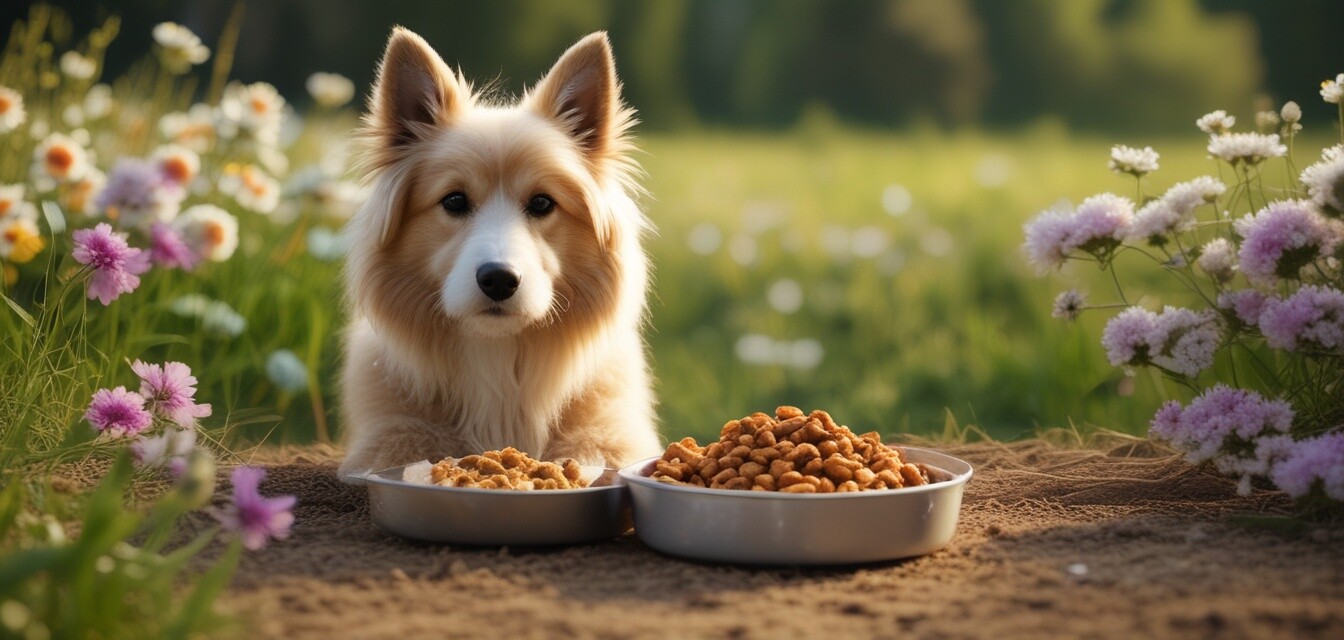
Feeding your dog: Transitioning between treats and meals
Key Takeaways
- Transitioning from regular to organic treats enhances your dog's nutrition.
- Gradual changes help maintain your dog's digestive balance.
- Monitor your dog's reactions during the transition phase.
- Choose high-quality organic treats that fit your dog's dietary needs.
- Consult with your vet for personalized advice.
Transitioning your dog from regular treats to organic options is an essential step toward ensuring better nutrition and overall health for your furry friend. Understanding the best practices for this transition can make the process smooth and effective.
Why switch to organic treats?
Organic treats offer numerous benefits compared to regular dog treats. Here are some reasons why you might consider making the switch:
- Made from natural ingredients
- No harmful chemicals or additives
- Higher nutritional value
- Better for the environment
Best practices for transitioning your dog
Transitioning requires a careful approach to maintain your dog's digestive health. Here are some steps to follow:
1. Gradual introduction
Rather than switching all at once, gradually introduce organic treats into your dog's diet. This allows their digestive system to adjust without shocking it.
2. Monitor portion sizes
Start by replacing a small portion of regular treats with the organic alternatives. For example, if you're giving your dog five treats a day, start with one organic treat.
3. Observe your dog’s reactions
Watch how your dog reacts to the new treats. Look for any signs of digestive discomfort or allergies, such as:
- Vomiting
- Diarrhea
- Itchy skin
4. Increase gradually
As your dog becomes accustomed to the organic treats, gradually increase the number. It typically takes about 7 to 10 days for a complete transition.
5. Quality matters
Not all organic dog treats are created equal. Ensure you choose high-quality options. Look for products that provide:
- Ingredients you recognize
- No fillers or processed items
- Clear sourcing statements
Additional tips for a successful transition
Tips for beginners
- Consult your veterinarian before making any significant dietary changes.
- Experiment with different organic treat flavors to find what your dog enjoys most.
- Consider including homemade organic treats as a fun and healthy option.
- Use smaller pieces of treats during training to maintain calorie levels.
- Be patient—transitioning can take time depending on your dog's sensitivity.
Summary
Transitioning your dog from regular treats to organic treats doesn't have to be a daunting task. By following the right practices and listening to your dog’s needs, you can help them enjoy the benefits of organic nutrition. For more insights on healthy feeding options, explore our Healthy Living Tips category.
Pros
- Improves nutritional value
- Better digestion and fewer allergies
- Supports sustainable agriculture
Cons
- May be more expensive than regular treats
- Some brands may not have strict organic certifications
Learn more about dog nutrition!
If you're interested in exploring more about your dog's nutritional needs, check out our guides on Grain-Free Dog Food, Hypoallergenic Dog Food, and Organic Puppy Food.
Final thoughts
Feeding your dog organic treats is a fantastic way to support their health while indulging them. By transitioning thoughtfully, you're setting your furry friend on a path to a happier and healthier life.