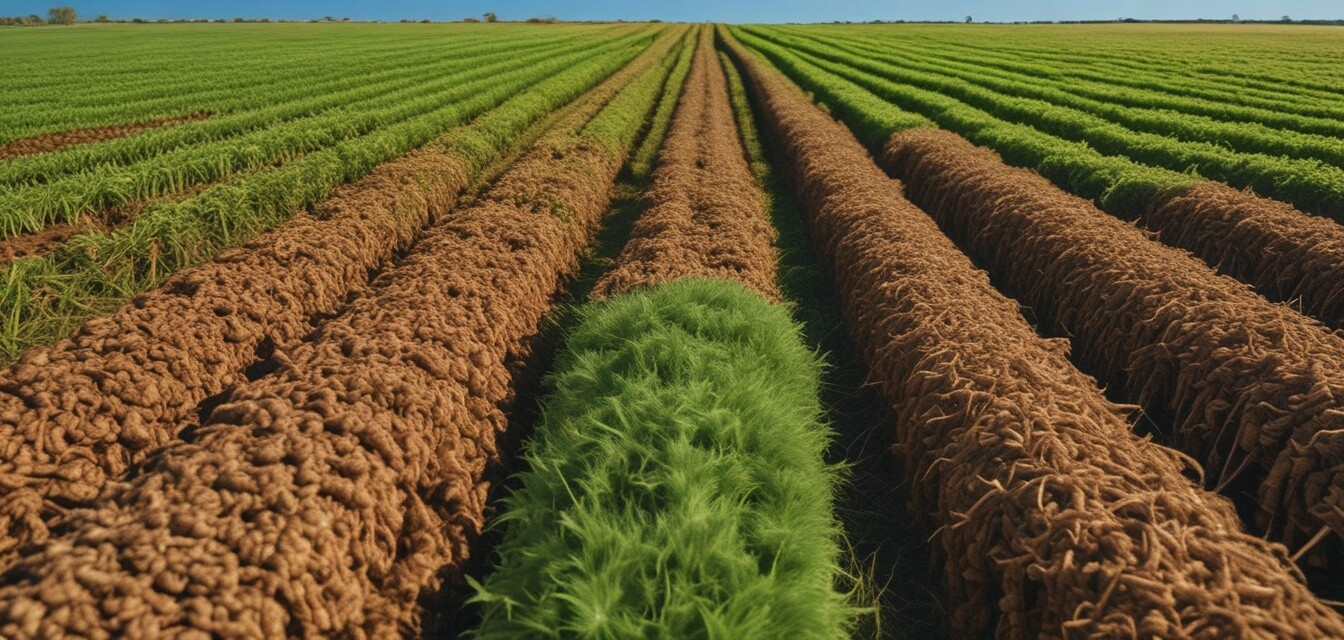
The Environmental Impact of Organic Dog Food
- Organic dog food promotes environmentally friendly farming practices.
- Choosing organic supports biodiversity and reduces pollution.
- Organic ingredients can contribute to happier, healthier pets.
- Consumer choices in dog food can influence sustainability in agriculture.
As pet owners, we cherish our furry companions and want the best for them. One of the most significant decisions we can make is what we feed them. In recent years, there has been a significant shift towards organic dog food, not only for the health benefits for our pets but also for its positive impact on the environment and sustainability. This article explores how choosing organic dog food can lead to a healthier planet.
Understanding Organic Farming
Organic farming is a method that promotes ecological balance and biodiversity. It avoids synthetic pesticides and fertilizers, relying instead on natural processes to grow crops. This practice significantly reduces the chemical runoff that can pollute waterways and harm social ecosystems.
Key Principles of Organic Farming
| Principle | Description |
|---|---|
| Soil Health | Focuses on maintaining the soil's natural nutrients and structure without chemical additives. |
| Biodiversity | Encourages a variety of plants and animals, which contributes to a balanced ecosystem. |
| Environmental Conservation | Aims to reduce pollution and conserve water and energy. |
Environmental Benefits of Organic Dog Food
Choosing organic dog food has far-reaching benefits that extend beyond just our pets. Here are some of the ways organic dog food positively impacts the environment:
- Reduces pollution: By avoiding synthetic fertilizers and pesticides, organic farming methods lessen chemical pollution.
- Conserves water: Organic farming typically uses less water than conventional methods.
- Supports biodiversity: Organic farms usually house a greater diversity of plants and animals, which strengthens local ecosystems.
How Your Choice Matters
Every time you choose organic dog food, you contribute to a more sustainable agricultural system. This choice supports farmers who practice organic farming methods, thereby promoting health not only for pets but also for the environment.
The Role of Sustainable Pet Food Production
The production of dog food has environmental implications at every stage, from sourcing ingredients to manufacturing processes. Organic dog food is often produced using sustainable practices that prioritize animal welfare and environmental health.
Reducing Carbon Footprint
Organic dog food companies often take extra measures to minimize their carbon footprint through local sourcing and using renewable energy during production. Here are some steps these companies take:
- Utilizing local farms to reduce transportation emissions.
- Implementing energy-efficient production processes.
- Reducing packaging waste with recyclable materials.
Supporting Local Economies
By purchasing organic dog food, pet owners can contribute to local farmers and reduce reliance on large-scale agriculture that may not prioritize sustainability. You can explore more about how specific choices affect the community in our blog section on healthy living tips.
Pros
- Supports eco-friendly practices.
- Less harmful chemicals in food production.
- Improves sustainability for the future of pet food.
Cons
- Can be more expensive than conventional options.
- Availability may be limited in some areas.
Making the Switch to Organic Dog Food
If you’re considering making the switch to organic dog food, here are some essential tips to help you transition smoothly:
Tips for Transitioning
- Start by mixing organic food with your dog's current food over several days.
- Monitor your dog's health and reaction to the new food.
- Consider consulting a veterinarian for advice on the best organic options available.
The Future of Organic Pet Food
As awareness of environmental issues grows, the demand for organic dog food continues to rise. The pet food industry is evolving, with many brands investing in sustainable practices that not only ensure quality for our pets but also protect our planet. For insights into the latest trends in organic dog food, be sure to check out our news and trends section.
In conclusion, organic dog food is not just a dietary choice for your pup; it’s a way to contribute positively to the environment. By supporting sustainable practices, you’re not only improving your pet's diet but also fostering a healthier planet. Make a difference today by choosing organic!