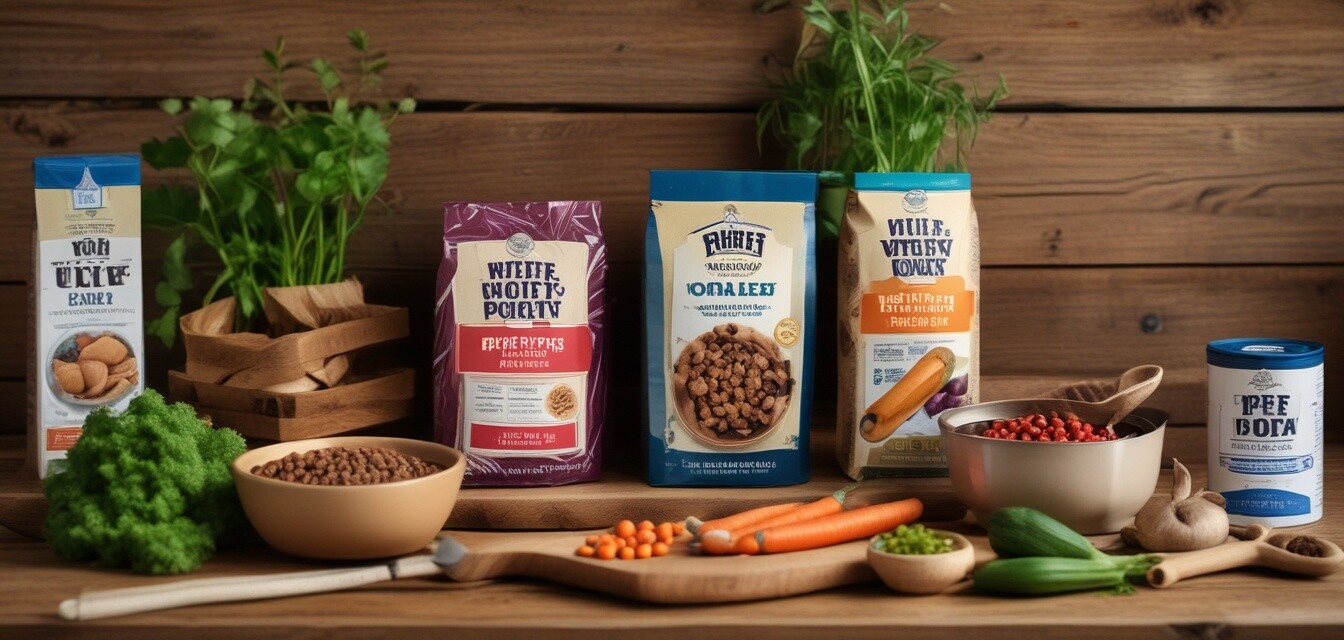
Exploring the Best Organic Dog Food Innovations
As pet owners become more aware of the benefits of a healthy diet, the organic dog food market is witnessing a wave of innovations aimed at enhancing your furry friend's nutrition. In this article, we will explore the latest trends and offerings in organic dog food, focusing on their potential benefits for your pets.
Key Takeaways
- Organic ingredients are becoming more accessible and diverse.
- Innovative processing methods preserve nutritional value.
- Ingredients are tailored for specific health needs.
- Sustainability plays a key role in new organic dog food products.
- Dog food innovation is guided by trends in pet health and nutrition.
Understanding organic dog food innovations
Organic dog food has evolved, moving from a niche product to mainstream availability. With a growing demand for transparency in ingredient sourcing and nutritional value, brands are continuously innovating to meet these expectations. Innovations not only focus on health benefits but also on catering to the individual needs of dogs, ensuring they receive optimal nutrition.
New ingredient trends
A significant innovation in organic dog food is the introduction of novel ingredients. Here are some of the latest trends:
| Ingredient | Description | Potential Benefits |
|---|---|---|
| Insect protein | Protein sourced from insects like crickets and mealworms. | High in protein, sustainable, and hypoallergenic. |
| Functional mushrooms | Mushrooms like reishi and chaga are being added for their properties. | Support immune health and overall wellness. |
| Superfoods | Plants rich in nutrients, such as quinoa and kale. | Boosts vitamins and antioxidants. |
| Seaweed | Rich in omega-3 fatty acids and fiber. | Supports skin and coat health, aids digestion. |
Innovative processing methods
Furthermore, the way organic dog food is processed has seen some revolutionary changes. Here are the innovative techniques that are making an impact:
- Cold-pressed technology: Retains nutrients and flavors better than traditional cooking.
- Air-drying methods: Results in less processing and preserves the ingredient integrity.
- Freshly prepared meals: Ready-to-serve organic meals provide convenience without sacrificing quality.
Sustainability factors in organic dog food
As the conversation surrounding environmental sustainability grows, pet food manufacturers are pivoting towards eco-friendly practices. The use of sustainably sourced ingredients is becoming a priority:
Pros
- Reduced carbon footprint from local ingredient sourcing.
- Better practices in farming and production.
- Heightened consumer awareness leads to informed purchasing.
Cons
- Higher costs for consumers.
- Limited availability depending on location.
- Potential for ingredient inconsistencies.
Specific dietary needs addressed
Brands are innovating to cater to specific health requirements by formulating dog food that meets unique dietary needs:
- Grain-free options for dogs with sensitivities.
- Weight management formulas to help prevent obesity.
- Specialized organic recipes for puppies and senior dogs.
The role of consumer feedback
Today's consumers are more vocal about their needs and preferences. Brands value customer feedback and adapt their products accordingly:
- Surveys and market research guide product development.
- Online reviews shape the perception and success of new offerings.
- Incorporation of customer suggestions leads to better products.
Conclusion
The landscape of organic dog food is rapidly evolving, driven by innovation and consumer demand for healthier, sustainable options. As new ingredients, processing methods, and customized diets emerge, pet owners have an exciting array of choices that prioritize their pet's nutrition.
To keep up with the latest in organic dog food, check out our articles on news and trends, or discover our in-depth buying guides for more insights.