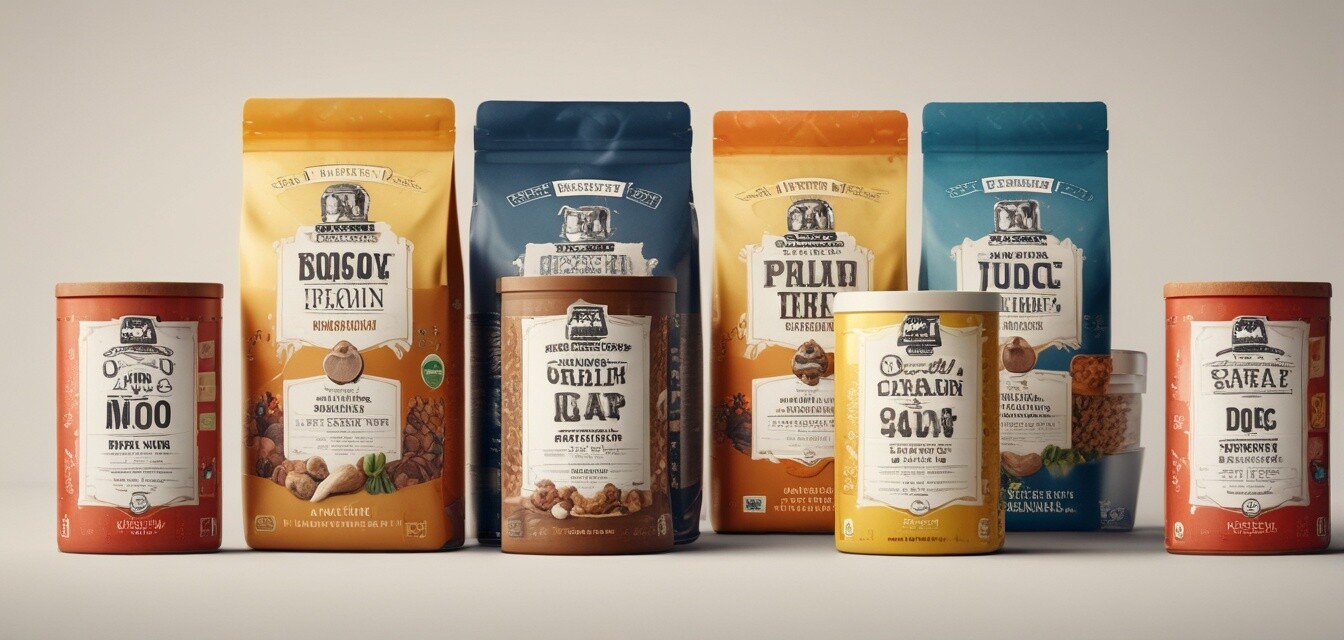
Exploring Organic Pet Food Certification Standards
Key Takeaways
- Understanding certification standards is crucial for making informed choices.
- There are various organizations involved in certifying organic pet foods.
- Organic certification ensures that pet food is made with organic ingredients.
- Consumer demand drives the need for transparency in the organic pet food industry.
- Finding reliable brands requires knowledge of the certifications they hold.
As organic pet food gains popularity among pet owners, understanding the certification standards becomes essential. In this article, we will explore what these certification standards mean for your pet's nutrition, how they are enforced, and why they matter for consumer choice.
What is Organic Pet Food?
Organic pet food is formulated using ingredients that are grown without synthetic fertilizers, pesticides, or genetically modified organisms (GMOs). These foods not only prioritize the health of our pets but also consider the environmental impacts of pet food production.
Importance of Certification
Certification serves as a guarantee to consumers that the products they buy follow specific guidelines related to organic farming and processing. Without these certifications, it would be challenging to verify the claims made by manufacturers.
Key Certification Organizations
Several organizations play a pivotal role in establishing and enforcing organic standards. Here are a few of the leading certifying bodies:
| Organization | Country | Overview |
|---|---|---|
| USDA (United States Department of Agriculture) | United States | Sets national standards for organic products and oversees the certification process. |
| CFIA (Canadian Food Inspection Agency) | Canada | Regulates organic production systems and manages the certification process in Canada. |
| ECOCERT | International | Works worldwide to provide organic certification and maintain high standards. |
| Australian Certified Organic | Australia | Offers certification to producers and aims to ensure organic integrity. |
How Certification Standards Work
Each certifying organization has established rigorous standards that producers must adhere to. The process typically includes:
- Application and documentation submission.
- On-site inspections and evaluations.
- Continuous monitoring and compliance checks.
- Renewal of certification at regular intervals.
The Impact of Consumer Demand
In recent years, consumer demand for transparency in pet food has surged. Pet owners are increasingly interested in knowing not only what goes into their pet's food but also how it is produced. This growing awareness has led to:
- Increased scrutiny of ingredient sourcing.
- Higher demand for certified organic options.
- Pressure on brands to maintain clear labeling practices.
Navigating the Market
Finding reliable organic pet food brands can be a daunting task. It’s essential to look for key indicators that a brand is genuinely committed to organic practices. Here are a few tips:
Tips for Choosing Organic Pet Food
- Check for certifications on packaging.
- Research brands that transparently share their sourcing practices.
- Consult reviews and guides on trusted websites.
- Choose companies with a commitment to sustainability.
Conclusion
Understanding the certification standards for organic pet food is crucial for making informed choices that impact your pet's health and well-being. With various organizations setting stringent guidelines and an increasing demand for transparency, being empowered with knowledge will ensure you choose the right products for your furry friends.
Explore More
For further insights into organic pet care, check out our related articles in our News and Trends section, or discover all-natural dog treats and grain-free dog food.
Pros
- Promotes sustainable farming practices.
- Ensures a higher quality of ingredients.
- Supports the health of pets and the environment.
Cons
- May be more expensive than conventional options.
- Availability can vary by region.
- Not all brands can meet organic certification standards.