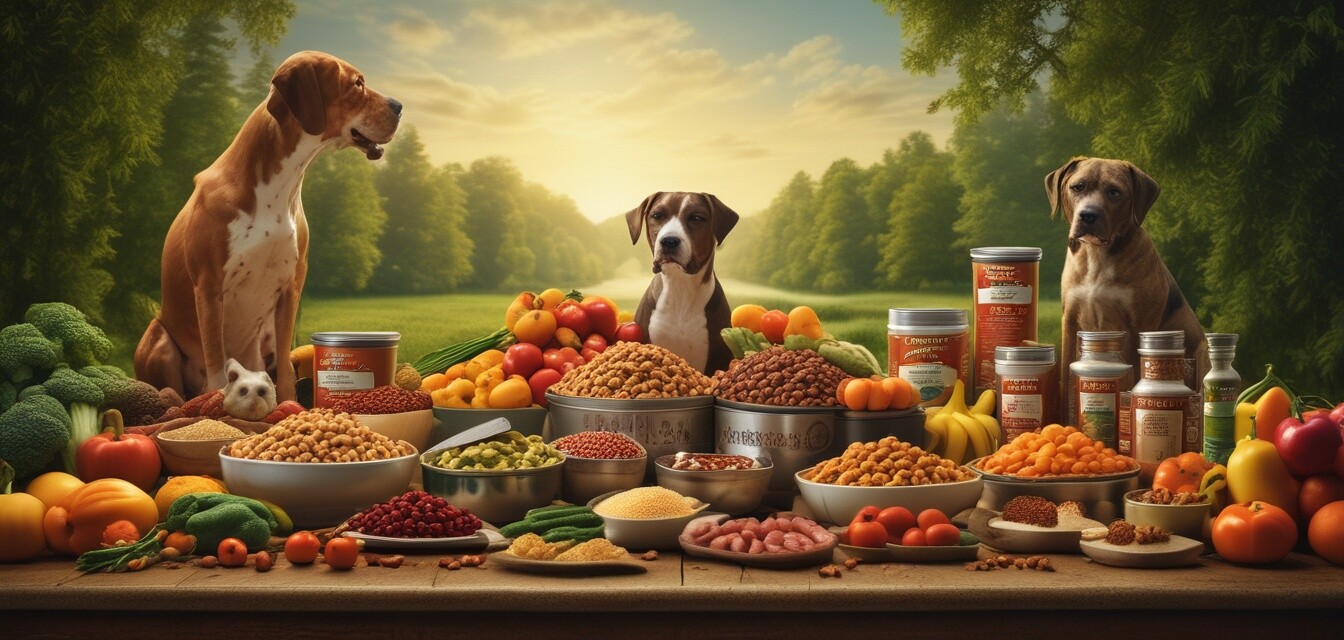
Future Trends in Organic Pet Nutrition
Key Takeaways
- Demand for organic ingredients is rising among pet owners.
- Sustainability is becoming a key focus for brands.
- Personalized nutrition plans are on the rise as pet owners seek tailored diets for their pets.
- Increased transparency in ingredients and sourcing will shape the market.
- Focus on health and wellness products is growing.
The pet food industry is constantly evolving, especially in the realm of organic pet nutrition. As 2025 approaches, there are several trends that every pet owner should be aware of. From a growing emphasis on sustainability to the rise of personalized nutrition, understanding these trends can help you make informed choices for your furry friends.
1. Rise of Organic Ingredients
More and more pet owners are opting for organic products for their pets. Factors like health concerns and environmental awareness are driving this trend. Many brands are using organic ingredients, which include:
- Organic meats
- Organic vegetables
- Organic grains
Consumers are increasingly looking for food options that are free from synthetic pesticides and fertilizers. This shift is pushing manufacturers to source organic materials and provide clear labeling.
2. Sustainability Takes Center Stage
As awareness around environmental issues continues to grow, sustainability has become a priority in the organic pet food market. Companies are exploring sustainable practices such as:
- Eco-friendly packaging
- Sourcing local ingredients
- Reducing carbon footprints in manufacturing processes
Pet owners are increasingly inclined to support brands that prioritize sustainability, which is expected to drive major changes in production practices.
3. Personalized Nutrition Plans
Every pet is unique, and their nutritional needs can vary significantly. In 2025, expect to see more brands offering tailored nutrition plans. These plans consider factors such as:
| Factor | Description |
|---|---|
| Age | Different life stages require different nutrient compositions. |
| Allergies | Customized diets can avoid allergens specific to the pet. |
| Health conditions | Pets with specific health issues may require specialized diets. |
Brands may even use technology, such as apps or DNA testing, to create individualized diets that cater specifically to each pet's needs.
4. Transparency in Sourcing and Ingredients
Today's consumers are demanding more transparency from brands regarding their ingredient sources. This trend involves:
- Clear labeling of all ingredients
- Information on sourcing practices
- Details about regulatory compliance
When shopping for organic pet food, it's important to choose brands that are open about their ingredient sourcing. For more insights on selecting quality pet food, check out our Buying Guides.
5. Focus on Health and Wellness
The trend in health and wellness is not just for humans; it's making its way into the pet food industry too. Consumers are increasingly looking for products that support overall health, including:
- Functional ingredients that promote skin and coat health
- Probiotics for digestive health
- Vitamins and minerals for overall wellbeing
Awareness about pet health is leading to increased research and development of organic dog food products that support a pet’s health. Explore more about healthy living for pets on our Healthy Living Tips.
Conclusion
As we move toward 2025, the organic pet nutrition landscape is bound to change significantly. By staying informed about the latest trends, pet owners can make better choices for their dogs, ensuring a healthy and sustainable diet. Whether you're considering switching to organic options or simply looking to stay informed, understanding these trends will set you on the right path.
Pros
- Higher quality ingredients
- Better for the environment
- Supports pet health and wellbeing
Cons
- Higher costs compared to conventional pet foods
- Limited availability in some areas
- Misleading labeling practices can exist