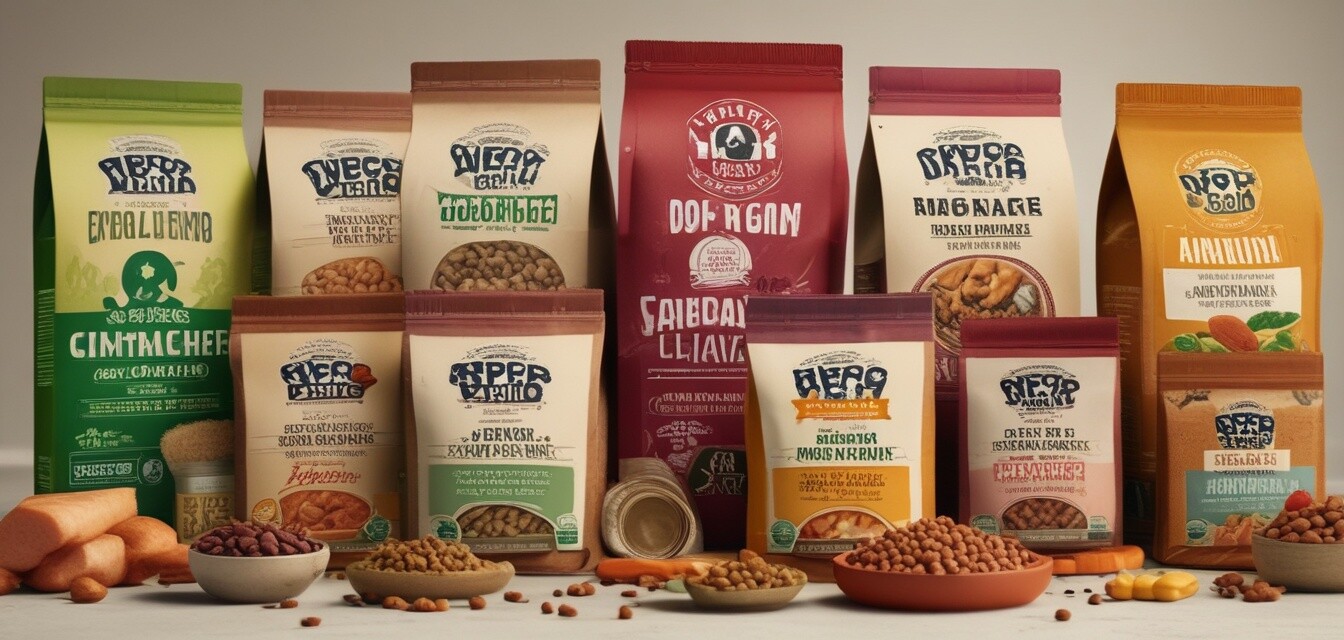
The Organic Movement in Pet Retail
Key Takeaways
- The organic pet food market is booming, driven by health-conscious pet owners.
- Transparency in ingredients and sourcing is crucial for consumers.
- Brands that innovate with organic formulations have a competitive edge.
- The trend toward sustainable packaging is becoming increasingly important.
- Education about organic dog food can lead to better purchasing decisions.
The organic movement is reshaping the landscape of pet retail as pet owners become increasingly aware of the health benefits associated with organic products. This shift has implications not only for the types of products that are available but also for consumer behavior and expectations. In this article, we explore how the organic movement is influencing pet retail and what it means for future purchases.
Understanding the Organic Movement
The organic movement began as a response to the industrialization of food production for humans and has expanded into the pet food industry. Pet parents are now seeking products that align with their values and mirror their own dietary preferences.
What is organic pet food?
Organic pet food is made from ingredients that are grown without the use of synthetic fertilizers, pesticides, or genetically modified organisms (GMOs). This movement emphasizes natural processes and sustainable agricultural practices.
Market Trends in Organic Pet Food
| Year | Market Size (in billion USD) | Growth Rate (%) |
|---|---|---|
| 2020 | 1.2 | 12 |
| 2021 | 1.5 | 14 |
| 2022 | 1.9 | 15 |
| 2023 | 2.3 | 18 |
As shown in the table above, the organic pet food market has seen consistent growth over the past few years. This trend reflects a growing awareness among pet owners about the importance of nutrition and wellness.
Factors Driving the Organic Trend
- Health Consciousness: Pet owners are increasingly concerned about the quality of food they feed their pets. The desire for healthier life choices extends to their furry companions.
- Ingredient Transparency: Shoppers want to know what goes into their pet's food. Brands that provide clear labeling and sourcing information have gained consumer trust.
- Environmental Impact: Sustainable farming practices appeal to eco-friendly consumers, influencing their purchasing decisions.
- Brand Loyalty: Companies that innovate with organic formulations tend to build strong connections with their customers.
Future Implications for Pets and Pet Retail
The organic movement is not just a passing trend; it has lasting implications for the pet retail landscape. Here are some aspects to consider:
- Expanded Product Lines: Retailers are likely to expand their offerings to include a wider variety of organic options, catering to diverse consumer needs.
- Focus on Quality Over Quantity: The emphasis will shift towards premium products rather than lower-cost alternatives.
- Sustainability Practices: Brands that incorporate sustainable packaging and practices will resonate well with environmentally conscious consumers. This can include using biodegradable materials and minimizing waste.
- Education on Nutrition: Eventual partnerships between pet retailers and educational organizations can help consumers make informed decisions when selecting products for their pets.
Pros
- Healthier options for pets
- Improved ingredient transparency
- Support for sustainable practices
- Higher consumer satisfaction
Cons
- Generally higher price points
- Limited availability in some regions
- Misleading labeling claims can exist
Comparing Organic to Non-Organic Pet Food
| Feature | Organic Pet Food | Non-Organic Pet Food |
|---|---|---|
| Ingredients | Grown without synthetic pesticides | May contain synthetic additives |
| Certifications | Meets organic standards | No specific certifications required |
| Price | Generally higher | Generally lower |
| Nutritional Value | Often richer in nutrients | Varies widely |
| Environmental Impact | Lower impact due to sustainable farming | Higher impact due to chemical usage |
The table above highlights key differences between organic and non-organic pet food, showcasing the benefits and considerations of each option.
Conclusion
The organic movement in pet retail is reshaping the pet food landscape as consumers demand healthier and more transparent options for their furry friends. With market growth promising to continue, pet retailers must adapt to these changes by embracing organic offerings and educating consumers about their benefits. To stay updated on what’s happening in the industry, explore our News and Trends section for the latest updates.
For more insights on how to choose the best products for your pets, check out our Buying Guides to make informed decisions.