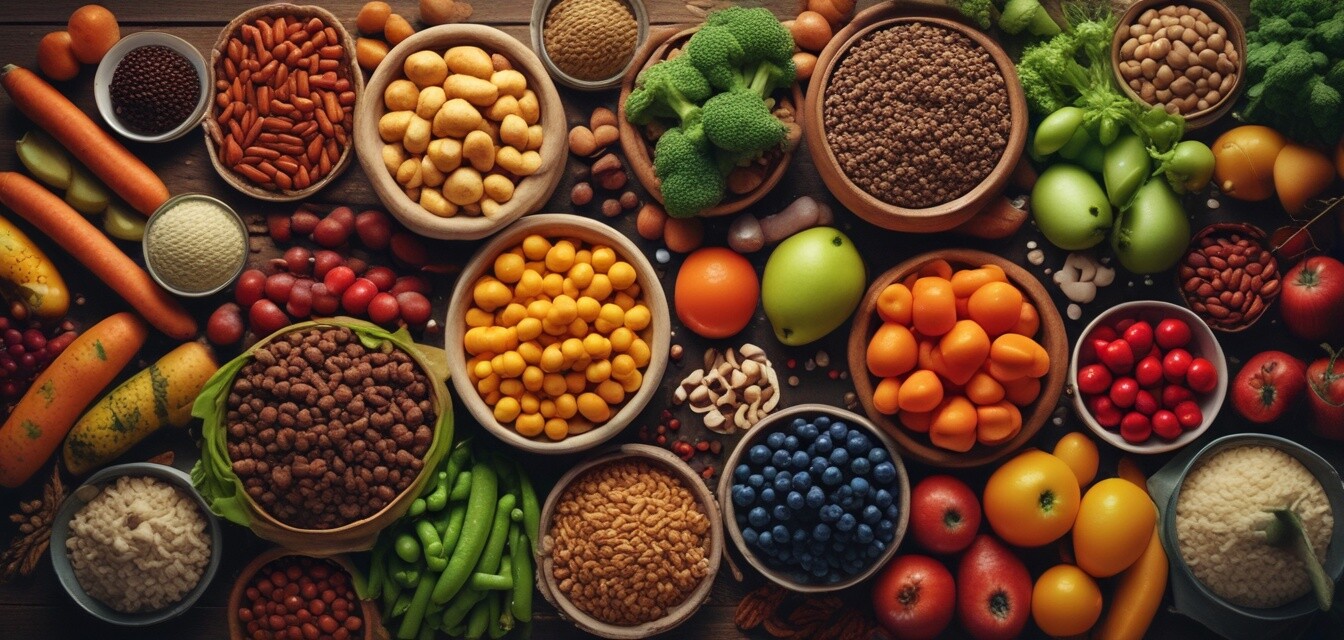
Pet Health Trends: The Shift Towards Organic Eating
Key Takeaways
- The organic pet food market is rapidly growing.
- Pet owners are increasingly concerned about ingredients.
- Organic diets can affect pet health positively.
- Transparency in sourcing has become vital.
- Trends indicate a move towards all-natural options.
The pet food industry is undergoing a significant transformation as more pet owners turn to organic eating habits for their canine companions. This article will delve into the factors driving this trend and what it may mean for the future of dog food.
The rise of organic pet food
In recent years, the demand for organic dog food has soared. This rise can be attributed to several factors:
- Increased awareness of pet nutrition.
- Growing concern over the ingredients in conventional dog food.
- A shift in consumer preferences towards natural products.
Why are pet owners choosing organic?
As pet parents become more educated on what goes into their dogs' food, they are opting for organic options that promise higher nutritional value and quality. Let's take a closer look at why this change is happening:
| Reason | Description |
|---|---|
| Ingredient Transparency | Organic dog food brands highlight their sourcing and manufacturing processes, allowing pet owners to make informed choices. |
| Health Concerns | Many owners prioritize health by avoiding artificial additives and fillers commonly found in non-organic dog foods. |
| Environmental Impact | Organic farming practices are designed to reduce ecological damage, making them appealing to environmentally conscious consumers. |
Trends in organic dog food market
The shift towards organic eating for pets is reshaping the dog food landscape. Here's what market analysis reveals:
- The organic pet food market is projected to witness a growth rate of 9.1% annually.
- Major brands are expanding their organic product lines to cater to changing consumer demands.
- Innovations in recipes including superfoods and nutritious ingredients are on the rise.
- Online retailers are increasingly prioritizing organic offerings, making it easier for consumers to find what they want.
Understanding organic labeling
Purchasing organic dog food comes with its own set of challenges, notably understanding organic certifications and labels. Here are some common terms to be aware of:
| Term | Description |
|---|---|
| 100% Organic | All ingredients in the product are organic. |
| Organic | At least 95% of ingredients are organic. |
| Made with Organic Ingredients | At least 70% of ingredients are organic. |
The future of dog nutrition
As we look towards the future of dog nutrition, the following trends will likely shape the industry:
- A continued push towards sustainably sourced ingredients.
- Greater emphasis on personalized nutrition that meets specific breed health needs.
- Increased regulation and scrutiny over labeling to ensure accuracy.
Conclusion
The shift towards organic eating is not just a fad; it represents a fundamental change in how pet owners approach nutrition for their dogs. By understanding these trends, consumers can make better choices that align with their values and their pets' needs.
Pros
- Higher quality ingredients promote better health.
- Reduced exposure to harmful chemicals.
- Supports sustainable practices in agriculture.
- Informed choices due to ingredient transparency.
Cons
- Generally higher price point compared to non-organic options.
- Not all brands are created equal; some may mislead consumers.
- Limited availability in stores may pose a challenge.
Explore more on Pawfect Nutrition
Stay updated with the latest news and trends in the organic dog food industry, and discover more amazing options in our all-natural dog treats and grain-free dog food.