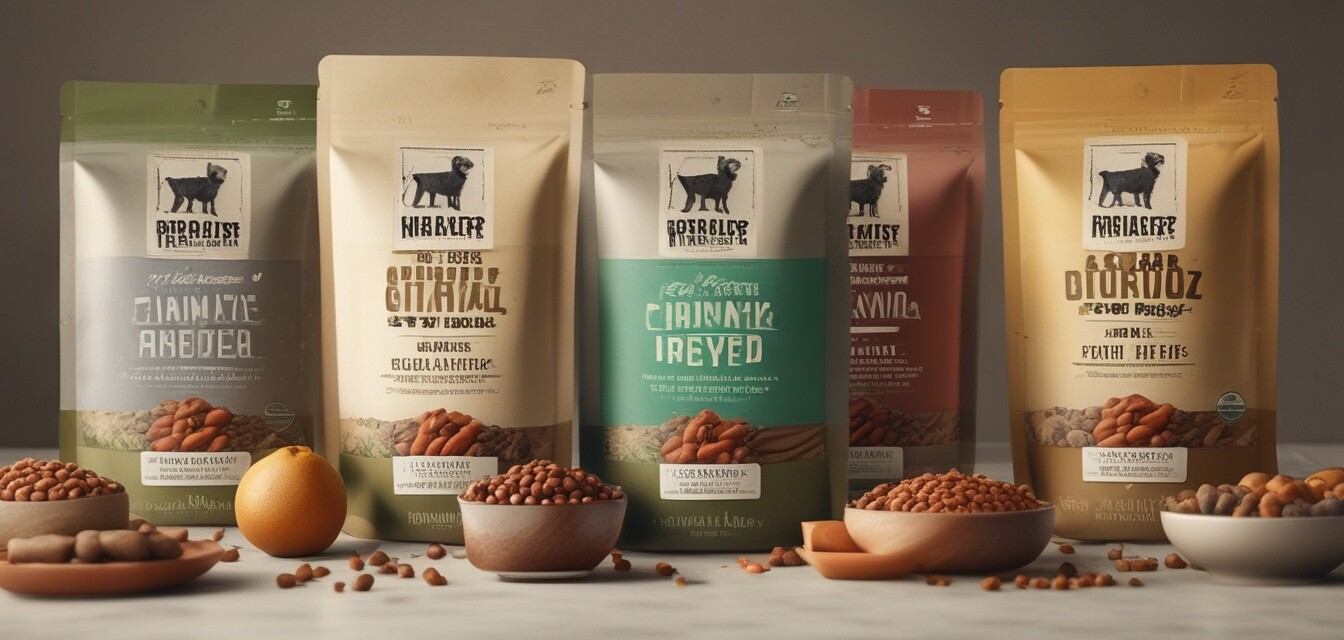
The rise of ethical branding in organic dog food
- The organic dog food market is increasingly embracing ethical branding.
- Transparency in ingredient sourcing is now a top priority for brands.
- Consumers are demanding sustainability and animal welfare considerations.
- Ethical branding can enhance customer loyalty and trust.
- Staying updated on trends is crucial for navigating the evolving market.
The organic dog food industry is witnessing a significant transformation driven by ethical branding. In an age where consumers are more informed and concerned about the implications of their purchases, pet food brands are adapting to fulfill these needs. Discover how ethical branding is reshaping the organic dog food landscape and why it matters to you and your furry friend.
The changing landscape of organic dog food
The pet food market, particularly organic dog food, has evolved dramatically over the years. No longer is it just about providing sustenance; it’s about doing so in a way that promotes ethical principles. A growing number of consumers are prioritizing brands that reflect their values, leading to a surge in ethical branding. Here are some key factors that have influenced this shift:
- Increased awareness of sustainability issues.
- Growing concerns regarding animal welfare.
- Demand for transparent ingredient sourcing.
- Desire for healthier options for pets.
The importance of transparency
Transparency is a cornerstone of ethical branding. Consumers today want to know where their dog food comes from and how it is made. Brands that successfully communicate their sourcing practices and ingredient quality often stand out in a crowded market. Here are several benefits of transparency:
- Builds trust: Open communication regarding ingredient sourcing fosters trust between a brand and its consumers.
- Enhances brand loyalty: When consumers feel confident in a brand's ethical practices, they are more likely to remain loyal.
- Attracts new customers: Transparency can be a deciding factor for consumers choosing between several brands.
- Encourages informed purchases: Clear labeling helps customers make educated decisions based on their preferences.
Consumer preferences and ethical branding
Research shows that consumers are not only interested in organic ingredients but also prioritize ethical practices. The following table highlights key consumer preferences influencing the organic dog food market:
| Consumer Preference | Importance Level (1-5) |
|---|---|
| Organic ingredients | 5 |
| Sustainable sourcing | 4 |
| Animal welfare | 5 |
| Brand transparency | 4 |
| Local sourcing | 3 |
Ethical branding strategies for success
Brands looking to navigate this trend must consider ethical branding strategies that resonate with consumers. Here are some effective methods:
Tips for implementing ethical branding
- Clearly communicate your ingredient sourcing and production processes.
- Engage with consumers through social media and encourage feedback.
- Implement eco-friendly packaging solutions.
- Support animal welfare initiatives and share your contributions.
- Use storytelling to connect with consumers on a personal level.
The future of organic dog food marketing
The rise of ethical branding is likely to continue shaping the future of the organic dog food market. As new trends emerge, staying informed is essential for both consumers and brands. Here are a few upcoming trends to watch:
- Increased focus on sustainability and eco-friendly practices.
- More brands adopting complete transparency in sourcing.
- Increased collaborations between brands and environmental charities.
- Emerging trends in alternative protein sources for dog food.
Conclusion
As the organic dog food industry embraces ethical branding, both consumers and brands have much to gain. By prioritizing transparency, sustainability, and animal welfare, brands can foster stronger connections with pet owners and build lasting trust. Staying updated on these trends is crucial for all stakeholders in this evolving landscape. For more insights, explore our News and Trends category or check out our All-Natural Dog Treats to see products that align with these values.
Pros
- Increased customer loyalty
- Positive brand perception
- Higher quality standards in production
- Attracts eco-conscious consumers
Cons
- Potentially higher costs for brands
- Challenges in sourcing sustainable ingredients
- Maintaining transparency requires effort