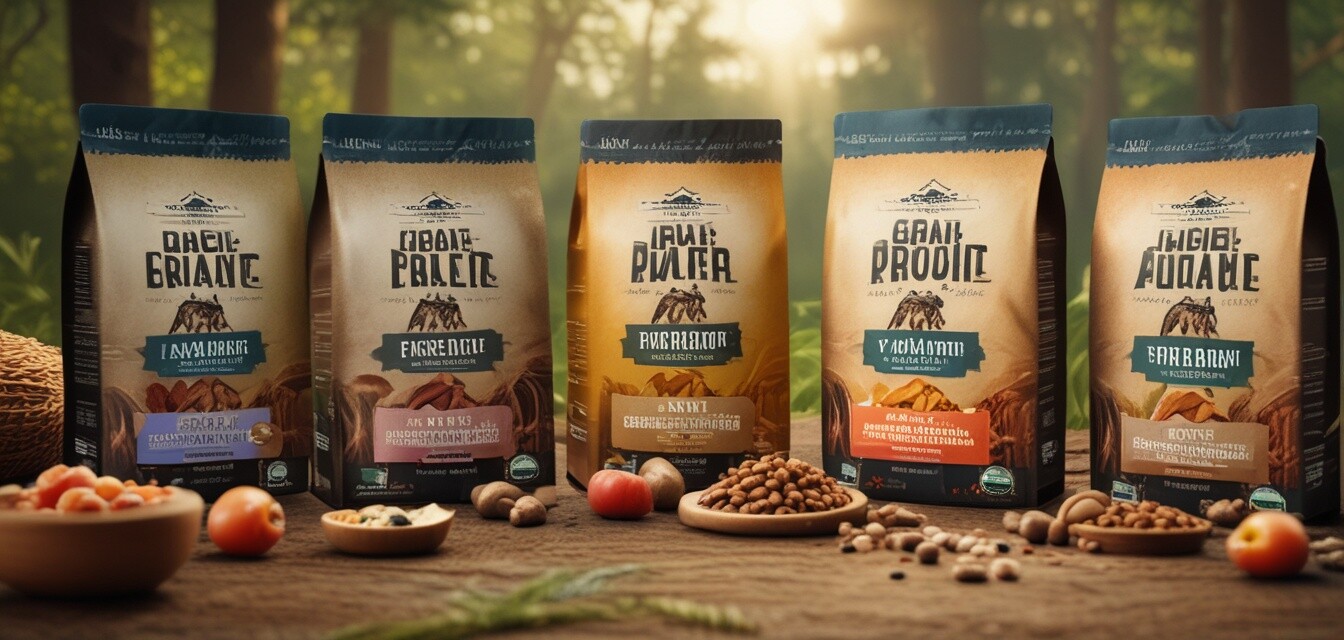
The Shift Toward Grain-Free Organic Dog Foods
Key Takeaways
- The demand for grain-free organic dog food is rising among pet parents.
- Many dog owners believe grain-free diets lead to better health for their pets.
- Understanding the difference between organic and non-organic ingredients is crucial for pet nutrition.
- Research shows that grain-free diets can have both pros and cons for dogs.
In recent years, there has been a notable shift in the dog food industry towards grain-free organic products. Pet parents are seeking more options that prioritize their furry friends' health and well-being. This article analyzes the growing trend of grain-free options in the organic dog food market and what it means for pet parents.
Understanding grain-free organic dog foods
Grain-free organic dog food is formulated without grains like wheat, corn, and soy. This type of diet often consists of high-quality proteins and carbohydrates derived from fruits and vegetables. The notion behind choosing grain-free options is to cater to dogs who may have sensitivities to grains or to provide them with a diet that closely mimics their ancestral eating habits.
The benefits of grain-free organic dog food
- Better digestion: Many pet owners report improvements in their dog's digestive health when switching to grain-free diets.
- Skin health: Some dogs with allergies may experience fewer skin irritations on a grain-free diet.
- Increased energy: Grain-free diets often contain highly digestible ingredients, which may enhance overall energy levels in dogs.
Pitfalls to consider
- Potential for nutritional imbalance: Not all grain-free diets provide the necessary nutrients, so careful selection is essential.
- Cost: Organic and grain-free products can be significantly more expensive than regular dog food options.
- Allergies: Some dogs might be allergic to proteins used in grain-free formulas instead of grains.
The popularity of grain-free organic options
The rise in pet ownership has led to a surge in the demand for premium dog food products. According to market research, the grain-free segment is expanding rapidly. Pet owners are placing a higher emphasis on the quality of ingredients and their pets' health. As a result, many companies are experimenting with organic ingredients to appeal to conscientious consumers.
| Ingredient Standard | Grain-free Dog Food | Traditional Dog Food |
|---|---|---|
| Ingredient Quality | Typically includes organic proteins and whole vegetables | Often contains by-products and fillers |
| Digestibility | High digestibility due to natural ingredients | Varies widely based on the brand |
| Price | Generally more expensive | Usually more affordable |
What pet parents are saying
Feedback from pet parents shows a clear divide in opinions regarding grain-free diets. Many say their pets thrive on such diets, feeling healthier and more energetic. Additionally, social media platforms are a hotbed for sharing positive testimonials and experiences related to grain-free organic dog foods.
Diverse opinions
Contrastingly, some pet owners voice concerns about long-term effects on their pets’ health. While many have had positive experiences, it's critical to ensure the specific diet balances the dog's nutritional needs.
Making informed decisions
For pet parents considering switching to grain-free organic dog food, it's essential to do thorough research. Understanding your dog's nutritional needs and reading product labels can help make the best choice. Resources like our Buying Guides will help you navigate through options.
Consulting with a veterinarian
Before making significant dietary changes, consult a veterinarian. They can offer guidance on what is best suited for your dog's health needs, especially if pre-existing health conditions exist.
Pros
- High-quality, nutritious ingredients.
- Potentially improved overall health for some dogs.
- Variety in diet promoting better palate preference.
Cons
- Higher cost compared to traditional dog food.
- Not every grain-free diet is nutritionally complete.
- Possible allergic reactions to alternative proteins.
Conclusion
The shift towards grain-free organic dog foods reflects a growing awareness among pet parents about what goes into their pets’ diets. As demand increases, ensuring transparency in ingredient quality and nutritional value becomes crucial. For more insights on organic dog food options, don’t miss exploring our content on Grain-Free Dog Food and Organic Puppy Food.