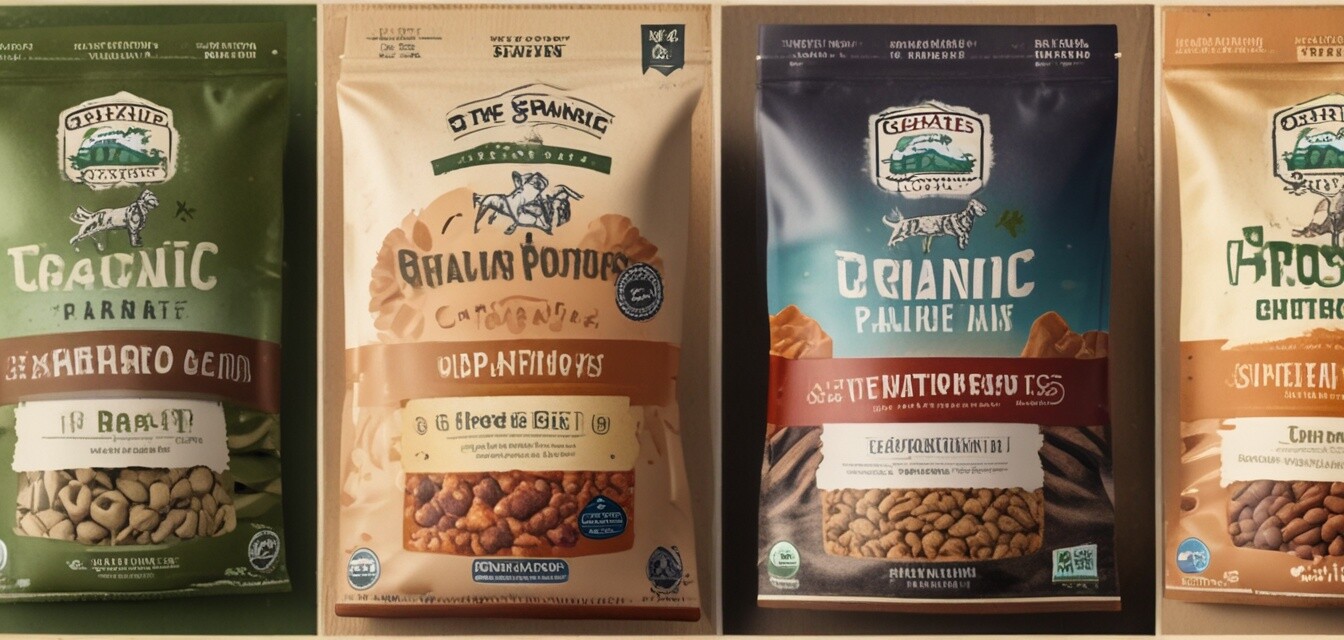
Trends in Sustainable Practices in Organic Dog Food
Key Takeaways
- Growing consumer demand for sustainable pet food.
- Emphasis on local sourcing of ingredients reduces carbon footprint.
- Innovations in packaging aim to minimize environmental impact.
- Recycling programs and sustainable farming practices are on the rise.
- Increased transparency in labeling to boost consumer trust.
The organic dog food industry is currently undergoing a significant transformation. As pet owners become more conscious of not only their own health but also that of their furry companions, the demand for sustainable practices in organic dog food production is skyrocketing. In this article, we will examine the trends that are shaping the future of organic dog food, focusing on sustainable practices, the influence of consumer preferences, and the industry's response.
What drives the demand for sustainable practices?
Several factors contribute to the increasing demand for sustainable practices in the organic dog food sector:
- Consumer Awareness: Pet owners are more informed about food sourcing and manufacturing processes.
- Environmental Concerns: Growing awareness of climate change and pollution is leading consumers to seek eco-friendly food options.
- Health Trends: The health of pets is linked to the quality of ingredients and sourcing practices, prompting demand for high-quality, sustainable food.
Key sustainable practices in organic dog food production
Sustainable practices in the organic dog food industry encompass various strategies aimed at reducing environmental impact while ensuring the welfare of pets. Here are some of the key practices currently gaining traction:
| Practice | Description | Impact |
|---|---|---|
| Local Sourcing | Using ingredients sourced from nearby farms | Reduces transportation emissions and supports local economies |
| Sustainable Farming | Employing methods that protect resources such as water and soil | Encourages biodiversity and reduces pesticide use |
| Eco-Friendly Packaging | Using biodegradable or recyclable materials | Minimizes waste and pollution |
| Transparency in Labeling | Providing clear information about ingredient sourcing | Builds trust with consumers and fosters informed decisions |
| Animal Welfare | Prioritizing humane treatment of farm animals | Ensures ethical sourcing of meat and other animal products |
Emerging trends in organic dog food sustainability
As the market for organic dog food continues to expand, here are some notable trends shaping sustainable practices:
- Plant-Based Options: More brands are introducing plant-forward dog food formulas, which require fewer resources to produce and can be rich in nutrients.
- Waste Reduction Programs: Manufacturers are implementing initiatives to reduce food waste during production, such as donating surplus food to shelters.
- Innovations in Ingredients: The exploration of alternative proteins, such as insects, is gaining attention for its minimal environmental footprint.
- Sustainability Certifications: Certifications like USDA Organic and Non-GMO Project verify sustainable practices and products, enhancing consumer confidence.
Consumer perspectives on sustainability
Understanding consumer perspectives on sustainability is crucial for brands aiming to cater to this growing market. Recent studies indicate that pet owners are willing to pay more for sustainably-produced dog food. This willingness stems from a belief that their choices directly impact their pets' health and the environment.
The impact of sustainability on brand loyalty
Brands that prioritize sustainable practices in their organic dog food production not only attract conscientious consumers but also foster brand loyalty. Transparency and commitment to ethical production methods help in building trust, encouraging repeat purchases, and generating word-of-mouth recommendations. Here are some ways sustainable practices can benefit brands:
- Positive Brand Reputation: Brands are more likely to be recommended by environmentally conscious consumers.
- Enhanced Customer Engagement: Companies implementing sustainable practices often engage customers through information sharing and storytelling, creating a community around their brand.
- Long-Term Growth: Sustainability can drive innovation, leading to new product lines and market opportunities.
Conclusion
The push for sustainable practices in organic dog food production is a reflection of changing consumer expectations and a broader commitment to environmental stewardship. As the industry evolves, brands that embrace these trends stand to not only enhance their market position but also contribute positively to the planet. For pet owners, this means a wider selection of high-quality, eco-friendly options available for their beloved companions.
Pros
- Improved environmental impact.
- Enhanced pet health with high-quality ingredients.
- Support for local economies and farmers.
Cons
- Potentially higher prices.
- Limited availability of certain products.
- Quality may vary among brands.
For more insights into the changing landscape of organic dog food, consider checking out our guide on Buying Guides, or learn about the latest trends in News and Trends.